|
I know this will sound needling but it’s not, but have you ever been truly poor? By that I mean, have you been in a situation where you don’t know where your next meal is going to come from and you have no belief that anything in the future is likely to change such that that you would have confidence about where your next meal will come from? I will freely admit my bias: I have been very poor before and I lean towards protections for the most vulnerable in our society at the expense that some people will have to sacrifice somewhat between Uber and their other gig. |
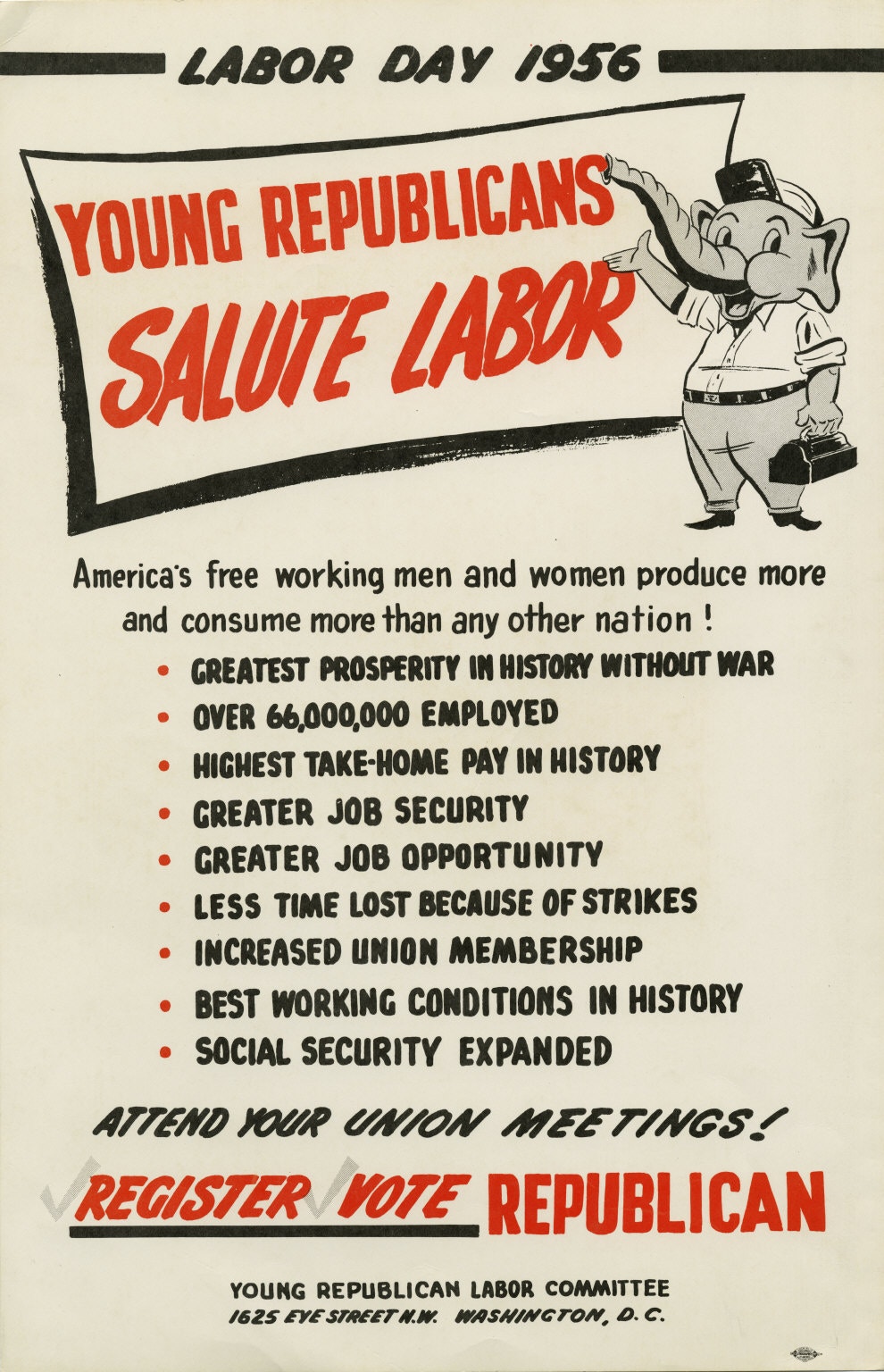
However, I think that trying to place market restrictions on two parties making an agreement is not the right way to go about it.
If we had a stronger social safety net (either something like a UBI, or some other form of economic assistance), we wouldn’t need to try to manipulate the market with blunt restrictions on trade.
There are a LOT of things a market economy is bad at, or simply won’t address... externalities, extreme poverty, taking care of people who don’t produce something that the market will pay for, etc.
Attempting to force a market to address these issues by passing blunt laws is extremely inefficient. If we want to support poor people (which I want to do), we should tax everyone and pay to support them. Then we can let the market do it’s thing and set prices and wages and contracts without having to guess at what policies will force the market to fix the issue we see (without also causing unintended consequences like we see here)