| The problem is fairly simple. The actual output of society is produced by a relatively small minority of skilled individuals that are not easily replicable (ie fungibility is largely a myth). We need those people to work a full week operating the machines that actually make all the output we all consume. But why should they do that if nobody else is working? They could just make enough for the small set of people that are actually required to make enough stuff and stop work on Tuesday - having the rest of the week off. So we all give up full weeks of our finite lives in solidarity with those who we need to give up full weeks of their finite lives if we're actually going to get the goods and services we need to live. And that's because we're a species that tallies our debts with each other - the reciprocity principle (https://www.en.uni-muenchen.de/news/newsarchiv/2016/paulus_s...) Or to put it in other words, sharing out the needed work is rather more difficult in practice than it is in theory where fungibility is largely assumed. And the more advanced our technology, the harder the sharing becomes and the more difficult it is to maintain the illusion of sufficient reciprocity. |
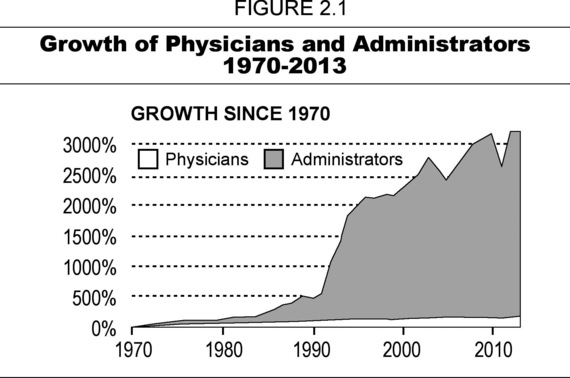
This speaks personally to me as why tech workers (and multi-generation urbanites) are seen as widely disconnected: being persuaded a small number of people "create value" while forgetting about the people building your stuff, growing your food, extracting your oil (and killing the planet in the process), moving your stuff around, nursing people, building your house, installing your AC, shipping your amazon packages, and all the other ultra-necessary jobs (that are usually underpaid) that I don't even realise exist.
Without the drivers, Uber does not exist. Without Foxconn and its army of underpaid labor, Apple does not exist. It's not a small number of people creating value, it's a small number of people capturing all that value thanks to shitty wages and work conditions for everyone else.
We can all pretend "automation" will replace people, but it's obvious the complexities of those tasks will always mostly done by humans.