|
|
|
|
|
|
by snrplfth
3554 days ago
|
|
|
The point is that comparative advantage is discovered in the market. I may think that I'm the best at painting houses - and I may be better than most! - but in striving for the best gains I can, I may find that my comparative advantage in doing something else, something I'm more expert in, is greater. To wit, "what is the best use of my limited time?" An advantage can come out of any number of things - climate, location relative to a trade route, particular local demands or preferences, or just happenstance. As you note, comparative advantage is not just about whole countries, but also about regions, companies, and individuals - so that it's not just about an "area of earth" but about the variety of things that happen in each place. Comparative advantage is an argument that trade makes people (regions, cities, etc.) better off even if they have nothing they are the best at. |
|
|
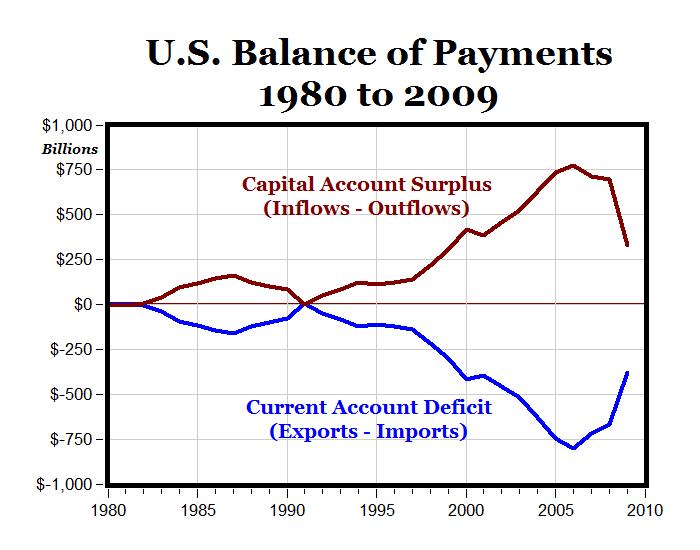

And if you say "but the perfect market wouldn't have any subsidies or aids" then you are living in a fantasy world made up by economists! They don't even have to subsidise, all they need to do is make it slightly easier for house painters to do their work there than anywhere else in the World, by easing legislation and lowering taxes. They will outcompete you just by following less laws and regulations and paying less tax. Because everyone ever has agreed that laws and tax should exist, you need to explain how "perfect" markets will ever exist. Again, look into China and it's the exact same thing. They don't need subsidies, they create Special Economic Zones.
Anyway the idea that markets exist separate from governments is a fiction made up by economists. See "Debt the first 5000 years" on a description of how anthropologists have found that actually, the most common origin of a market is government intervention.