|
|
|
|
|
|
by sprafa
3554 days ago
|
|
|
Markets and governments are necessarily linked. So even though you might "think" you are no good at painting houses, because you can't compete with foreign labor, actually what's happening is that their government has figured there is a huge multiplier for them to capture all the house painting work in your country, and therefore, they subsidise and protect their own house painters and help them in any they can. So that they can eventually force you out of the market. See China on consumer electronics, solar panels, etc. And if you say "but the perfect market wouldn't have any subsidies or aids" then you are living in a fantasy world made up by economists! They don't even have to subsidise, all they need to do is make it slightly easier for house painters to do their work there than anywhere else in the World, by easing legislation and lowering taxes. They will outcompete you just by following less laws and regulations and paying less tax. Because everyone ever has agreed that laws and tax should exist, you need to explain how "perfect" markets will ever exist. Again, look into China and it's the exact same thing. They don't need subsidies, they create Special Economic Zones. Anyway the idea that markets exist separate from governments is a fiction made up by economists. See "Debt the first 5000 years" on a description of how anthropologists have found that actually, the most common origin of a market is government intervention. |
|
|
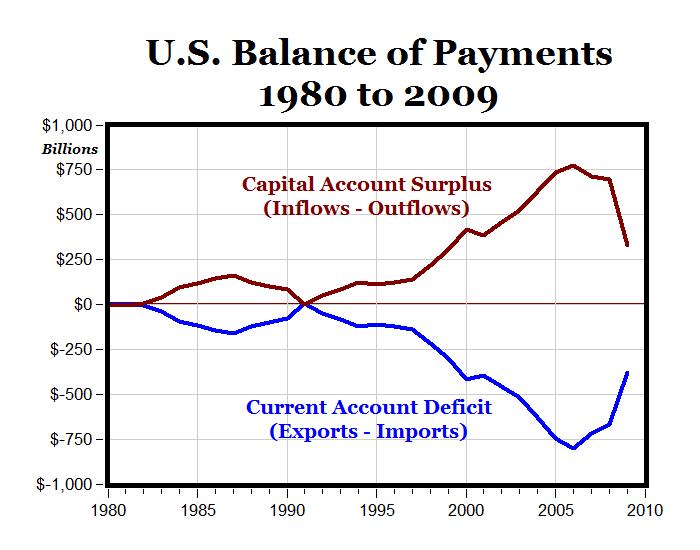

I don't think most economists have ever argued that markets exist outside frameworks of property rights and rules of trade. And while these things have often been laid out by governments, it does not necessarily mean that they always are, or always must be (where we take "government" to signify a usually-geographically-bounded entity with the monopoly of force.) Just the same, money has often been issued by governments, but does not necessarily mean that only governments can issue or create money. Markets exist wherever trade exists, and are shaped by governments - sometimes well, sometimes badly, and always within certain constraints of reality.
As pertains to the supposed advantage of government support of industry - take a closer look at China. The most dynamic sectors of the economy there - in assembly and manufacturing - have been the least directly subsidized and encouraged. The big State Owned Enterprises, in steel, concrete, and other heavy industry insulated from competition, are the most saddled with debt and are not innovative and dynamic. The main effect of their subsidy to these industries is philanthropize everybody's consumption of their products. Sucks for the Chinese taxpayer, but everyone else gets cut-price goods. And you'll note that, even after getting "pseudo-monopolies" on various economic sectors, prices in those sectors have kept falling. The "drive-out-competitors-then-raise-prices" drama never seems to appear - and it's no surprise, because these companies are competing with each other.