Hacker News new | ask | show | jobs
by japoco 806 days ago
I was pretty intrigued by Aphantasia a while ago, as I can’t picture anything at all with my eyes closed. Then I asked all my friends and none of them could either, apparently. So I’m wondering what “picturing” means in the definition of aphantasia? With my eyes closed all I see is pitch black, but I can “imagine” myself seeing a red apple even with my eyes open, I don’t actually see anything though.
8 comments

Consider another sense, like hearing. Many people experience "earworms" where a song gets stuck in their head and plays repeatedly. They know it's not actually playing since there's no "external" sound but they can hear it "internally".

"Picturing" something in your head is the same, just with the sense of vision instead of the sense of hearing.

Actually seeing with your eyes would (I think) be a form of synesthesia. Being able to imagine a red apple is "normal". Not being able to imagine a red apple is aphantasia ("imagine" in the sense of a "visual" imagination, not in the sense of being able to conjecture the existence of an apple with particular qualities).
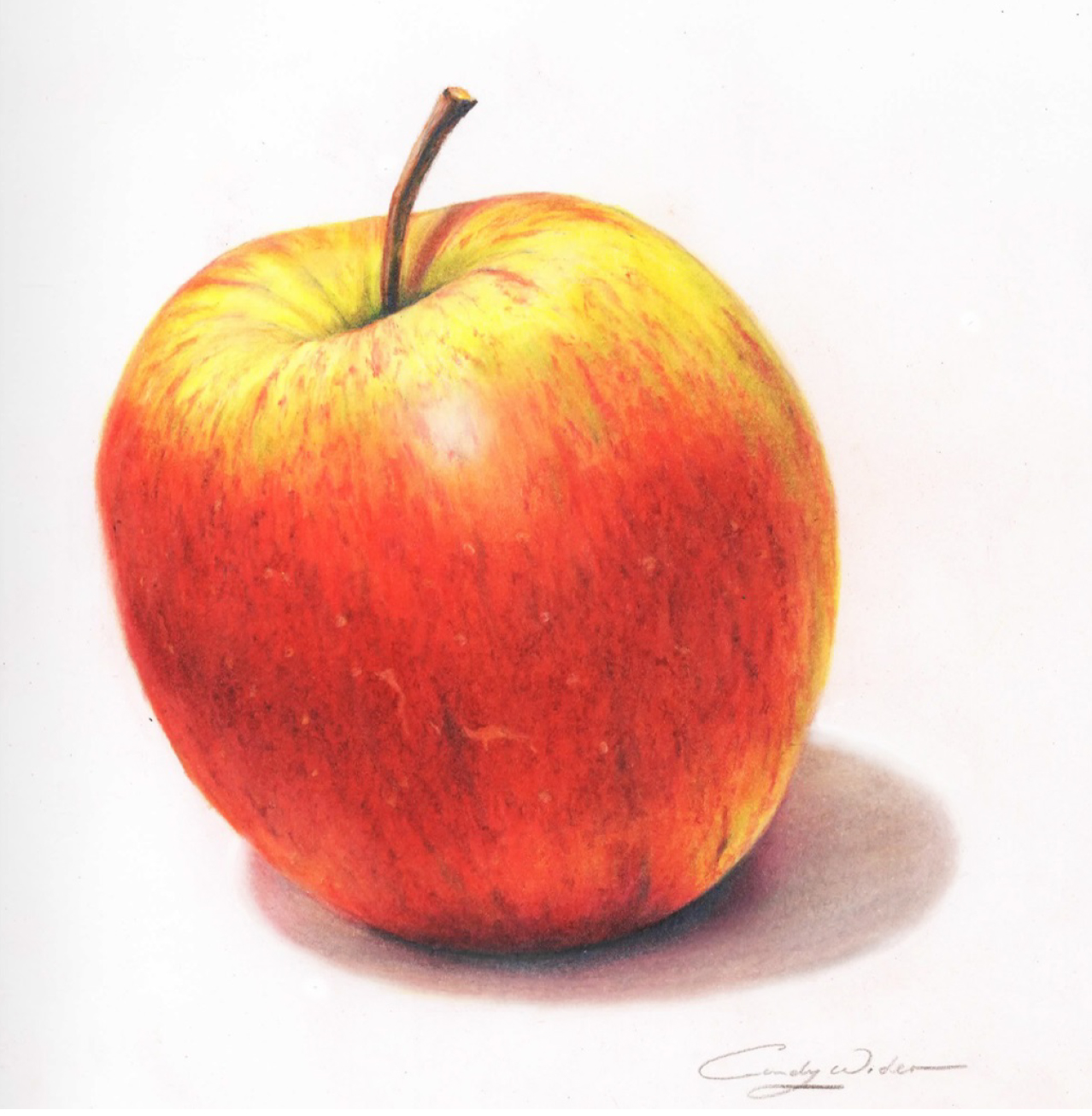
Does it follow that people with aphantasia (edit: "aphantasics", per the article) would be unable to draw a realistic-looking apple from scratch? If not, then how do scientists show someone has aphantasia? Is it falsifiable?
Prof Joel Pearson has developed three distinct objective tests to measure aphantasia. Here is a talk about it: https://youtu.be/tA_4HNaKsS0
Interesting, thanks. I'll have to watch it when I find the chance.
In addition to the other replies: No, aphantastics (nice word!) aren't unable to do it, much like almost anyone can become amateur-level competent at almost anything if they put in enough effort.

But it's a matter of talent, and you're missing a big component. That can be made up for in other ways, though I think it'd be hard to reach the peak.

Not at all - you can still see the paper and know what an apple is supposed to look like. Describing a face or drawing a scene from memory is very hard though.
That doesn't really make sense to me. What does it mean to "know what an apple looks like" without being unable to imagine it? How would that be any different from knowing what a face looks like without being able to imagine it? Do note I said realistic apple [1], not just a cartoonish drawing, so I don't just mean "a squished circle"...

[1] Example: https://drawpj.com/wp-content/uploads/2018/05/hyperrealistic...

Why would I have to visualize to know whether or not something is an apple? I can recognize one on sight without having to match it up with a visualization in my head, so I can start from the right shape and add details until it becomes an apple. No visualization required at all. Obviously it's quicker and easier to use a model or reference picture, but not required.
I guess I don't see how that's be different from drawing a face? Start with the right shape an add details until it becomes a face?
I don't think you have it if you can imagine something.

I don't think it's meant to be in that dark space / visual eye space.

It's definitely not a black and white thing but a (flexible) scale: a noticeable variation of intensity can be felt when practicing an activity demanding an intense visual focus on a specific object (e.g. painting): an stronger-than-usual visual image can be recalled effortlessly, at least during a few days.
I don't think it has anything to do with your eyes being open/closed, or even to do with your eyes at all, unless it's describing something different to what I assume. It's about mental images and visualization, not your field of vision itself.
The problem is asking people to close their eyes. Most visualizers don't need to close their eyes to visualize, and many state that they can visualize even better with them open. Everyone sees some form of black/Eigengrau when they close their eyes.
ask this questionnaire to a range of people, including some visual artists / designers:

close your eyes, think of a family member, who is it, where are they, what are they wearing, can you see details about the clothing, can you see details in the background, is there motion, if you open your eyes can you still see it

there will be some very strong yeses in there if you sample people in visual professions

Even designers who can visualize report different representations and experiences: https://aphantasia.com/article/strategies/visualizing-the-in...
Then you don't have Aphantasia. Very few people are claiming they literally see things, they can just conjure up a mental model of something by thinking about it. The weirdness is that some people (those with Aphantasia) are claiming that they can't even do that...