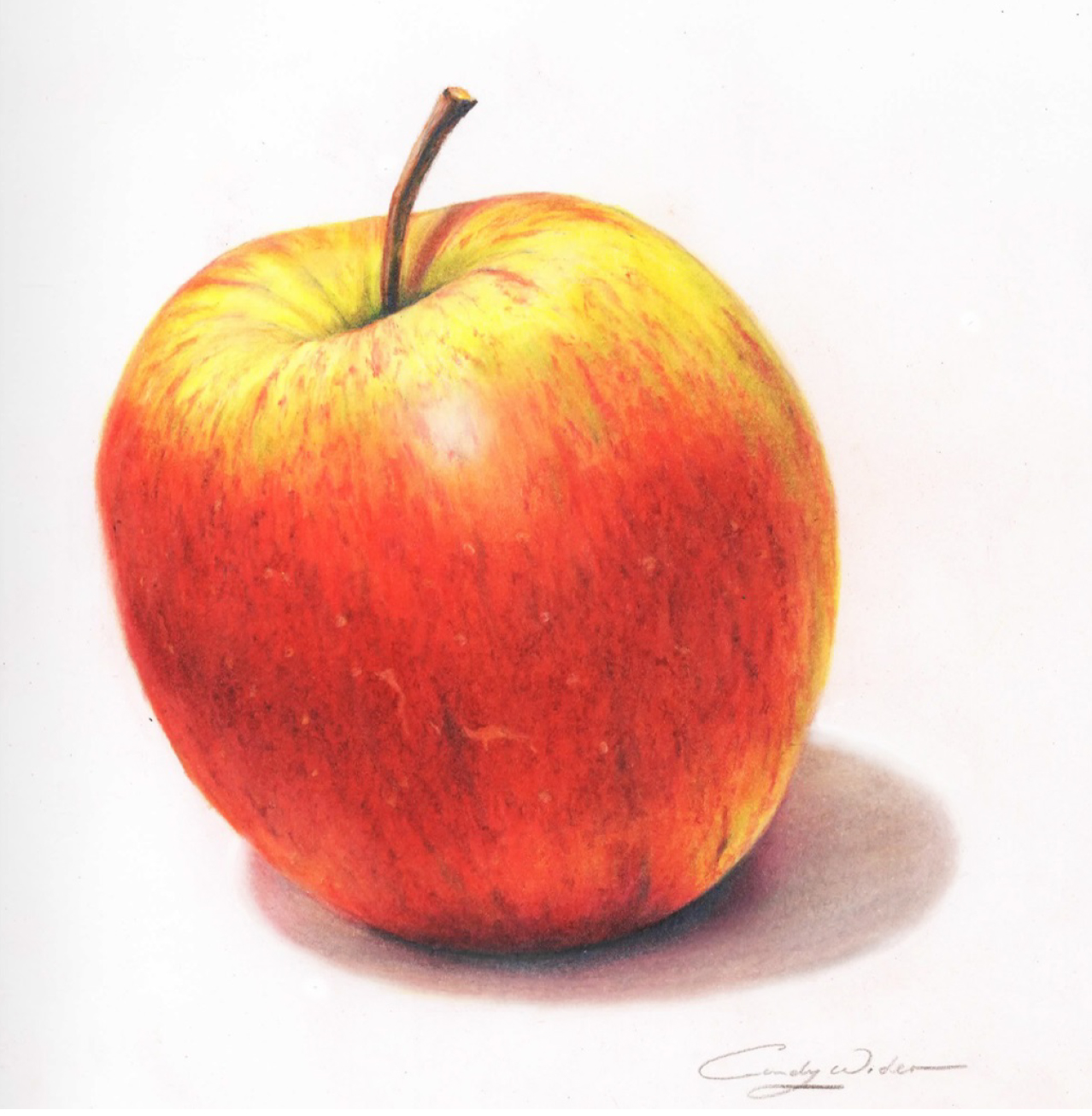
Does it follow that people with aphantasia (edit: "aphantasics", per the article) would be unable to draw a realistic-looking apple from scratch? If not, then how do scientists show someone has aphantasia? Is it falsifiable?
In addition to the other replies: No, aphantastics (nice word!) aren't unable to do it, much like almost anyone can become amateur-level competent at almost anything if they put in enough effort.
But it's a matter of talent, and you're missing a big component. That can be made up for in other ways, though I think it'd be hard to reach the peak.
Not at all - you can still see the paper and know what an apple is supposed to look like. Describing a face or drawing a scene from memory is very hard though.
That doesn't really make sense to me. What does it mean to "know what an apple looks like" without being unable to imagine it? How would that be any different from knowing what a face looks like without being able to imagine it? Do note I said realistic apple [1], not just a cartoonish drawing, so I don't just mean "a squished circle"...
Why would I have to visualize to know whether or not something is an apple? I can recognize one on sight without having to match it up with a visualization in my head, so I can start from the right shape and add details until it becomes an apple. No visualization required at all. Obviously it's quicker and easier to use a model or reference picture, but not required.
I can draw a generic face, but not a specific one unless I have a model or picture. If I had to give a description of someone, even family members or close friends, I would be hopeless other than very basic things like relative height, hair and skin color.