Hacker News new | ask | show | jobs
by dataflow 809 days ago
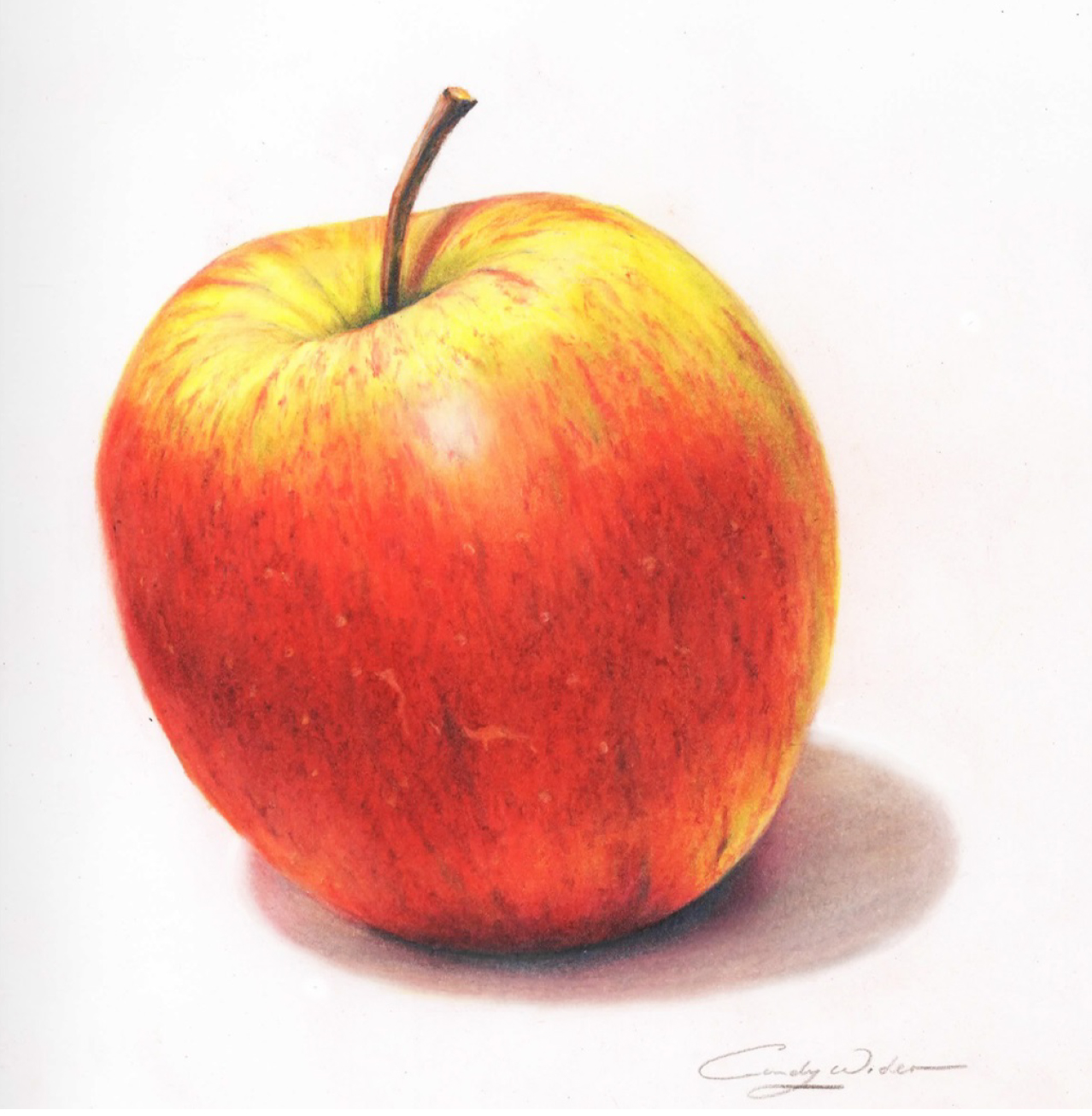
That doesn't really make sense to me. What does it mean to "know what an apple looks like" without being unable to imagine it? How would that be any different from knowing what a face looks like without being able to imagine it? Do note I said realistic apple [1], not just a cartoonish drawing, so I don't just mean "a squished circle"...

[1] Example: https://drawpj.com/wp-content/uploads/2018/05/hyperrealistic...

1 comments

Why would I have to visualize to know whether or not something is an apple? I can recognize one on sight without having to match it up with a visualization in my head, so I can start from the right shape and add details until it becomes an apple. No visualization required at all. Obviously it's quicker and easier to use a model or reference picture, but not required.
I guess I don't see how that's be different from drawing a face? Start with the right shape an add details until it becomes a face?
I can draw a generic face, but not a specific one unless I have a model or picture. If I had to give a description of someone, even family members or close friends, I would be hopeless other than very basic things like relative height, hair and skin color.
Aphantasia and face blindness are correlated it seems like.
In my experience with aphantasia, I struggle with the ability to describe people based on their physical attributes (my parents for example) but I think it's distinct from face blindness. I can easily recognize people that I know purely based on their faces, but I don't believe that people with face blindness could. I just can't visualize what they look like mentally.
That's so fascinating, thanks. Does aphantasia give you any trouble in your daily life? Or does it end up being a non-issue?
It's a non-issue. I never even realized that it was a thing until I several years ago I was listening to a podcast that involved discussing mental monologues and imagery and thinking "WTF are these people talking about?!", and then doing some research. I had previously always understood things like "mind's eye" and inner voice/conscience as metaphors or some kind of mystical superstition.
Same here. I never realized until I read an article about it well in my fourties. I read the late Wittgenstein when I was twenty, and I also thought that thing with "the meaning of a dog is a mental image of a dog" was a metaphor. He quotes this somewhere to criticize it iirc.
> I was listening to a podcast that involved discussing mental monologues and imagery and thinking "WTF are these people talking about?!"

But you claim to not have an inner voice?

Boys, I think we've got one.