| – We collaborate inside proprietary environments Why is that? Why have users chosen those environments? Assume they are rational beings, and get at the heart of it. Ask: "How can we address the actual user needs while supporting our goals?" – Many Linux and FOSS geeks today use Linux only professionally Same answer as above. – We're not modeling our values WHY? (Hint: "the use of nonfree" is not, and has never been a primary human motivator even for many people who "get it".) etctera. Finally, regarding the below... only one of these, the first, even tangentially touches on the user experience. There's an implied expectation of so much FOSS advocacy which reduces to "by writing and using our software, you will be wearing a hairshirt for the cause". This mindset is guaranteed to fail in front of users, who are by and large "non-believers". "Having real-time chat is absolutely essential to the advancement of free software."
"We're the resistance now." "We need to create mass movement."
"Volunteer to write free and open code, to participate in communities."
"If you didn't live the history, learn from those who did."
"If you did learn from history, teach those who need to know it. Respectfully."
"Be patient. Remember that the tortoise won not only because it was patient, but because it ignored insult, ridicule and dismissal."
"Model your values. Use free software and hardware."
"Remember always how 'the rights to copy, share, modify, redistribute and improve software' are fundamental rights that matter to people."
"Work to convince developers that their software freedom matters."
|
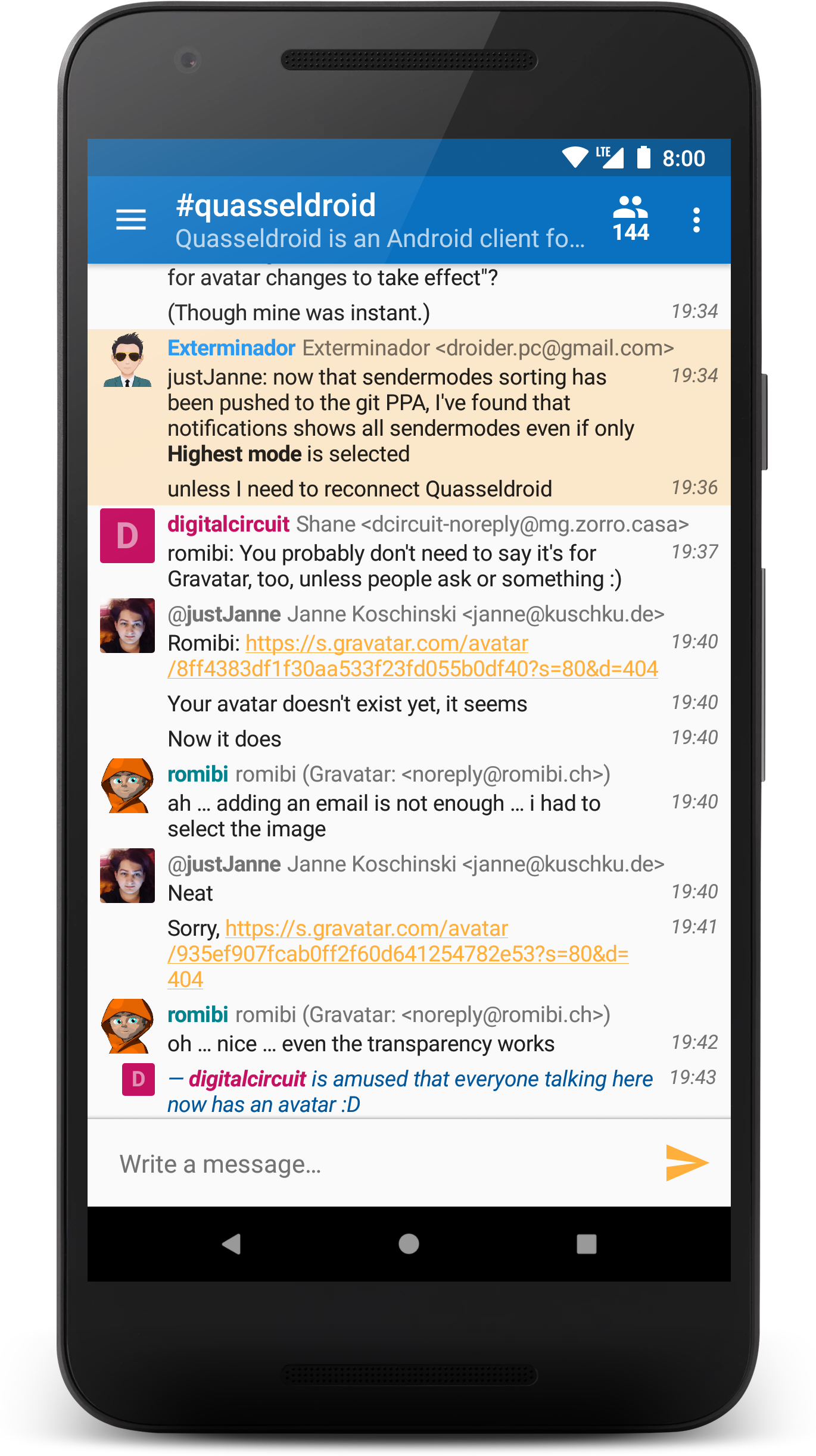
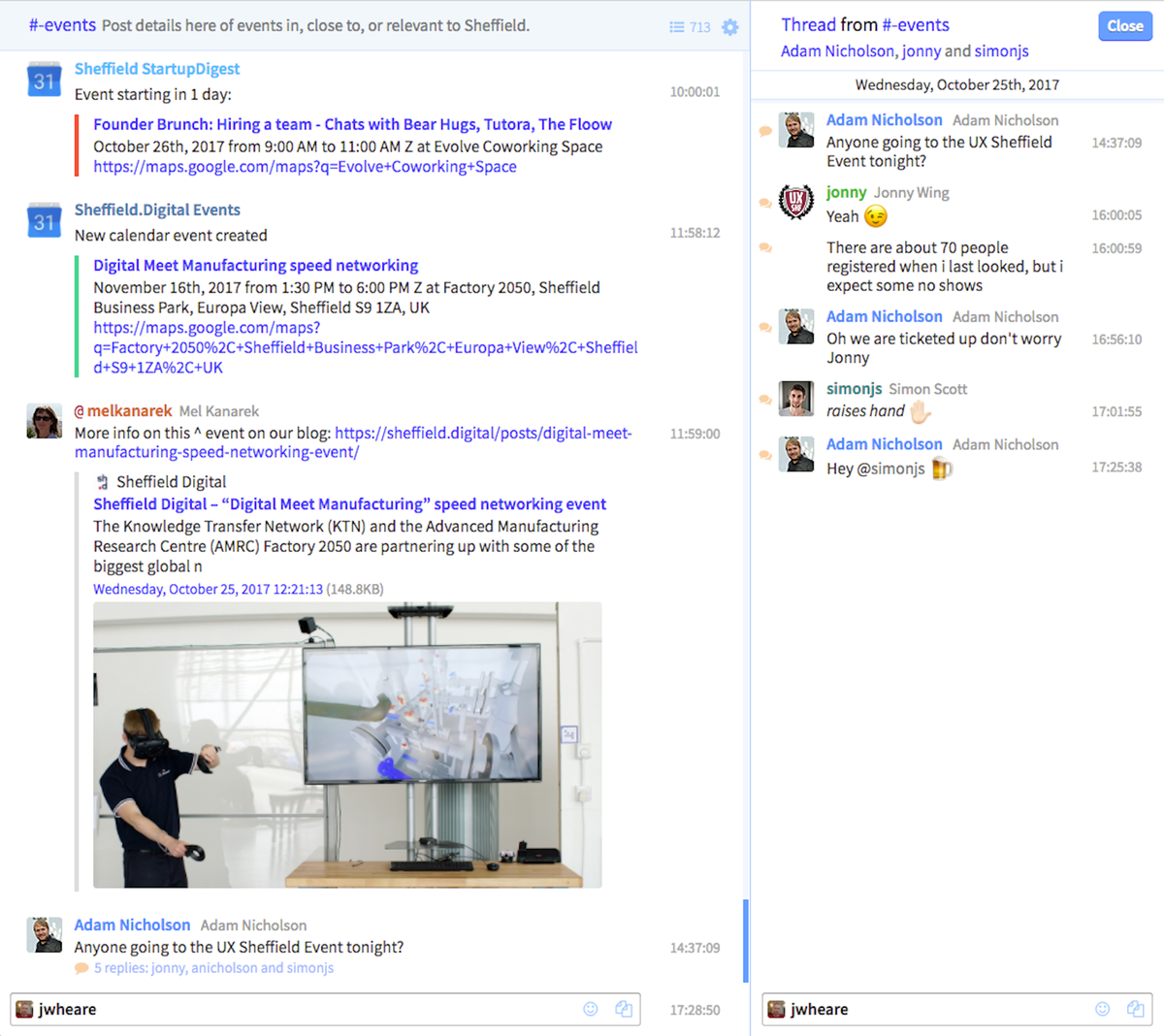
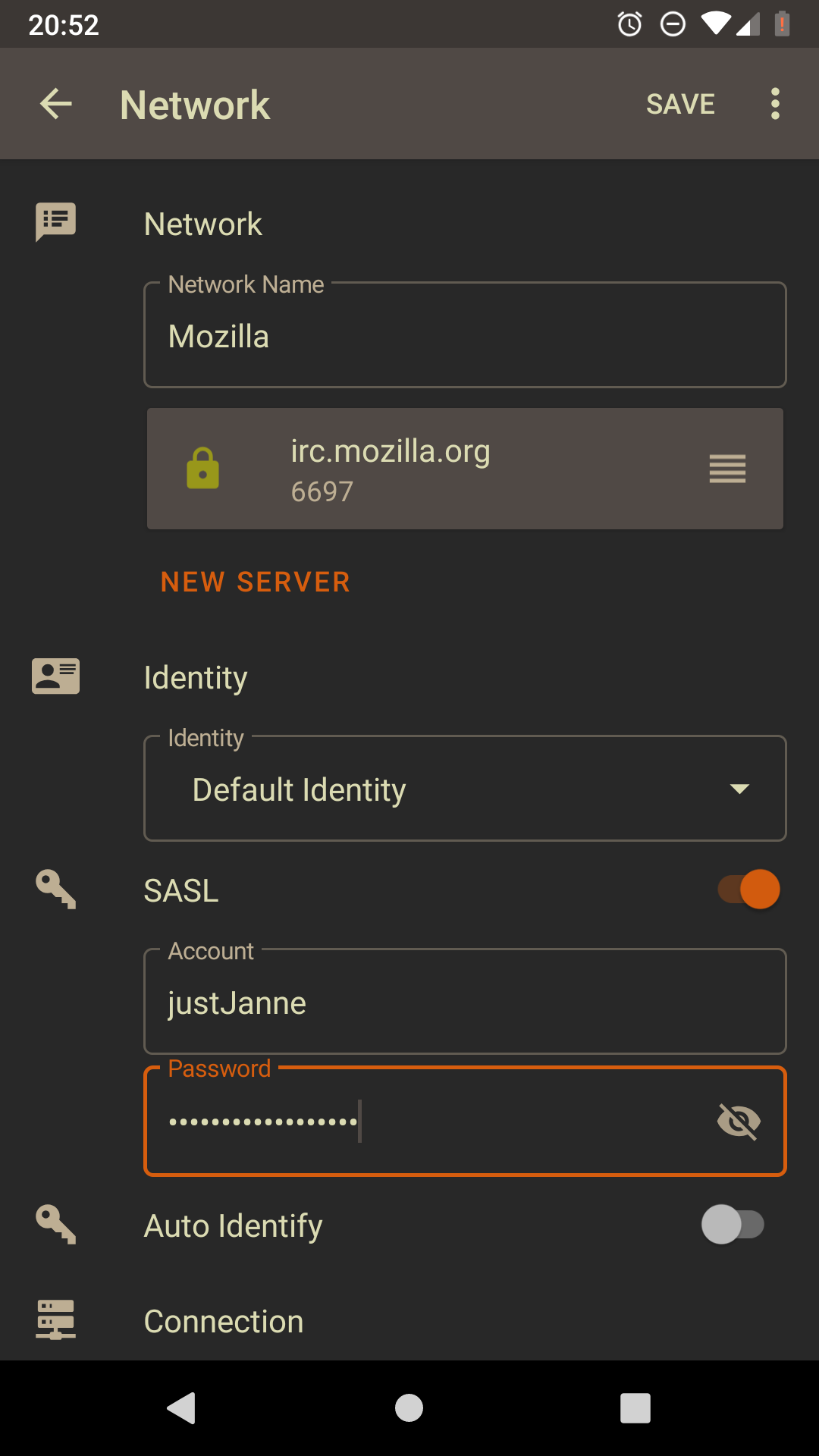
Because they don't give a rat's ass about the freedom aspect of free software. If software A requires four clicks to do something, but B has a way to do it in 3, they are on B without a second thought.
But in this case, those users are not just any old end users; the are actually supposed to be FOSS developers, so there is a heavy irony there.
I think what is doing on is that large numbers of people are now "reluctant" FOSS developers. They do FOSS because someone told them to. They got a job somewhere and the job involves writing code that gets upstreamed somewhere and is redistributable. Well, they don't give a damn about that, it's just a job, no different from working on proprietary software. Or they work on some proprietary stuff, but it interacts with and depends on some FOSS pieces so they get in there and make changes out of necessity, and those changes are freely licensed only because they are derived from a work which requires that due to copyright doctrines about derived works.
It's partly a generational thing. Notice how Doc Searls looks about fifty-something. He remembers a grassroots free software movement which was about actually about displacing proprietary software and liberating the user, and not about about providing reliable commodity middleware for locked-down devices and cloud services.
If you were born after 1990, you don't know a world in which Linux and other FOSS wasn't used for making locked-down tech, and proprietary web sites that lock in millions of people and step on their privacy. So of course it's hard to understand someone like Doc Searls.
The free software ideology originated in a world in which you still installed applications locally and ran them on local data, on a machine where you were allowed to stick in a floppy disc with any piece of machine language in its boot sector that could easily take over the machine. The machine that was understood to be owned by you once you paid for it.