|
|
|
|
|
|
by brooklyndavs
3672 days ago
|
|
|
-> "The big difference between the NYC subway and all other US systems is that it's four-track. Not only is it four-track; there are lots of switches, crossovers, and interlocked signaling to support taking a section of track out of service without affecting traffic much. That's why the system can run 24/7. Almost all maintenance is done without stopping all traffic." Totally. I'm always surprised at the amount of planning that went into the NYC subway as far as capacity and redundancy goes. Not only in the IRT and BMT lines, which were private companies at the time, but also the IND system which was built and owned by the City. For example, the first time I took the F train to Coney Island I was socked to see it's four-track all the way to the end. It's a huge disappointment that the Second Ave subway is going to be two-tracked. |
|
|
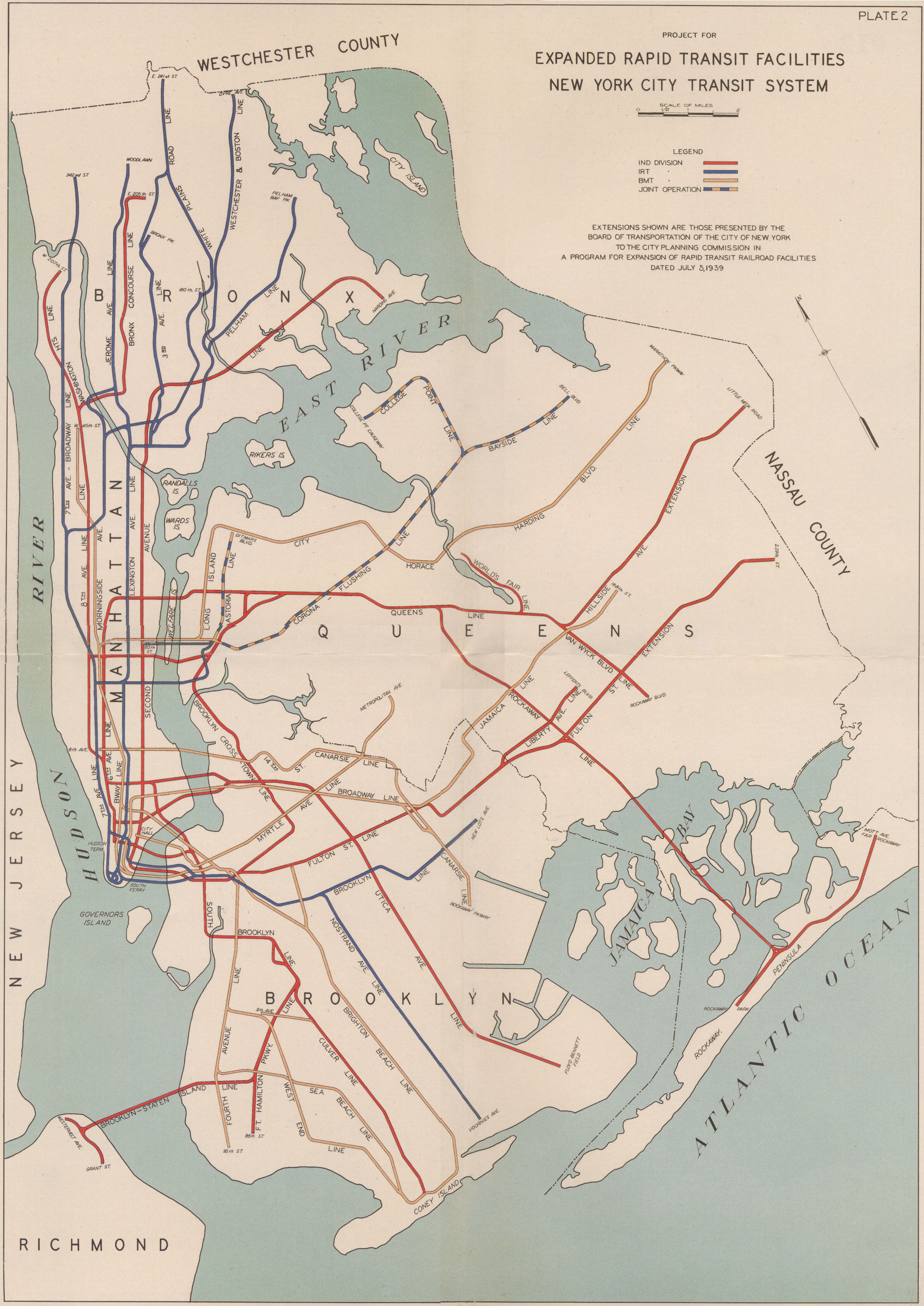
But more generally, I don't think that 4-track is quite the pancaea you suggest. In fact, they've been moving towards "FastTrack" repairs which involve a total shutdown of a line overnight or over a weekend. The MTA likes it. It's faster and cheaper and less dangerous for the crews involved. The thing that makes it not-so-disruptive, though, is that the NYC subway is massively redundant: if the Second Avenue Subway is closed you can take the Lexington Avenue Line which is a block and a half away (Lexington = 3.5th Avenue). Four-track service has nothing on this.
Of course, building it as 4 tracks should have been eminently feasible on the budget and timeline the city has , but the ways that NYC finds to waste money and not-make-stuff-happen are legion and run the gamut from transit to education and beyond...