|
|
|
|
|
|
by RaecKK
4112 days ago
|
|
|
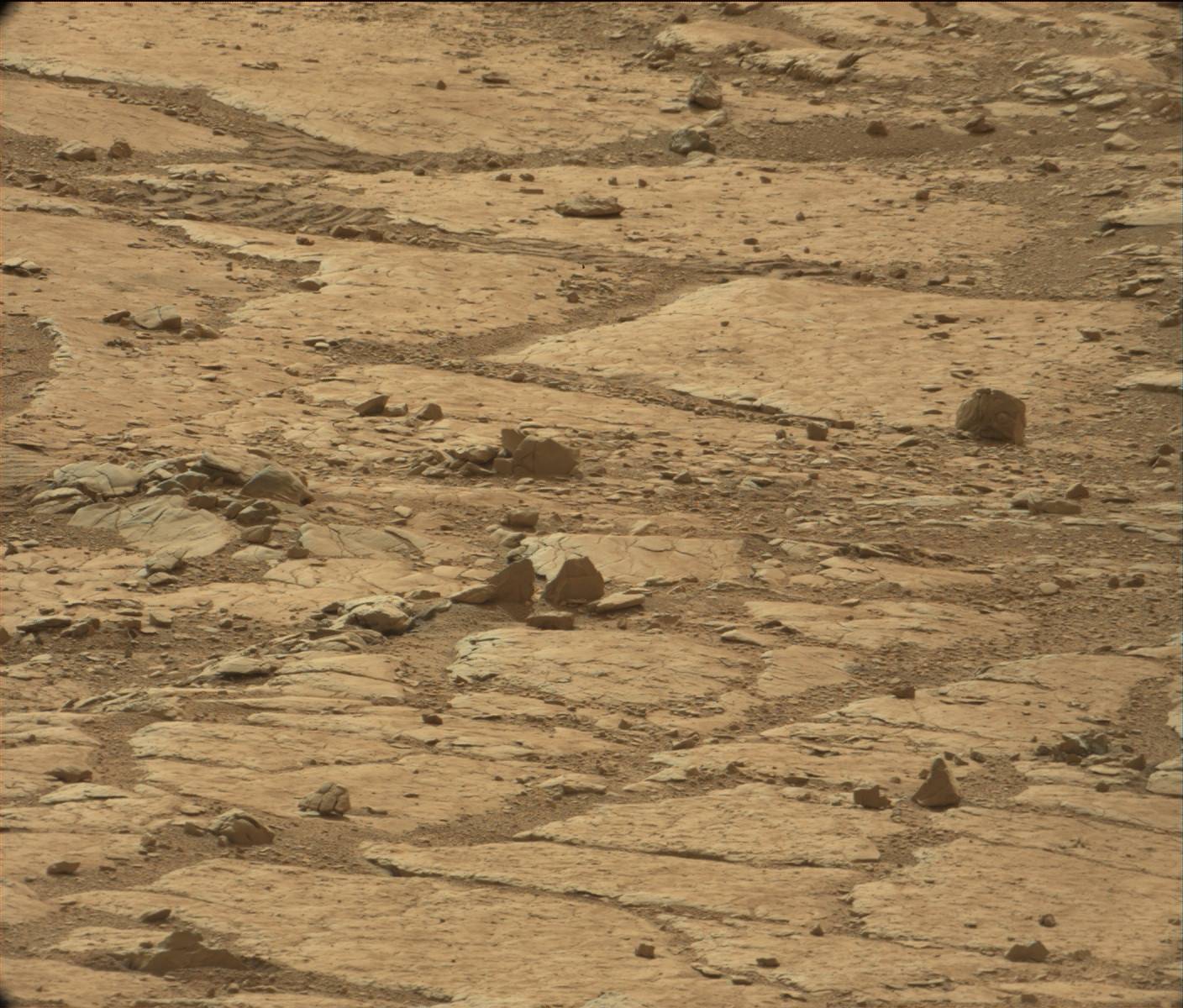
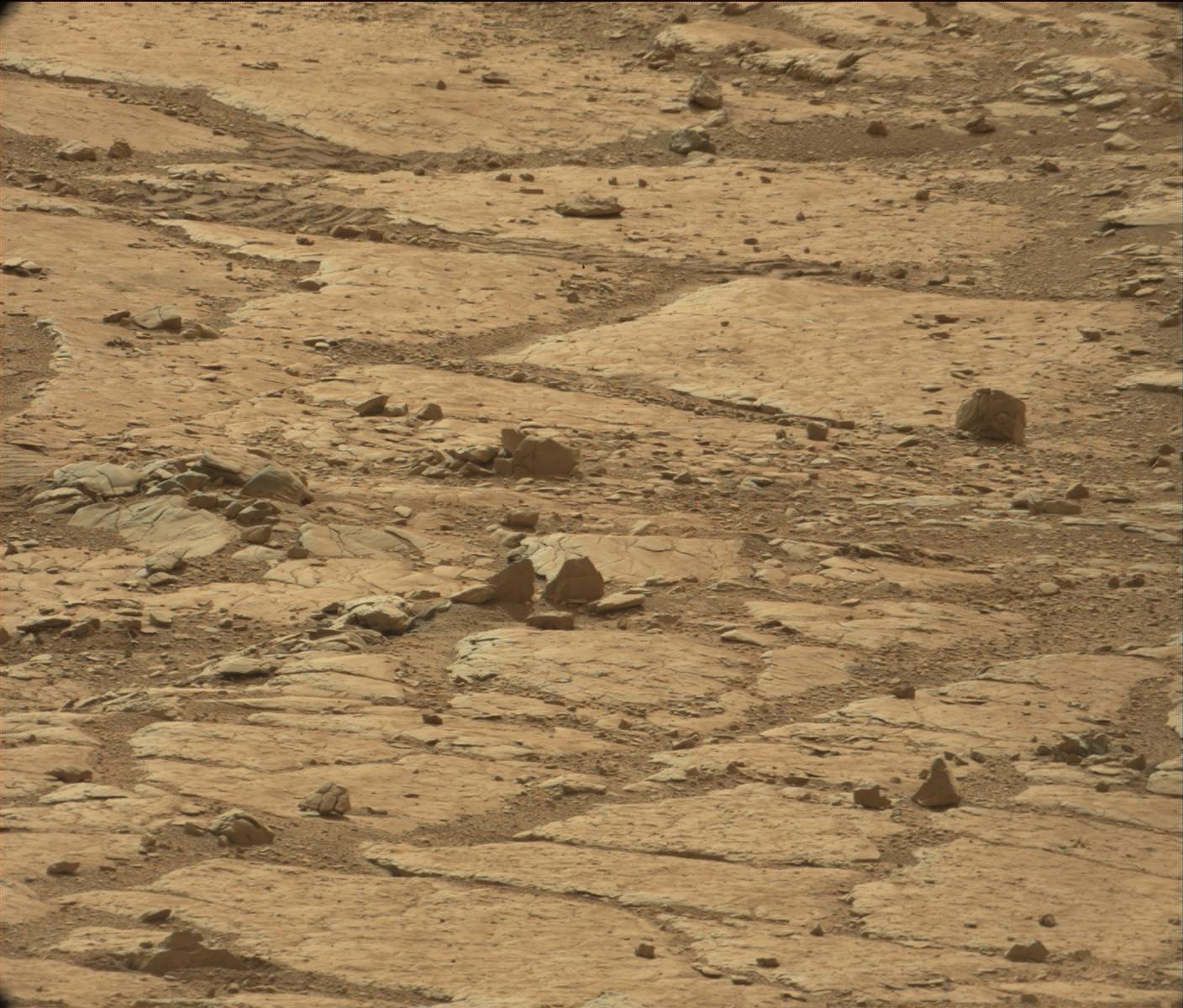
For anyone not familiar, this photo was snapped by the NASA Mars rover Curiosity: http://mars.jpl.nasa.gov/msl-raw-images/msss/00184/mcam/0184... Zoom in all the way, scroll up and to the right as far as possible, then scroll down just a tiny bit and look at the rock. That rock has a face on it? Definitely a WTF from me. I am so tired of seeing visual evidence dismissed by people who refuse to even consider it if it's not endorsed by some large "respectable" institution. You mean to say this rock is just a naturally occuring anomaly? Really? |
|
|
Upon further investigations they found large numbers of them throughout northern Africa, they described all kinds of megalithic structures: dolmens, menhirs, cairns, cup stones, and sacrificial altars.
Speculation was that this was a previously undiscovered Neolithic civilization, in describing the Senams, Cowper wrote "there had been originally no less than eighteen or twenty megalithic trilithons, in a line, each with its massive altar placed before it." Amazingly each altar had an obvious drain trench where blood from the sacrifices flowed. Cowper even speculated at one point that the builders of these cyclopean structures were involved in the raising of Stonehenge.
They were all well-respected, H.S. Cowper had done some early significant work identifying and describing megalithic structures in the UK, so obviously he knew what he was talking about.
A book with the findings was published to great anticipation. Unfortunately as the book was going to press, an article was written by J. L. Myers, Arthur Evans, and W. Gowland who actually knew what those structures were.
They were Roman-era oil presses.
For a brief period of time, Cowper denied this was possible pointing to Berbers that referred to the structures as idols, but for anyone who knew anything about Roman oil presses, these were fairly commonplace.
That's the long way of saying that the human mind has a tendency to find patterns and to try to explain those patterns based on their expectations.
But sometimes a cyclopean altar is just an oil press.