A few years ago at AOPA I attended a seminar on this. Turns out the success rate is extremely high provided you are able to get in contact with someone on the ground.
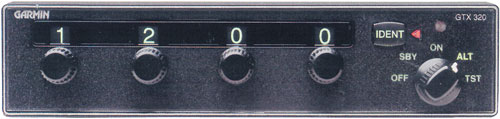
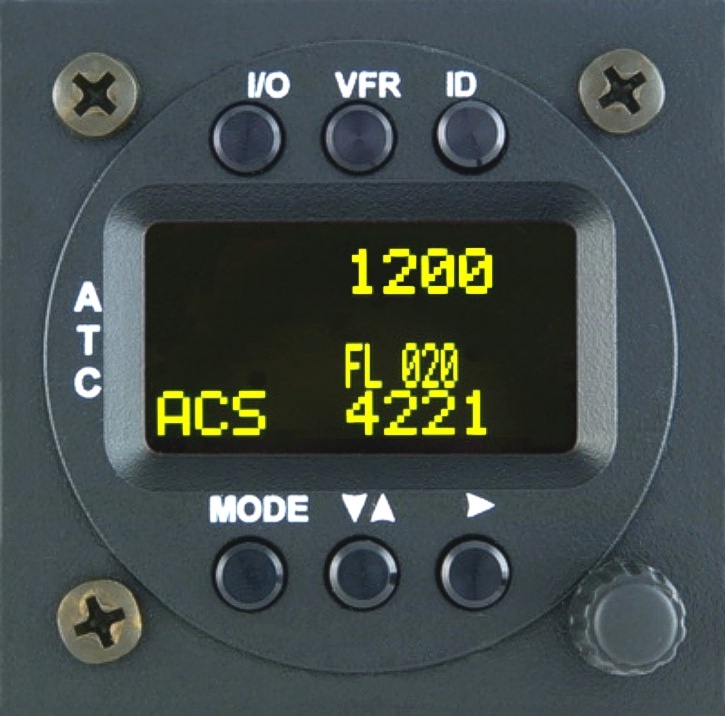
I think this article would have been a lot better if the full word count had been devoted to operating the radio. I don't think the author even mentioned 121.5 (let alone the transponder.) A few pictures of the control yoke PTT button and some common radio panels would help.
STEP 2: Set it to 7700 (emergency) or 7500 (hijacking)
STEP 3: Put on the pilots headset and wait, someone will start talking to you and explain how to respond.
STEP 4: If you don't hear anything for an extended period of time try to figure out why the radio doesn't work. Then start to panic and put into practice crazy things you read on the internet.
NAVIGATE: Don't hit anything, turn to avoid any mountains etc, otherwise stay straight & level until ATC/Other pilot assistance directs you to the runway.
COMMUNICATE: Broadcasting MAYDAY on any common channel is a good first step. CTAF (Common Traffic Aerial Frequency) used by light VFR aircraft. ATC/Tower is also monitored. Most likely the current channel is good to start with.
DO NOT Squawk 7500 on the transponder unless a hostile action (hijacker etc.) caused the pilot to become disabled. Squawking 7500 results in armed fighter jets scrambled and SWAT teams meeting you on the runway. Squawking 7700 is the emergency code to use in case of a disabled pilot.
Aviate, Navigate, Communicate concept is drilled into every student pilot.
Someone who does not know how a plane works and does not have a conscious PIC shouldn't touch anything without direction from the ground unless a collision is imminent.
I assumed the (hijacking) and (emergency) labels were pretty obvious.
It seems to me that going too long without touching the controls would come with a significant risk of the plane doing something uncontrolled and undesirable, such as entering a spiral dive or simply exceeding its design speed. The converse seems to be a high probability of an inexperienced person overcontrolling and making the situation worse.
AOPA is purely general (non-commercial) aviation, so the first point is correct, although iirc the data was from actual incidents.
I don't know if anything like that has ever happened in a heavy aircraft. However, commercial pilots have pretty big health requirements to make situations like that less likely.