Hacker News new | ask | show | jobs
by sysworld 119 days ago
While maybe not the best work ever done by govt. It's the first thing (as a non-US person) that I've seen that the govt is trying to do something about the unhealthy % population of the US.

Though I wish they'd go after sugar/processed foods/drinks industry. And increase healthy foods in stores. Get rid of white bread etc, put in real whole meal bread (like they have in Germany)

2 comments

Stores have whole grain bread. Germany isn’t unique and there are plenty of bakeries in the US that make fresh bread. If you can’t be bothered to make or buy good bread then that’s on you not the government.

The fact that they’re not going after any industry except to prop them up (meat, dairy) is a sign they aren’t doing anything about the unhealthy population in the US. The unhealthy population voted them in and doesn’t want to stop eating sugar.

If they really wanted to focus on changing the unhealthy lifestyles they would be promoting a high fiber diet but they didn’t they increased the recommended intake of protein which is not a healthy thing.

Furthermore I don’t know a single person who uses Federal guidelines to live. If they did they wouldn’t be eating the sugar anyways.

> Stores have whole grain bread. Germany isn’t unique and there are plenty of bakeries in the US that make fresh bread.

That's a common misunderstanding. My last comment on the difference between "bread" and "bread" in different countries, from some months ago, including links and pictures: https://news.ycombinator.com/item?id=45795914

Roughly, you could say any bread that you can squeeze and it temporarily loses its shape is a single category not considered very healthy in Germany ("white bread"), and not what a German would typically mean when they speak of bread.

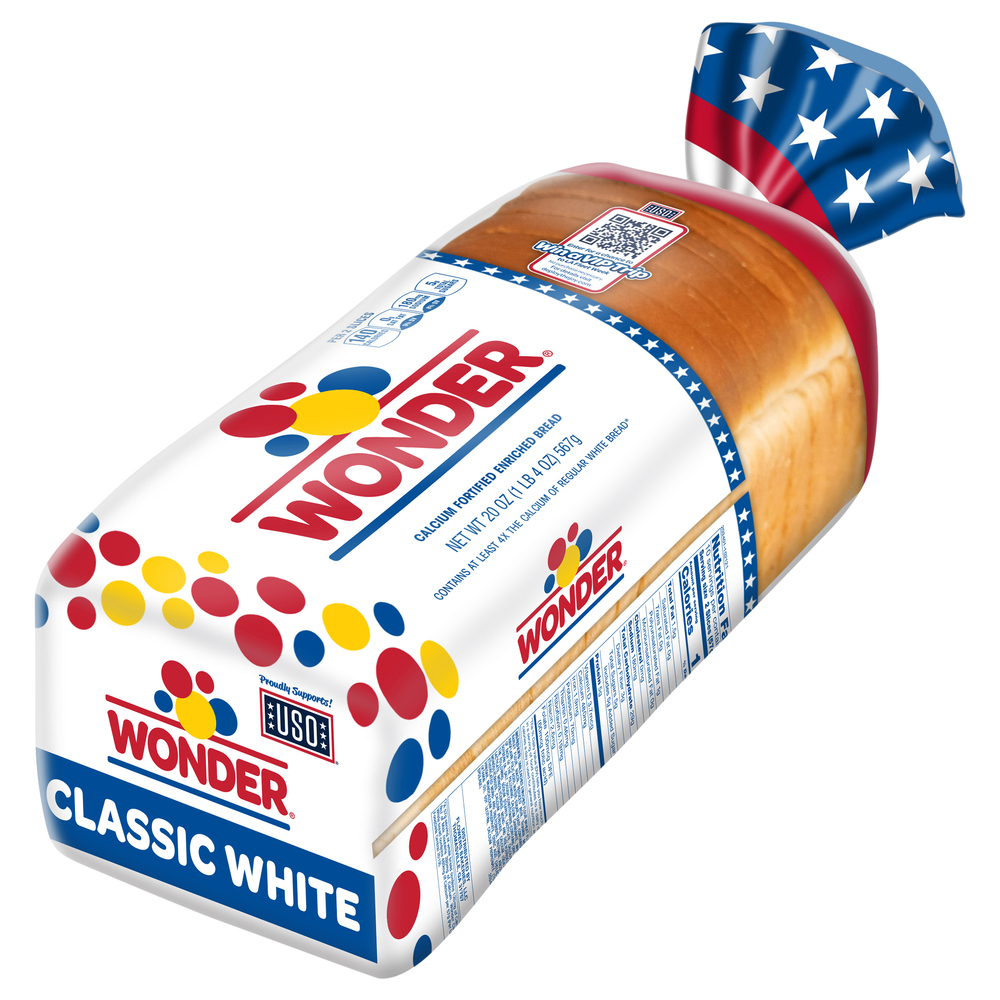
I don’t know what you’re talking about because I’m not referring to sliced bagged bread. I’m referring to bakery made round loaves that come from local places and sold at stores. It is quite common in the US in the three regions I’ve lived. It would look similar to this focaccia but imagine a round peasant loaf or sourdough loaf:

https://d3koznjjgilbyx.cloudfront.net/lowesfoods/product_ima...

Usually with the nutrition and ingredient information posted on the bag label or nearby in the store.

I wonder if you followed my link, since nothing there refers to sliced bagged bread, not the original US poster and neither my reply, and the photo you posted shows yet another soft/squishy bread, which is exactly what Germans wouldn't mean when they speak of "bread" but refer to as "white bread", similar to the ones in the linked post but not my reply where I try to point out the differences, like the variety of grains involved. I was hoping the photos would convey some of the differences but I guess it's hard to understand unless you have touched and tasted it.
I followed your link and indeed we have "soft squishy white bread" in the US or wonder bread or whatever brand you want to tout and "sometimes" it's called "white bread" but only if it's white. If it's soft, squishy, sliced, and bagged but has whole grains than it's typically not called "white bread" but "whole wheat" or whatever the base of the bread is. Germany doesn't call that bread, "cool" but irrelevant to the point I'm making. I don't consider it real bread here either!

However that is not the bread that I am talking about which is whole grain, sourdough, whole meal, etc. The bread I am talking about that doesn't have sugar, isn't squishy, and isn't sliced, is available to people in the US. The conversation is about US health. I get it, Germans have bread and they have squishy white bread too. So do Americans. In the US it's usually pre-sliced and bagged. You don't have to buy the garbage squishy "white bread" in either place.

One loaf looks like this:

https://contenthandler-raleys.fieldera.com/prod/382731/1/0/0...

OR:

https://contenthandler-raleys.fieldera.com/prod/382731/1/0/0...

See how those are distinctly different than the bread pictures you have shown? That is "white bread" in the US.

Germans tend to make a "hardier" bread (from not including a leavening agent) that isn't super soft and their culture has quirks about the topic, but it doesn't mean that there isn't healthy sugar-free and preservative-free bread in the US. German bread isn't "healthier" because it doesn't use yeast.

The type of bread you seem to be talking about is unleavened Pumpernickel or Rye bread. The main difference from German "white bread" being: non-rye flour, and leavening agent of some sort

> Germans tend to make a "hardier" bread (from not including a leavening agent) that isn't super soft and their culture has quirks about the topic, but it doesn't mean that there isn't healthy sugar-free and preservative-free bread in the US. German bread isn't "healthier" because it doesn't use yeast.

Agreed. I just wanted to point out the confusion/misunderstanding that happens around this topic. Germans have the deeply ingrained (pun) idea that only the harder bread is healthy (and has earned the right to be called "(proper) bread"), and the softer versions are not. I just very much prefer the slightly harder/denser ones (that still contain yeast) with a nice crunchy crust, and found them very difficult to get in the US whereas in Germany they are everywhere, presliced or not.

And, no, I am not talking about Pumpernickel-style breads either. That's another category: "soft/white bread", "(typical/standard) bread" (which is a range between white and black in terms of softness/grain size and can be all wheat, or other grain), and "black breads" like Pumpernickel or Barbara Rütting.

It is telling that the dark Rye bread picture on Wikipedia is used on German, Russian and Platt Wikipedia, but not on English Wikipedia. https://commons.wikimedia.org/wiki/File:Vaasan_Jyv%C3%A4viip...

I get "The request is blocked." when trying to open your link. (and you posted the same link twice)

> Stores have whole grain bread. Germany isn’t unique and there are plenty of bakeries in the US that make fresh bread. If you can’t be bothered to make or buy good bread then that’s on you not the government.

American bread brands tend to have a lot of sugar in them. I've had a few foreign friends that have commented on just how sweet all the bread here is.

It isn't that you can't find low sugar breads in the US, but rather it can be something that hard to even know you should be looking for. Just because a bread is whole grain won't make it healthy.

Germans also tend to really like whole grain and dark breads. Rye bread in particular is something a lot of germans like.

I’m not talking about sliced bread like Wonder bread or Dave’s Killer Bread, etc. If you can’t find sugar-free bread then you you’re not trying. Many places make big round whole loaves, bag them and sell them at grocery stores. The bread goes bad quicker because it doesn’t have sugar. You can find anything from basic peasant bread to whole wheat and sourdough. In the 3 different regions I’ve lived in the US I have never had an issue with finding good bread.
> The bread goes bad quicker because it doesn’t have sugar.

Nope. It goes bad quicker because it doesn't have shelf stabilizers.

If anything, sugar increases how fast bread goes bad.

It's pretty hard to know exactly how much sugar is in those big round loaves, harder than the national brands with the nutrition label.

There’s none because they list the ingredients on the bag when you buy it. It still has to follow nutritional information. Anyways we’re done here, you only seem interested in arguing that regular bread doesn’t exist.
Can you elaborate? They've been doing it for roughly two decades.