|
|
|
|
|
|
by svara
313 days ago
|
|
|
I don't find the argument about homophones very convincing, since people do speak to each other and it works. People will surely be able to adapt. But, you're basically throwing away the country's history. In just a few years young people wouldn't be able to read any older text anymore. I can see why you wouldn't want that. |
|
|
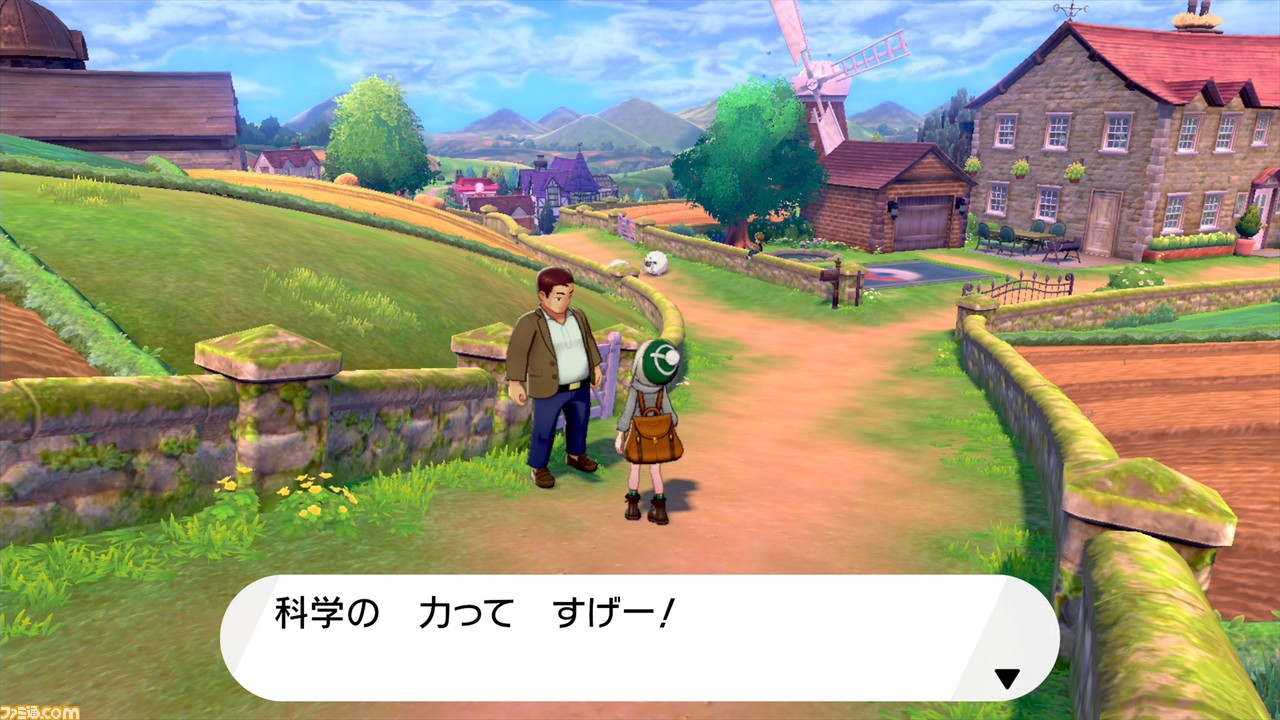
Japanese written language has the property that when you see kanji followed by one of a very small number of hiragana patterns, you know you're seeing a verb. Stemming and deriving the meaning of the verb is trivial, because it closely follows from the Kanji (e.g. 見る => 'see', and pretty much every noun or verb involving 見 carries that connotation).
Toss in the few particles (を、で、に、へ、が、は), and you've broken a sentence into semantic chunks with very little mental effort -- and along the way, gained much of the meaning at the same time.
Doing the equivalent with a stream of nothing but hiragana requires a kind of parsing that is like depth-first prefix search, but with ambiguous matching at each terminal. It's incredibly tedious.