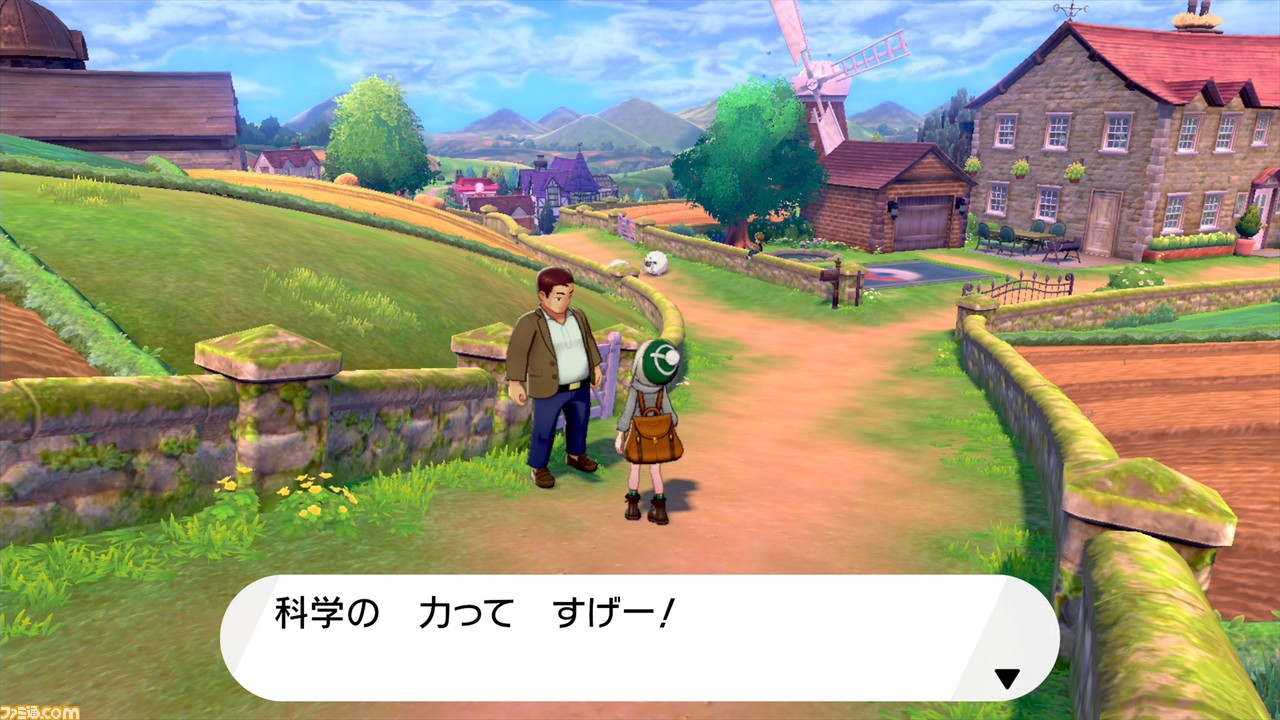
| It is substantially harder and slower to read a stream of hiragana than to read a stream of hiragana and kanji. I don't know if you know anything about the language, but it's not because of homophones (though that is certainly improved) -- it's chunking. Japanese written language has the property that when you see kanji followed by one of a very small number of hiragana patterns, you know you're seeing a verb. Stemming and deriving the meaning of the verb is trivial, because it closely follows from the Kanji (e.g. 見る => 'see', and pretty much every noun or verb involving 見 carries that connotation). Toss in the few particles (を、で、に、へ、が、は), and you've broken a sentence into semantic chunks with very little mental effort -- and along the way, gained much of the meaning at the same time. Doing the equivalent with a stream of nothing but hiragana requires a kind of parsing that is like depth-first prefix search, but with ambiguous matching at each terminal. It's incredibly tedious. |
I'm much better at reading than speaking/listening, so the Kanji also help as a clue to the meaning, but that is entirely a non-native problem I think.