|
|
|
|
|
|
by arturocamembert
371 days ago
|
|
|
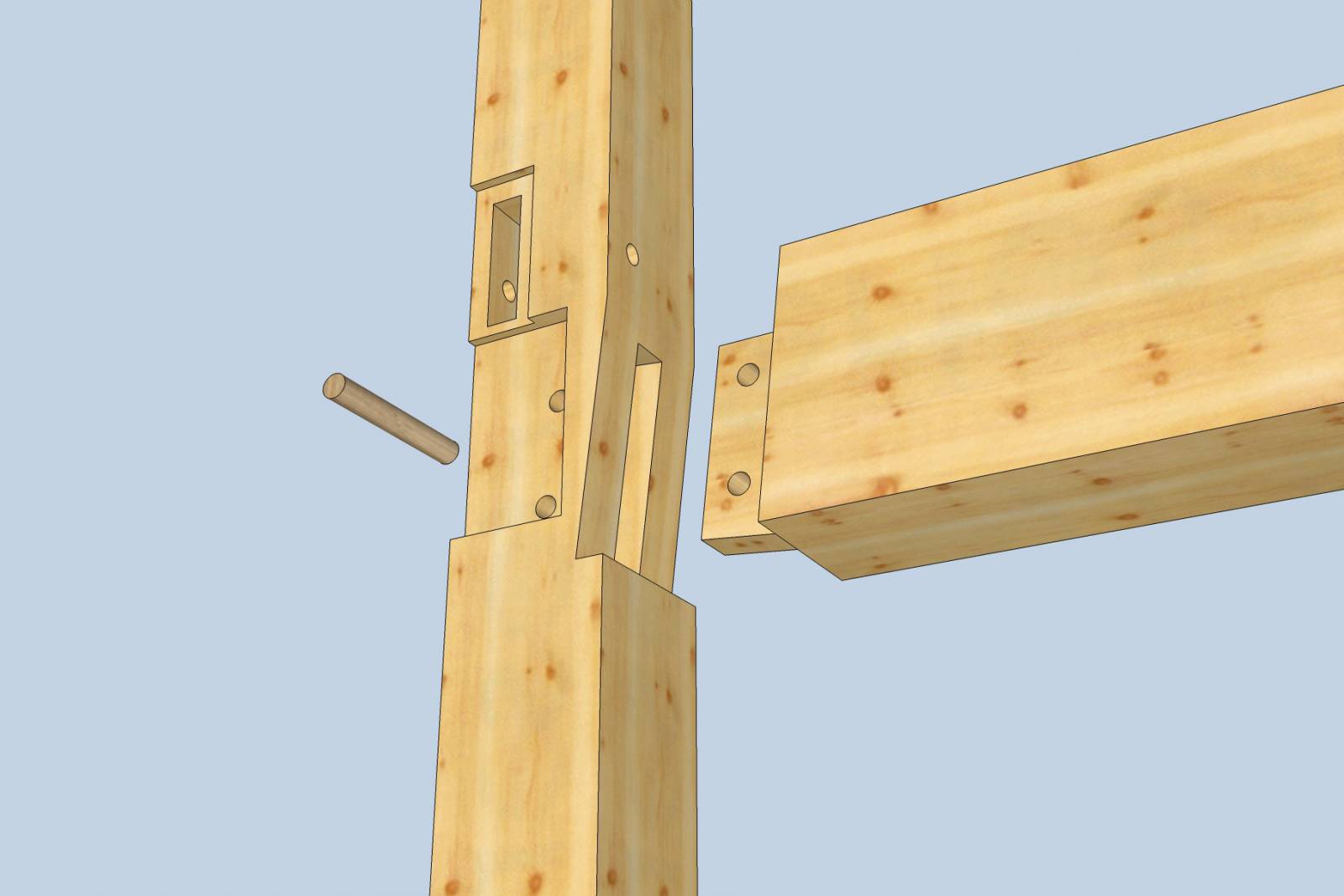
Small addendum: some traditional wooden joinery is deliberately prepared to account for the varying rates and effects of drying across the timber. This is particularly relevant in timberframing, where you want to work with the wood when it is as green as possible. Green pine, though heavier to lug around, is significantly more receptive to a chisel than drier lumber. In a classic mortise and tenon joint [0], it's common to leave the outer edge of the shoulder slightly raised from the inner edge to account for the natural warping as the exterior of the beam dries more aggressively. Although it's more outside my area of experience, I believe fine carpentry also has a few techniques that see a higher frequency of use in areas that enjoy seasonal swings in humidity. The split-tenon is the only one that comes to mind, but, now that I think of it, I realize my mental model isn't great. More surface area to account for seasonal swelling / shrinkage? Maybe someone else can chime with a better explanation of this one. [0] https://www.barnyard.com/sites/default/files/styles/full_pag... |
|
|
In US farm country it was common to fell the trees in late fall/early winter after the harvest was all taken care of and then leave the trees where they dropped until the ground froze. After the ground froze you haul them to the build site, much easier to drag logs on hard frozen ground than on soft wet ground. Then you would forget about them until after the spring planting is taken care of and build in the summer. Those big timbers would be far from dry but they will have lost a fair amount of weight and will be more stable which makes everything easier.