| A castle built on sand. The only way to take the premise of this claim seriously is to ignore data for the past 100 years. When I was in the US military, we all complained about the Body Mass Index standards. They were based on the WWII era "normal". Men were smaller. Less muscle mass. Shorter. If the average fit American young man tried to fit into a pilot's cockpit from the 1950's, it would feel quite cramped. Like it was built for much small people. It was. We have certainly climbed the Kardashev scale since the 1950's. To what degree is a matter of contention. But, all would agree that we have moved up the scale. Muscle atrophy has not been correlated with the growth. The opposite seems true. The average American, both male and female, has more muscle mass than in 1924. A 2024 person spends significantly more time on average in a gym pushing their muscles to hypertrophy than in 1924. In addition, it is likely that the romantic picture of the average laborer "bodybuilding" is fictive and ignores how muscle atrophy and hypertrophy works. Most laborers are NOT doing activity that leads to hypertrophy. They are staying well within cardiovascular zones of muscle activation. Hence, bodybuilders as we know them are largely a modern phenomenon. And they are certainly WAY more muscular. Seems the model that underlies this claim is built on seemingly demonstrably false premises. |

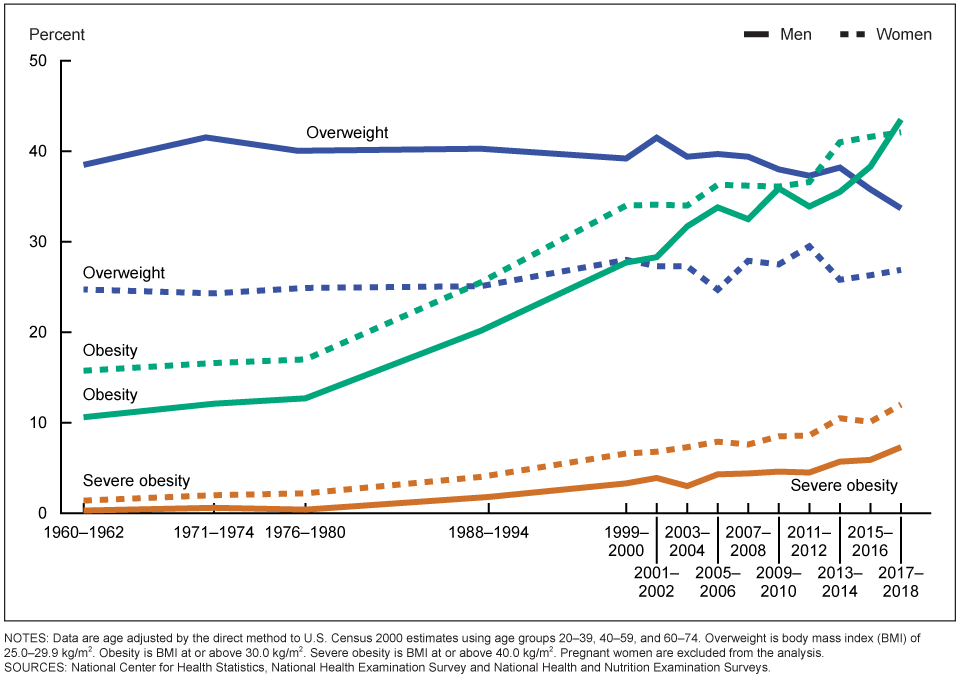
This is true, but sort of a sleight of hand -- obese people that don't exercise have more muscle mass than non-obese people who don't exercise, just to carry around all of the fat. And obviously the average American, both male and female, is more overweight/obese than in 1924.
(I agree with basically everything else you say, though.)