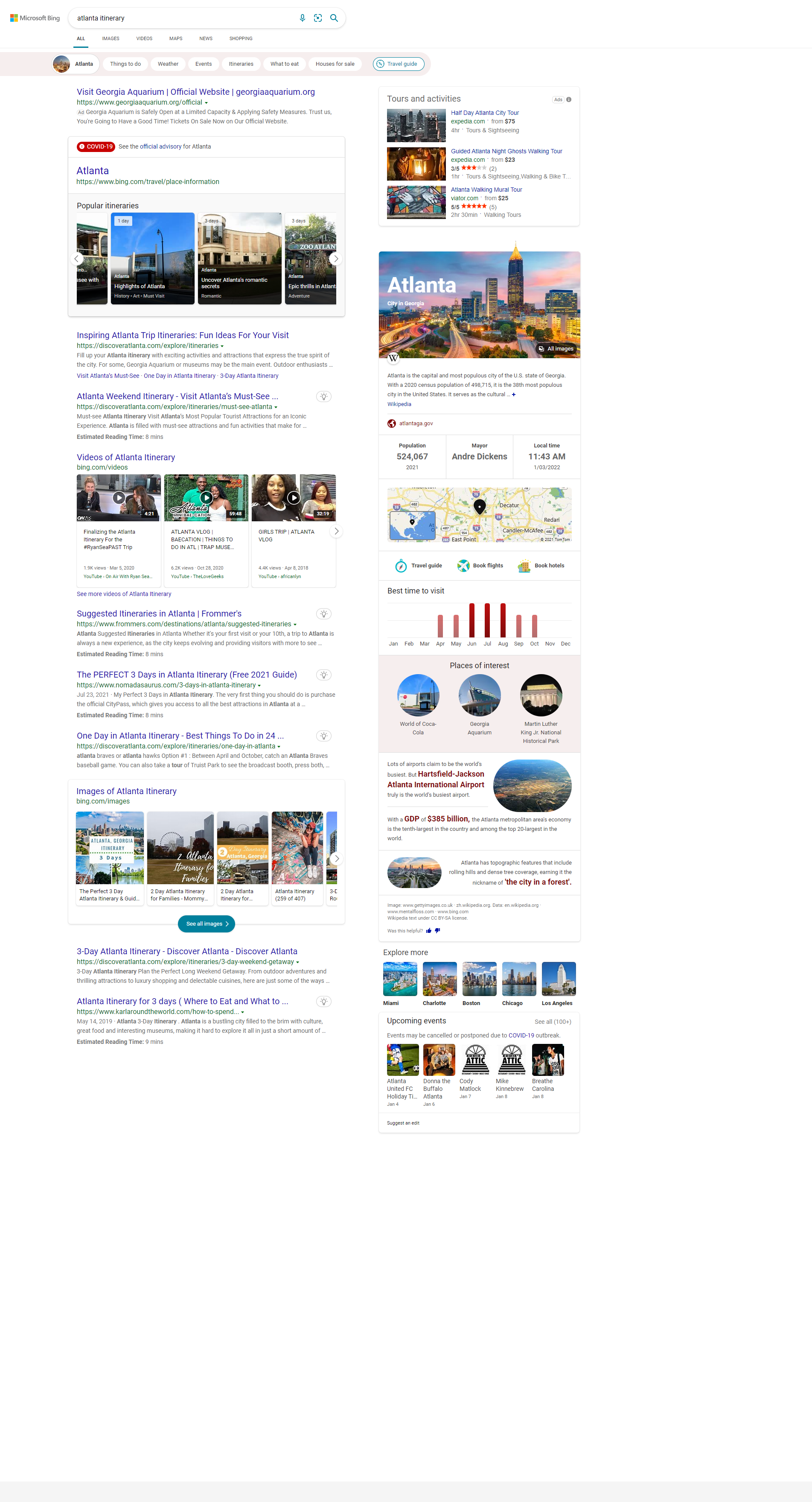
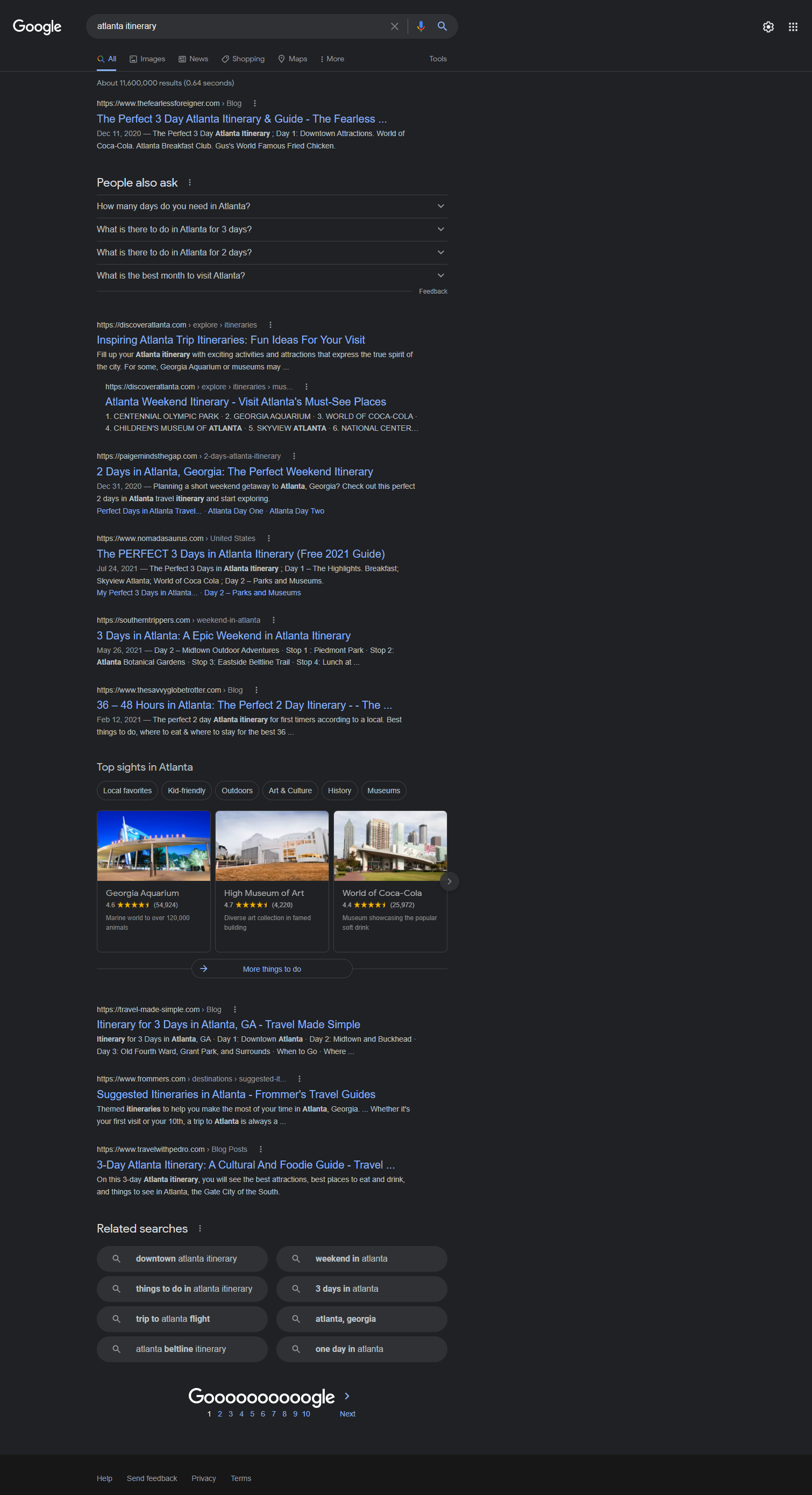
| This 100%. In travel, we see Google constantly tweaking its algorithms, and compared to Bing, Google surfaces a ton more small, well-written travel blogs [1] Not only that, Paul and Michael have seen plenty of startups, and at least in recent memory, the number of vertical search and consumer startups that Y Combinator has funded hasn't been that high As a consumer startup, I know this issue firsthand. Paul and Michael assume that if you build a better product, they will come! That's simply not true these days. Instead, you need to: - Build a better product - Option 1: Figure out a channel with enough growth on an existing platform. This likely means you're doing SEO for your new search engine - Option 2: Get your customer lifetime value high enough so you can pay for ads. This is tough, since it's a bit of a chicken and the egg problem since most search engines are monetized with ads As the founder of Wanderlog (YC W19; https://wanderlog.com), a consumer vacation planning app [1], I definitely remember the idealistic days when I thought the best consumer product on its own would win! But growth doesn't just come, and the same can be said of vertical-specific search engines. [1] Try searching "[your city] itinerary" on Google vs. Bing: it's much more likely you'll find a small blog rather than Lonely Planet or the local travel bureau as the top result |
The best part of it was (going to a foreign country) being able to find / identify all the attractions relative to each other, so I could go to cluster A on Monday, cluster B, on Tuesday, etc.
The hardest part of it (and why I needed to create a separate google sheets anyways) was--once I figured out opening hours of different locations, hard-to-book activities with limited reservations--the ease of moving things around more fluidly e.g. cluster B on Monday, cluster A on Tuesday, etc. and having a more information-dense view so I could see larger portions of the itinerary at once.
It would be cool to have an "input everything" --> "input time restrictions / unmovable things" --> output planned activity cluster type workflow.