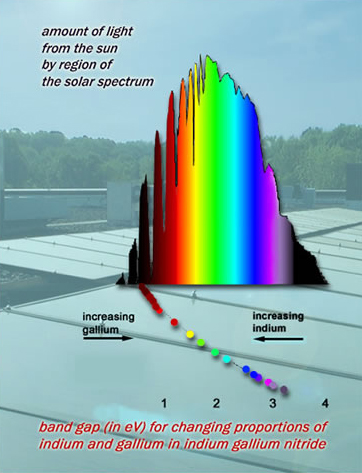
| > Most people know some basics of color theory. [...] And many people know that specific colors are really just wavelengths in the electromagnetic spectrum. [...] There are many systems involved to turn an RGB triplet value into a specific wavelength of light. A 5-year old asks you "The Sun is a big hot ball! What color is the ball?". What do you tell them? They ask "And sunlight?" You say? Most first-tier astronomy graduate students simply get Sun color wrong. A widespread misconception, perhaps first learned in Kindergarten, then reinforced by incorrect textbooks, persisting unintegrated into grad school. But more interesting here, is that first-tier non-astronomy physical-sciences graduate students often answer with some variation on "it doesn't have a color; it's rainbow color". Confusing wavelength and spectrum and optical color. As in TFA, and discussion here. So I suggest very few people have a firm grasp on even core basics of color theory. OT (from an email draft in my other window): What if those students had instead learned Sun color correctly in Kindergarten? How might it then have been used over the years, to teach other topics better? For example, color is often taught preK-1. So how might color be better taught, with improved conceptions, progressions, and interactives, building in part on this firmer grasp of Sun color? |