|
Agree it's incalculable, I don't mean that in the "it's too big of a number" sort of way but in the "we can't possibly know" kind of way: 1) The scale and depth of the disruption makes it impractical to figure in any kind of accurate way and 2) The disruption will have introduced hypotheticals that nay spiral out themselves (butterfly effect style) e.g. some retailer may have lost a customer who went elsewhere, some supplier may have lost a retailer who went elsewhere, etc |
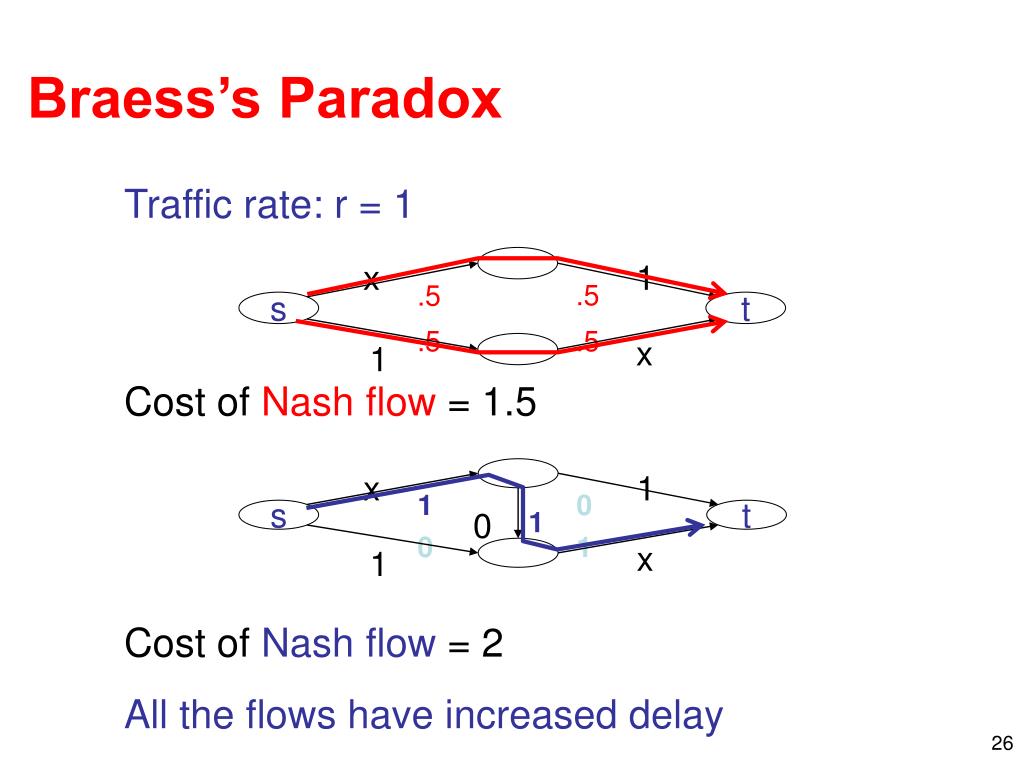
In general, temporary disruption has some long-term positive economic effects (which is directly why 'disruption' is valued in Silicon Valley).
For example, during London Tube Strikes, commuters find different and more efficient routes and 5% ended up permanently changing their route on public transport: https://www.independent.co.uk/news/business/news/tube-strike...