|
|
|
|
|
|
by FourthProtocol
1965 days ago
|
|
|
Critical outcomes are defined by quality objectives (I mentioned some above, others are reliability, robustness and portability). People don't consider using my project. There's a client with a business problem, there's a vendor who solves problems for clients. The vendor produces an architecture document that describes how technology will achieve a solution †. There is no noping the fuck out, as this is a hospital asking you for a one-off to manage/settle insurance payments. Or an electoral district asking you to merge three emergency response systems into one. Or Nokia asking you to tariff calls going through a switch in real time. † This is nuanced. Often a client's procurement department invites a number of candidate vendors to submit proposals including a design proposal/architecture and associated cost estimates. Vendors range from the high end (McKinsey, Bain & Co, Ernst & Young) to the mid-tier (Wipro, Accenture and so on) to the niche. |
|
|
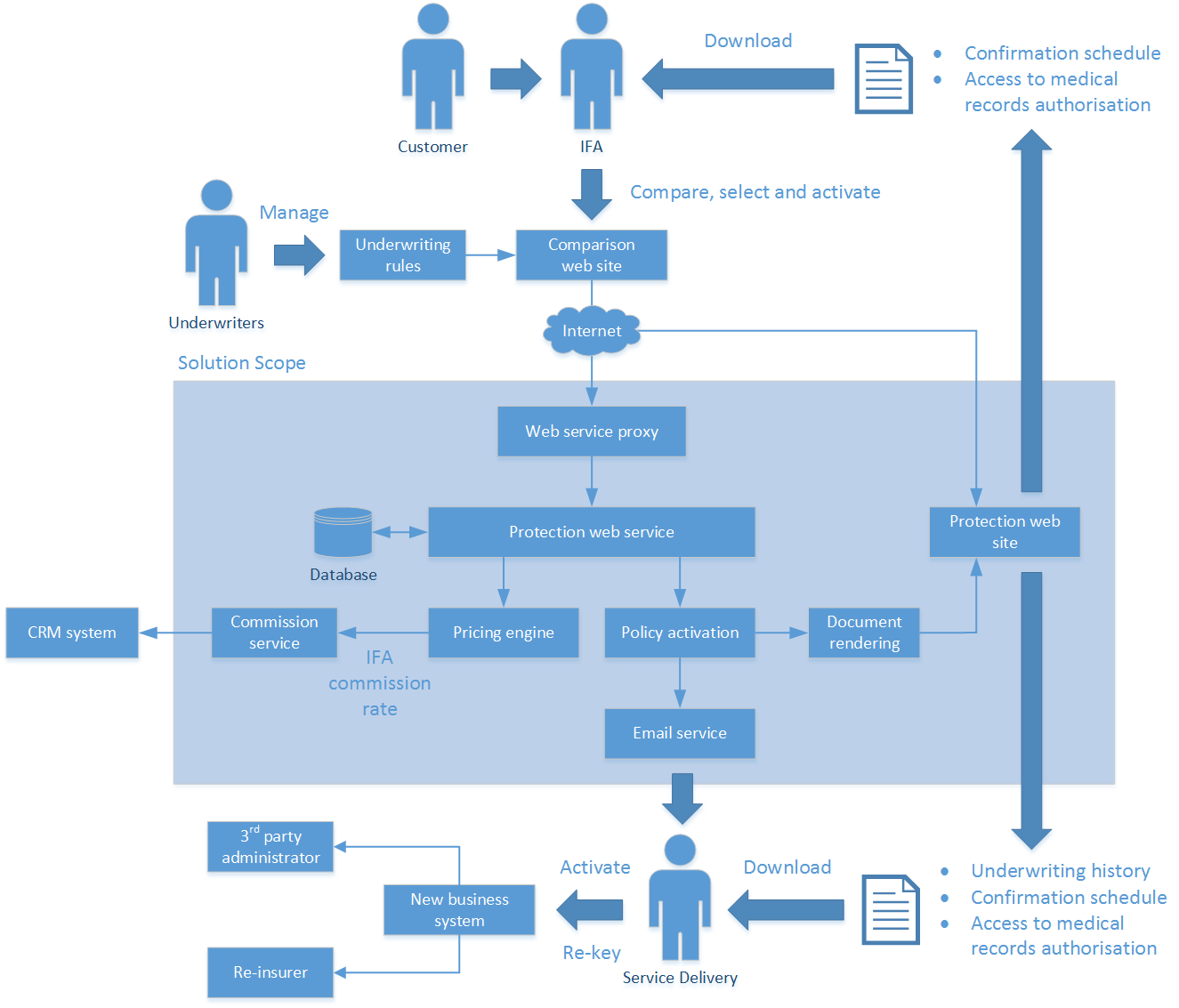
I’m well aware of what it is. I’ve been on real time telecom stuff (your last example) and know for a fact that engineers nope the fuck out of these huge ass architecture documents that include stakeholders, change control, etc.
Inevitably there is some kind of outage or botched upgrade with lots of finger pointing and then the vendor covers their ass by referencing “page 248 under heading ‘assumptions about bisectional bandwidth’” or some bullshit right before the section on ‘renegotiating requirements during a government declared emergency’.
There needs to be a better way because I assure you, the people using your system are (on average) barely going to skim your document.
Being a “very serious” industry does not change this. Look at the disaster that was Healthcare.gov. That had mountains of documents like you describe they overlooked the simple requirement of scaling identity lookups.