Our bodies are primate bodies. Primates are frugavorian omnivores (get most calories from fruit, and eat very little animal tissue (mostly insects)). Fruit contain mostly carbs: short carbs a.k.a. sugars. We're optimized for eating lots of sugar.
Primates have a hard time producing fat from carbs (a process called lipogenesis), just a few calorie% per day. This, combined with the tiny bits of fat in fruits/insects, we may store as fat tissue.
Here comes ketosis: when we cannot find adequate food supply (starve) we can live off our fat storage, this is what ketosis is for (biologically/evolutionary). It's our starvation mode.
Primates are not made to be in ketosis for long times. We're also not made to eat high fat and/or high protein diets. We're made for a high fruit diet.
Is long term ketosis bad? I believe so, but we still need to do research on this. Many people are trying it on themselves lately, so we will soon know.
Is short term keto dieting bad? Nope. And it may help you to burn that body fat fast. I'd prefer to get into keto by mimicking starvation, a.k.a. (intermittent) fasting, and not by eating lots of fat/protein.
Is eating lots of animal products bad for you? Yes. It's been shown again and again in large studies that humans do better on predominantly whole plant foods.
Not even sure how to respond to that one. American diabetes rates?
> Primates have a hard time producing fat from carbs
??? carbs -> glucose -> insulin -> increased lipogenesis. Carbs are _better_ than protein or fat at producing bodyfat.
> Is eating lots of animal products bad for you? Yes. It's been shown again and again in large studies that humans do better on predominantly whole plant foods.
In large, observational studies with innumerable co-founding factors, including lumping regular meat (a steak) in with highly processed meat (mcdonalds burger).
I agree with the whole food part, and plants can be good, but exclusion of unprocessed meat is not proven to be any more healthy.
You also self describe as vegetarian in your profile, and ketogenic diets often include meat.
I was vegetarian for 10 years and tried a beef only diet for my immune problems.
I was told that I would have trouble digesting meat again but to my surprise, it was much easier than usual, and I felt great the whole day (also actually felt full for like 6-8 hours after a meal).
Then gradually reintroducing foods one by one helped me pinpoint the culprits.
I agree with a lot of what you said - I mean this with the highest degree of respect - but I've noticed a certain strain of assertions here that throws off alarm bells. Do you have some resources on this "frugavorian" thing?
It’s pretty clear that humans haven’t eaten a primarily fruit based diet in a very long time. It’s likely that moving away from that diet predated changes that made us human.
you could certainly make the argument that most humans haven't a primarily fruit based diet for a while (although evolutionarily it really hasn't been that long) but that doesn't change the fact they are our closest ancestors and the way our bodies are built STILL very much mirror those of primates which means they, in many ways, still work as theirs did. It's not like we have evolved entirely different digestive systems or something. Essentially everything is the same (which again makes sense as evolution is a VERY slow process)
Gorillas digestion is based primarily on fermentation of plant fiber, which is why they have a huge gut. Humans have an acidic stomach environment which doesn’t digest fiber at all. A small amount of fermentation happens in the human gut, but it can only produce a few calories a day.
Evolution has changed us considerably in the last couple million years.
We may be closely related genetically to gorillas, but our digestion is probably closer now to a dog’s than a gorilla’s.
Notably if you want an example of a primary ketosis digestion look at cats, who have kidneys overclocked enough they can drink sea water (but shouldn't because they are stressed enough as it is), and may suffer ammonia poisoning if given meals deficent in the right ammino acids to prevent its build up.
We aren't anywhere close to redesigning ourselves to change things around but it is important to realize that "good" and "bad" aren't intrinsic but contextual in medicine, the dose makes the poison and all.
> it is important to realize that "good" and "bad" aren't intrinsic but contextual in medicine, the dose makes the poison and all.
Exactly. And the article is advocating eating mainly animal products. That's a huge "dose", and while not medicine (but nutrition), I'd say this is a very dangerous diet to advocate. Especially since this is very far away from out "roots" (we're not carnivores, and we're not even close).
Yeah, sure, we’re made to primarily eat something you can’t find for 9 out of 12 months. How do you keep believing this crap?
> Yes. It's been shown again and again in large studies that humans do better on predominantly whole plant foods.
No, it really was not. Any research you link to will be riddled with problems like measuring the wrong thing or affected by heathy user bias. Just because it confirms your belief doesn’t make it a good source.
There are a lot of assertions in what you said, some pointers to resources where one can learn more would be useful.
In particular the Homininis have separated from the Gorillinis around 6-8 million years ago. In that time, lots of things could have changed in our physiology.
This is not a very long time in evolution. We may have "adapted" to deal with more animal products (meat/dairy/eggs): those that did not take this food very well have had less offspring and now we're generally more adapted to it (though lactose intolerance is still huge in humans).
But evolving to thrive on diet that's so far off what we started with will take much longer.
Consider when you don’t eat (fasting) your body goes into Ketosis. In other words it’s the default energy system.
You literally have to introduce Specific foods that knock you out of Ketosis...it just so happens now a days those are the primary foods people eat. Foods that spike insulin and knock you out of Ketosis really wouldn’t have been available in a constant supply to keep people running on glucose pre-agriculture.
Also consider the blood brain barrier, ketones are much more efficient at crossing the blood brain barrier to fuel the brain compared to glucose.
Even in the environment of evolutionary adaptedness, prolonged fasting is not the default. If you're going to argue that metabolism under abnormal conditions defines the primary energy system, alcohol must be the primary energy system. It's used at higher priority than either carbs or fats.
Alcohol is an energy source just as much as carbs, fat and protein for sure...but the brain can’t run on alcohol, only ketones and glucose.
Your natural state is ketosis (that makes it the primary fuel source). And we are not talking about “prolonged fasting” or “abnormal conditions”, we are talking about natural states. So if you happen to kick yourself out of ketosis and start running primarily on glucose most people will burn through their glucose stores in just a few hours and their body will crash/shutdown to preserve the remaining glucose for the brain (think of marathon runners “hitting the wall” which doesn’t happen in ketosis, you basically have unlimited fat energy stores and your body will internally produce the limited glucose the brain needs)
It is the primary energy system. When a woman get pregnat, weeks before giving birth, she starts to produce ketones for the baby (it doesn't matter how many sugar the mum takes). And when the baby is born, meanwhile he drinks from mum milk he is in ketosis, because more than 50% of human milk is saturated fats. So yeah, we are in ketosis until we start to eat "food" high in carbs. The body can't burn fats if insuline is in your blood.
The brain doesn’t only run on glucose it certainly runs on ketones and ketones are much more efficient at crossing the blood brain barrier. Now when the brain is running off ketones it still needs some glucose, but the body accounts for that by being able to produce its own glucose and doesn’t need it from outside sources like carbs or sugar).
Ketosis is the default energy System, in that all things being equal when a person doesn’t introduce any food they naturally go into ketosis. People literally need to eat certain foods that spike insulin to get “kicked out” of ketosis.
> ketones are much more efficient at crossing the blood brain barrier
Source?
> Ketosis is the default energy System, in that all things being equal when a person doesn’t introduce any food they naturally go into ketosis. People literally need to eat certain foods that spike insulin to get “kicked out” of ketosis.
That is not a sound argument for it being the "default energy system". It makes much more sense that "default energy system" is that which directly provides the energy source REQUIRED by the brain[1]. Additionally, our closest ancestors (primates) were frugavorian omnivores. Ketosis is a state of starvation and the long term complications from it support that[2] but I guess starvation could be argued to be the "default state" of all living things.
You are ignoring the most important part, humans don’t need outside sources of carbs/sugar (glucose) to power the brain, the body will produce the required glucose internally. So humans can live without carbs/sugar but the same can’t be said without fats.
And no ketosis is not a state of starvation, it’s not clear why you keep saying that, it’s a metabolic state that the body only gets thrown out of when insulin is spiked.
Again it is the default the body only gets knocked out of when introduced to certain foods in certain quantities, which would not have been available pre-ag.
From the review article “Glucose cannot be replaced as an energy source but it can be supplemented, as during strenuous physical activity when blood lactate levels are elevated [14] or during prolonged starvation [15] when blood levels of ketone bodies are elevated and BBB monocarboxylic acid transporter (MCT) levels are upregulated”
And tbh, I would be more inclined to believe the peer reviewed article on glucose metabolism in the brain by an established neuroscientist tbh.
Point you’re missing is that glucose that is required can be produced by our body, so there is zero need for glucose or simple carbs (and arguably any carbs) in out diet.
So keto is very much the primary system, breaking down carbs is actually a “holy crap look at all this energy in our bloodstream, let’s secrete insulin and shove it all into lipid cells so that it can later be used BY KETO, OUR PRIMARY ENERGY SYSTEM”.
Probably because we can store far more fats than we can carbs. It makes sense to use the carbs first because that avoids the need to convert them to fats so they aren't wasted.
My understanding of this is that the body will always preferentially burn glucose because excess blood sugar is highly problematic, while excess fat can just be stored without the severe health risk.
With carb intake reduced the body will naturally switch to burning fat because it is the only fuel source available.
Because most people in modern society eat way too much carb, which makes glycogen the more bio available fuel and thus being the fuel that majority of humans use in modern times. It has not always been like this. And this state is not optimal, as the various diseases and illnesses caused by metabolic syndrome, that is caused by this overload of carbs, is a major problem for the health and well being of most of these people.
carbs weren't very common: wheat, rice and potatoes literally didn't exist, fruit were nothing like they are today (probably 5% carb content). all those frutarian theories are just crazy.
animals (fat and protein), on the other hand, were everywhere.
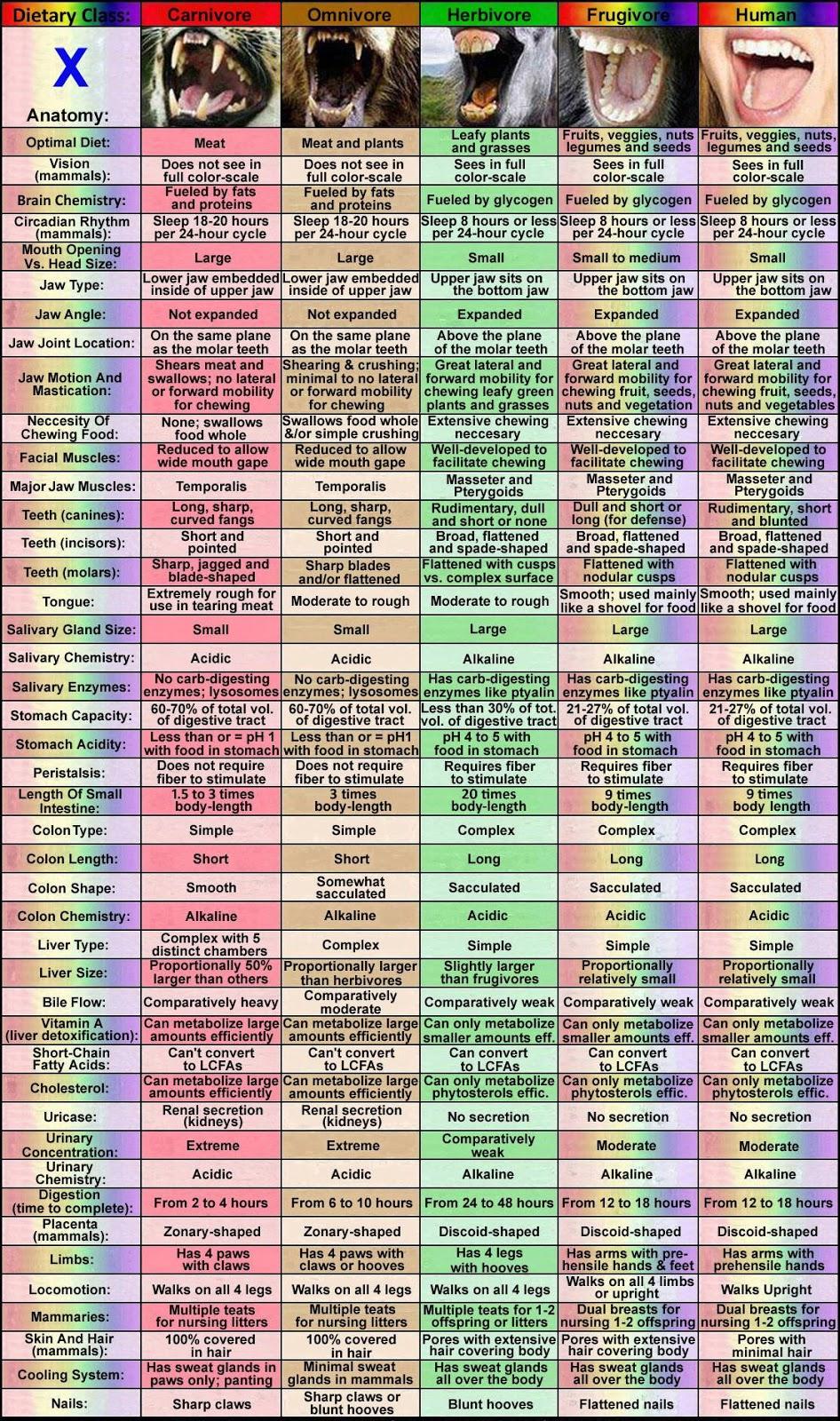
Primates have a hard time producing fat from carbs (a process called lipogenesis), just a few calorie% per day. This, combined with the tiny bits of fat in fruits/insects, we may store as fat tissue.
Here comes ketosis: when we cannot find adequate food supply (starve) we can live off our fat storage, this is what ketosis is for (biologically/evolutionary). It's our starvation mode.
Primates are not made to be in ketosis for long times. We're also not made to eat high fat and/or high protein diets. We're made for a high fruit diet.
Is long term ketosis bad? I believe so, but we still need to do research on this. Many people are trying it on themselves lately, so we will soon know.
Is short term keto dieting bad? Nope. And it may help you to burn that body fat fast. I'd prefer to get into keto by mimicking starvation, a.k.a. (intermittent) fasting, and not by eating lots of fat/protein.
Is eating lots of animal products bad for you? Yes. It's been shown again and again in large studies that humans do better on predominantly whole plant foods.