Hacker News new | ask | show | jobs
by cies 2163 days ago
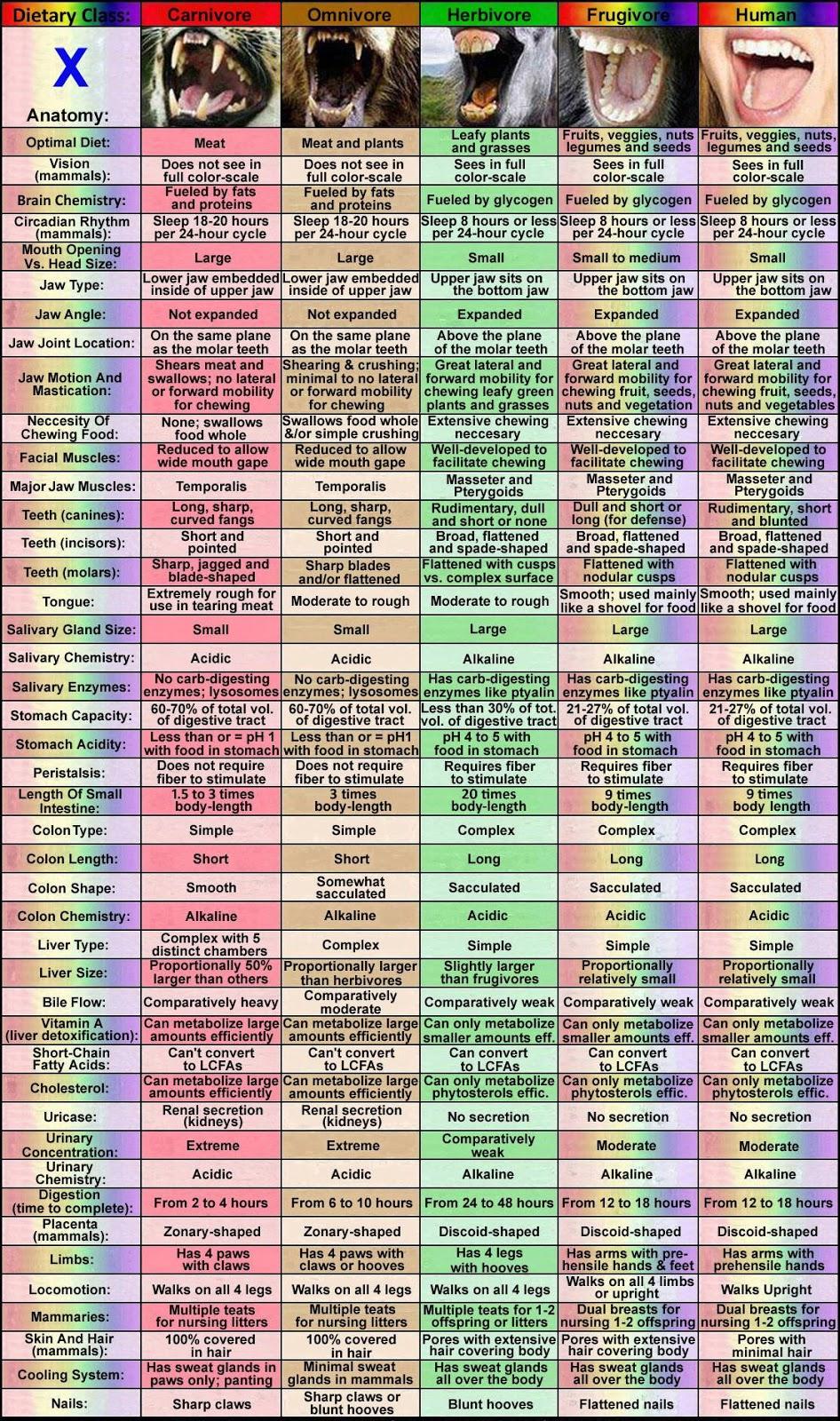
Our bodies are primate bodies. Primates are frugavorian omnivores (get most calories from fruit, and eat very little animal tissue (mostly insects)). Fruit contain mostly carbs: short carbs a.k.a. sugars. We're optimized for eating lots of sugar.

Primates have a hard time producing fat from carbs (a process called lipogenesis), just a few calorie% per day. This, combined with the tiny bits of fat in fruits/insects, we may store as fat tissue.

Here comes ketosis: when we cannot find adequate food supply (starve) we can live off our fat storage, this is what ketosis is for (biologically/evolutionary). It's our starvation mode.

Primates are not made to be in ketosis for long times. We're also not made to eat high fat and/or high protein diets. We're made for a high fruit diet.

Is long term ketosis bad? I believe so, but we still need to do research on this. Many people are trying it on themselves lately, so we will soon know.

Is short term keto dieting bad? Nope. And it may help you to burn that body fat fast. I'd prefer to get into keto by mimicking starvation, a.k.a. (intermittent) fasting, and not by eating lots of fat/protein.

Is eating lots of animal products bad for you? Yes. It's been shown again and again in large studies that humans do better on predominantly whole plant foods.

5 comments

> We're optimized for eating lots of sugar.

Not even sure how to respond to that one. American diabetes rates?

> Primates have a hard time producing fat from carbs

??? carbs -> glucose -> insulin -> increased lipogenesis. Carbs are _better_ than protein or fat at producing bodyfat.

> Is eating lots of animal products bad for you? Yes. It's been shown again and again in large studies that humans do better on predominantly whole plant foods.

In large, observational studies with innumerable co-founding factors, including lumping regular meat (a steak) in with highly processed meat (mcdonalds burger).

I agree with the whole food part, and plants can be good, but exclusion of unprocessed meat is not proven to be any more healthy.

You also self describe as vegetarian in your profile, and ketogenic diets often include meat.

I was vegetarian for 10 years and tried a beef only diet for my immune problems.

I was told that I would have trouble digesting meat again but to my surprise, it was much easier than usual, and I felt great the whole day (also actually felt full for like 6-8 hours after a meal).

Then gradually reintroducing foods one by one helped me pinpoint the culprits.

I agree with a lot of what you said - I mean this with the highest degree of respect - but I've noticed a certain strain of assertions here that throws off alarm bells. Do you have some resources on this "frugavorian" thing?
“Nonhuman” primates, it says.

It’s pretty clear that humans haven’t eaten a primarily fruit based diet in a very long time. It’s likely that moving away from that diet predated changes that made us human.

you could certainly make the argument that most humans haven't a primarily fruit based diet for a while (although evolutionarily it really hasn't been that long) but that doesn't change the fact they are our closest ancestors and the way our bodies are built STILL very much mirror those of primates which means they, in many ways, still work as theirs did. It's not like we have evolved entirely different digestive systems or something. Essentially everything is the same (which again makes sense as evolution is a VERY slow process)
Gorillas digestion is based primarily on fermentation of plant fiber, which is why they have a huge gut. Humans have an acidic stomach environment which doesn’t digest fiber at all. A small amount of fermentation happens in the human gut, but it can only produce a few calories a day.

Evolution has changed us considerably in the last couple million years.

We may be closely related genetically to gorillas, but our digestion is probably closer now to a dog’s than a gorilla’s.

Notably if you want an example of a primary ketosis digestion look at cats, who have kidneys overclocked enough they can drink sea water (but shouldn't because they are stressed enough as it is), and may suffer ammonia poisoning if given meals deficent in the right ammino acids to prevent its build up.

We aren't anywhere close to redesigning ourselves to change things around but it is important to realize that "good" and "bad" aren't intrinsic but contextual in medicine, the dose makes the poison and all.

> it is important to realize that "good" and "bad" aren't intrinsic but contextual in medicine, the dose makes the poison and all.

Exactly. And the article is advocating eating mainly animal products. That's a huge "dose", and while not medicine (but nutrition), I'd say this is a very dangerous diet to advocate. Especially since this is very far away from out "roots" (we're not carnivores, and we're not even close).

> We're made for a high fruit diet

Yeah, sure, we’re made to primarily eat something you can’t find for 9 out of 12 months. How do you keep believing this crap?

> Yes. It's been shown again and again in large studies that humans do better on predominantly whole plant foods.

No, it really was not. Any research you link to will be riddled with problems like measuring the wrong thing or affected by heathy user bias. Just because it confirms your belief doesn’t make it a good source.

There are a lot of assertions in what you said, some pointers to resources where one can learn more would be useful.

In particular the Homininis have separated from the Gorillinis around 6-8 million years ago. In that time, lots of things could have changed in our physiology.

This is not a very long time in evolution. We may have "adapted" to deal with more animal products (meat/dairy/eggs): those that did not take this food very well have had less offspring and now we're generally more adapted to it (though lactose intolerance is still huge in humans).

But evolving to thrive on diet that's so far off what we started with will take much longer.