:P Ouch, going right for the partisans. Presidents are important people, but they are a lot more reactive than is generally accepted - what about the theory that Reagan was reforming economics in response to some deeper underlying problem [0]?
So the implication is that Reagan instituted broad and substantial tax reduction for the rich in combination with the institution of enormous federal deficit spending in order to offset rising oil consumption following two oil crisis the previous decade?
We saw how oil turned out in the long run. Reagans policies, if anything, only gave dictatorships another two decades of unmitigated dominance in an industry we have seen the US itself rapidly commercialize internally. Most US consumed oil is now domestic, and most of the growth happened in the rebound from the 08 recession. I'd be really interested in comparing the economic policies of how Reaganomics protracted foreign dependence while the late Bush / Obama era bailouts and recovery stimulus somehow exploded the domestic market.
Or that neither of those had anything to do with oil, and that the development of the market and industry as a whole was detached enough from federal law of the US that neither president is responsible for anything in that regard.
The theme I'm replying to is 'Regan's stated policy objectives were implemented in the 70s and were probable causes of rising income inequality'. Maybe policy settings were twiddled, but the sudden stoppage of growth is probably linked to resource growth tapering off. In a counterfactual scenario where some other set of economic policies were in place, you'd probably have seen income growth trail off regardless.
The 'fix' could well be rich people being worse off, not poor or middle income people being better off. Not much of a solution, that.
A fun thought experiment, there are some good answers to this: at the end of the day, a different policy would be redistributing something real away from the rich. That wouldn't be food (rich people eat as much as everyone else), so what would it be? That is to day, what exactly are the rich securing that is unfair? (money isn't a valid answer, the answer is what the money is then used to buy)
The answer is that if everything were the same but the rich had less money, is that the rich would be less in a position to capture the regulatory framework and tilt the playing field in their favor. Eg maybe without trickle-down, the factors that compounded into the Citizen's United decision would have fallen the other way, etc.
But go deeper than even that and determine what is the crux of the unfairness. How are the rich securing a larger percentage of the growth unfairly? If everyone is getting richer, but the rich are doing it faster, what are they doing to capture that excess? Isn't the answer "investing in the economy?"
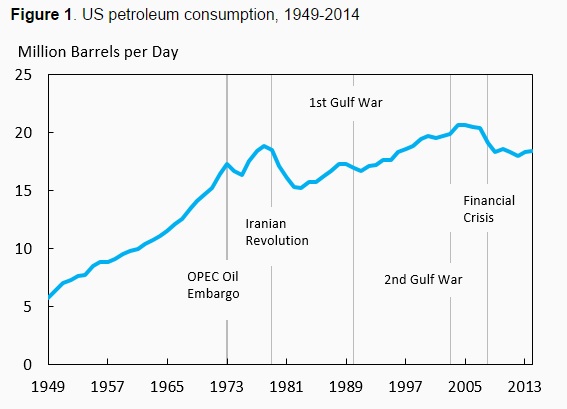
We saw how oil turned out in the long run. Reagans policies, if anything, only gave dictatorships another two decades of unmitigated dominance in an industry we have seen the US itself rapidly commercialize internally. Most US consumed oil is now domestic, and most of the growth happened in the rebound from the 08 recession. I'd be really interested in comparing the economic policies of how Reaganomics protracted foreign dependence while the late Bush / Obama era bailouts and recovery stimulus somehow exploded the domestic market.
Or that neither of those had anything to do with oil, and that the development of the market and industry as a whole was detached enough from federal law of the US that neither president is responsible for anything in that regard.