|
I agree that it's impossible for the rates of economic growth and lifestyle improvements we saw since the late 1800s to continue indefinitely, but the key to growth is investment. And from the late-1800s till the mid-1900s, there were huge government investments made in building new and innovative infrastructure in the US--railroads, the phone network, state universities and K-12 public education, electricity generation and distribution, highways, airports. Those investments in common infrastructure allowed private investment to piggyback and provide the enormous success the US economy has had in the time detailed. But today, we've forgotten the formula. Education funding is falling, basic maintenance isn't being performed on much of the infrastructure, and we aren't investing enough in the new things that can provide growth for the next hundred years. High-speed and light rail could help address the limits of airport and highway capacity, and provide better mobility in and between cities. Investing in clean electricity generation, a national power network, and improved battery technology could revolutionize how our homes and cars get their power. Very-low cost higher education was a thing in mid-20th-century America--it was possible to attend your in-state university for a few thousand bucks in today's dollars. What happened? As long as we pretend these things are too expensive to invest in, then we're sure to enter a long slow decline. |
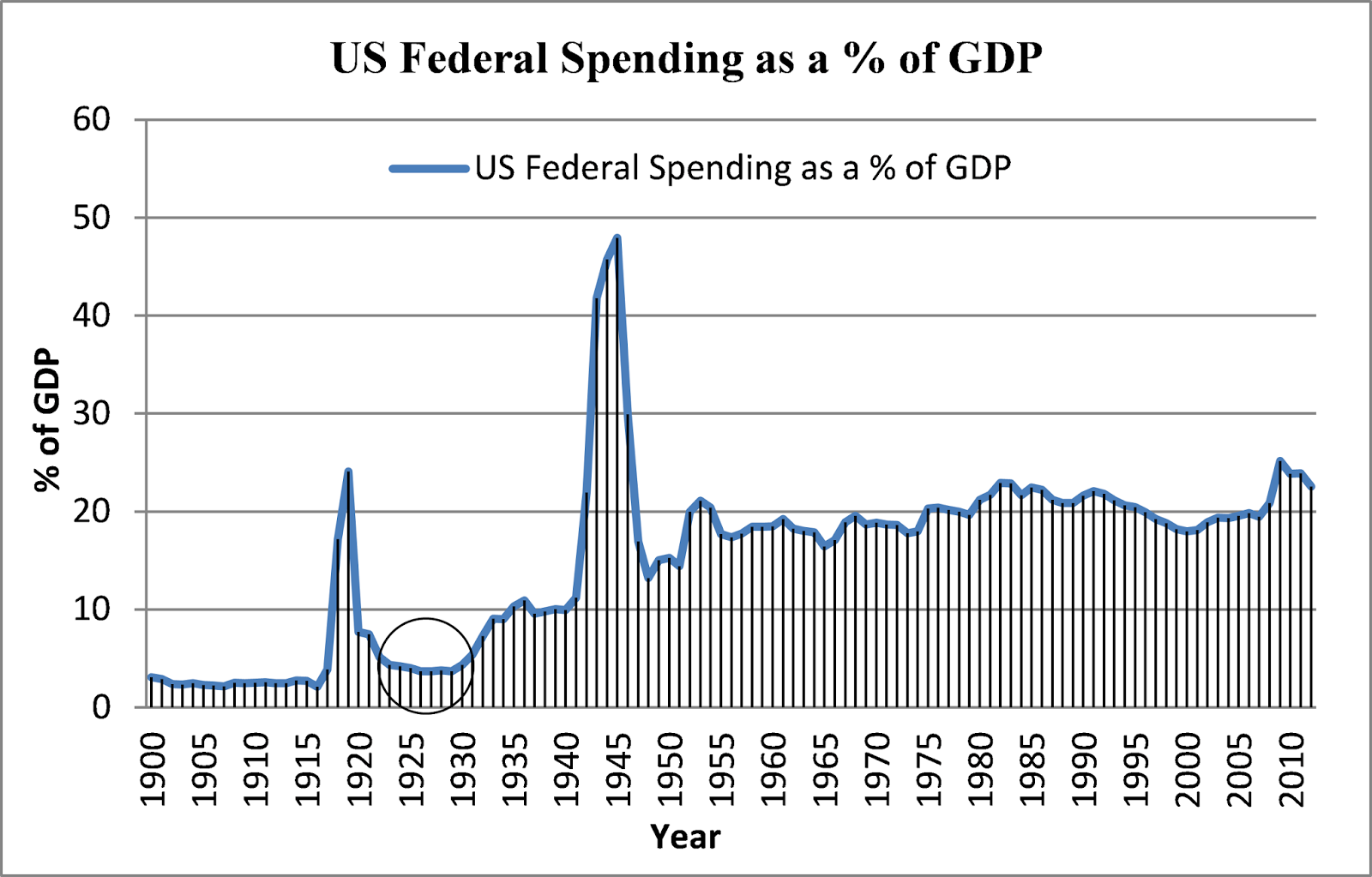

I'll go on the Marxist side of things and say that "quantitative differences have turned out into qualitative ones". What I want to say is that scale matters. Regarding investment in higher-education, it was relatively ok and feasible to give Government subsidies for all the students attending university when only 1%-2% of the students finishing high-school were going to university (I think that happened up until the mid-50s, but maybe I'm wrong), but once you've got 30-50% of the students finishing high-school going to university then the money just isn't there anymore.
And to add to that, it always baffled me how Malthus's name has always had such a bad reputation. The economics for handling a planet inhabited by 1.5 billion people in the late 1800s (we only reached 2 billion people in 1927) are totally different from the economics of a planet inhabited by 7+ billion people, going on 10. Our resources are finite, no matter how much we try to hide it.