|
|
|
|
|
|
by vec
3628 days ago
|
|
|
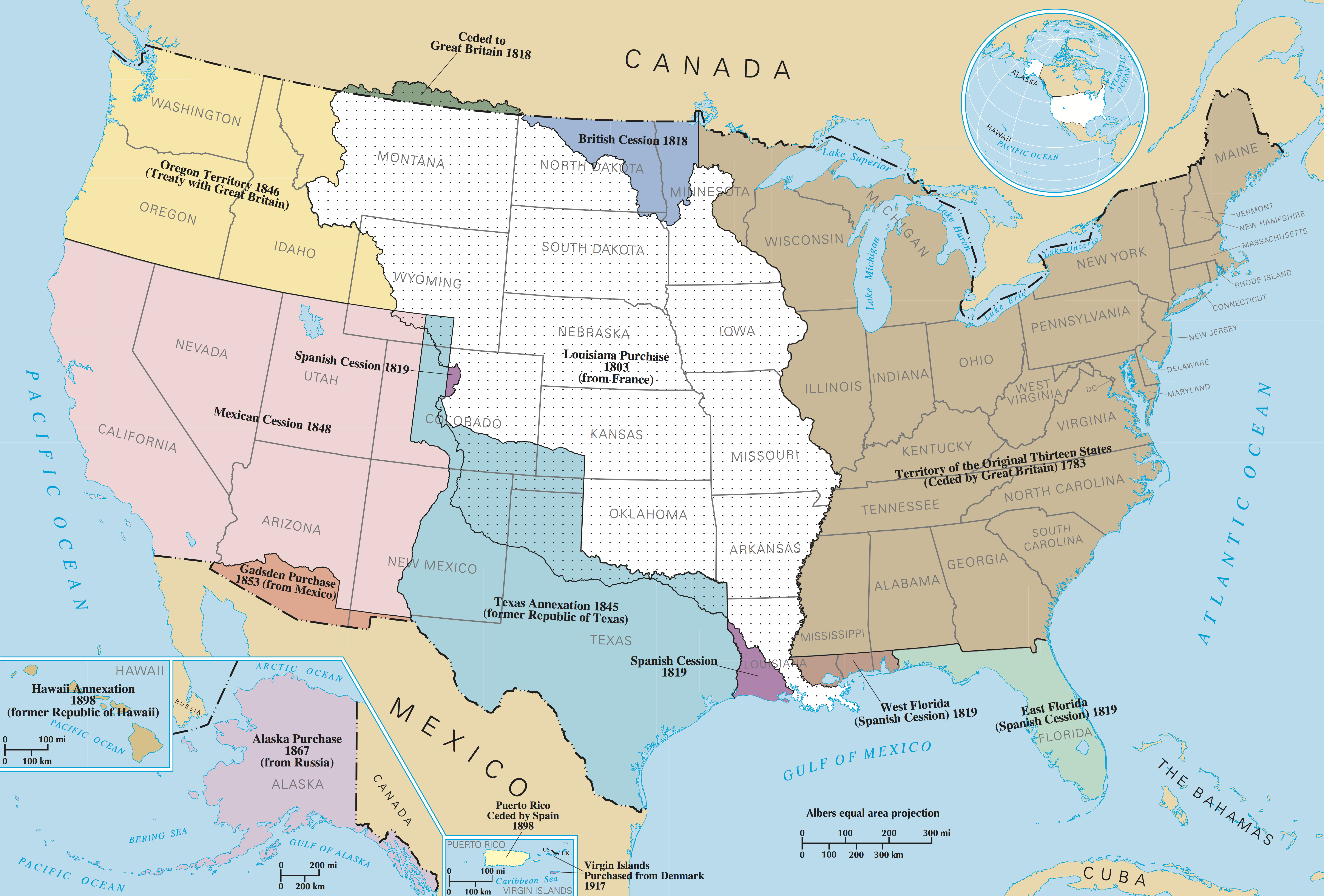
Long, straight lines for borders usually imply that the territory through which they are drawn was neither well explored nor terribly important to the people drawing them. Sometimes that's because the territory is mostly uninhabited and nobody really has a strong claim to want their particular patch of land to be on one side or the other, but frequently its because the mapmakers either don't know or don't care about the cultural affinities and loyalties of the people who live on or near the proposed border. This is one of the main reasons why a lot of central Africa is a shit show politically. Most of the modern borders were drawn during the colonial era without much consideration as to which tribes and city-states ended up in which countries, so there's not a strong relationship between "nations" (i.e. culturally similar groups of people) and "countries" (i.e. demarcated stretches of land) like there is in most of the rest of the world. |
|
|
Speaking of West Africa, you don't really have to think hard to figure out why Gambia's borders were drawn the way they were.