|
|
|
|
|
|
by jen20
3670 days ago
|
|
|
I've never met a single person who understood what they were talking about and referred to a "UNIX kernels". It may be true that Linux was once less advanced than NT - this is no longer the case, despite egregious design flaws in things like epoll. It has simply never been true (for example) for the Illumos (nee Solaris) kernel. |
|
|
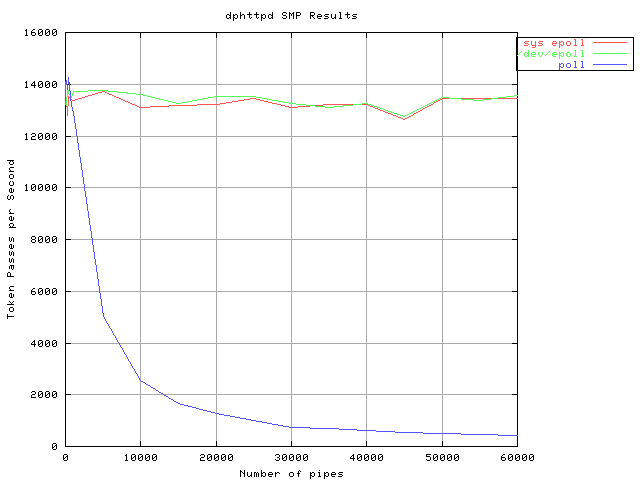
I know there are lots of file descriptors not usable with epoll or rather async i/o in general and that sucks (e.g. regular files).
For networking, I find epoll/sockets nicer to work with than Windows' IOCP, because with IOCP you need to keep your buffers around until the kernel deems your operation complete. I think you have 3 options:
1) Design the whole application to manage buffers like IOCP likes (this propagates to client code because now e.g. they need to have their ring buffer reference-counted).
2) You handle it transparently in the socket wrapper code by using an intermediate buffer and expose a simple read()/write() interface which doesn't require the user to keep a buffer around when they don't want the socket anymore.
3) You handle it by synchronously waiting for I/O to be cancelled after using CancelIo. This sounds risky with potential to lock up the application for an unknown amount of time. It's also non-trivial because in that time IOCP will give you completion results for unrelated I/Os which you will need to buffer and process later.
On the other hand, with Linux such issues don't exist by design, because data is only ever copied in read/write calls which return immediately (in non-blocking mode).