|
> Escher was reviled by the other artists of his day because they regarded his work as revoltingly ugly. I think this is still true, or at least aesthetic objections remain the principal rationalizations for deprecating Escher that I hear from the artists in my life. My wife and I live in The Hague. She's an illustrator and photographer from a family of artists: her mother, a painter and now an art therapist; her sister also an art therapist; her father, an abstract painter. (Not as hobbies, or idle trustafarian pursuits, these are their real livelihoods.) When her family comes to visit, "going to see the Escher museum" is a recurring joke, as in "ha ha, never going to do that." Whenever I ask why, the mumbled complaint is usually "it's ugly and boring." Really, 'reviled' remains the right word. I think it's snobbery, to a great and unacknowledged degree - the visual art equivalent of "genre fiction" in the literary world. The problem I have with lumping Escher with hack painters of cowboys and motorcycles, or airbrushers of vans as "unserious art" is that it ignores his innovations in subject, form, and style and mastery of technique. But then, the "serious" art world of the west is very much a class construct of which snobbery is essential part. |
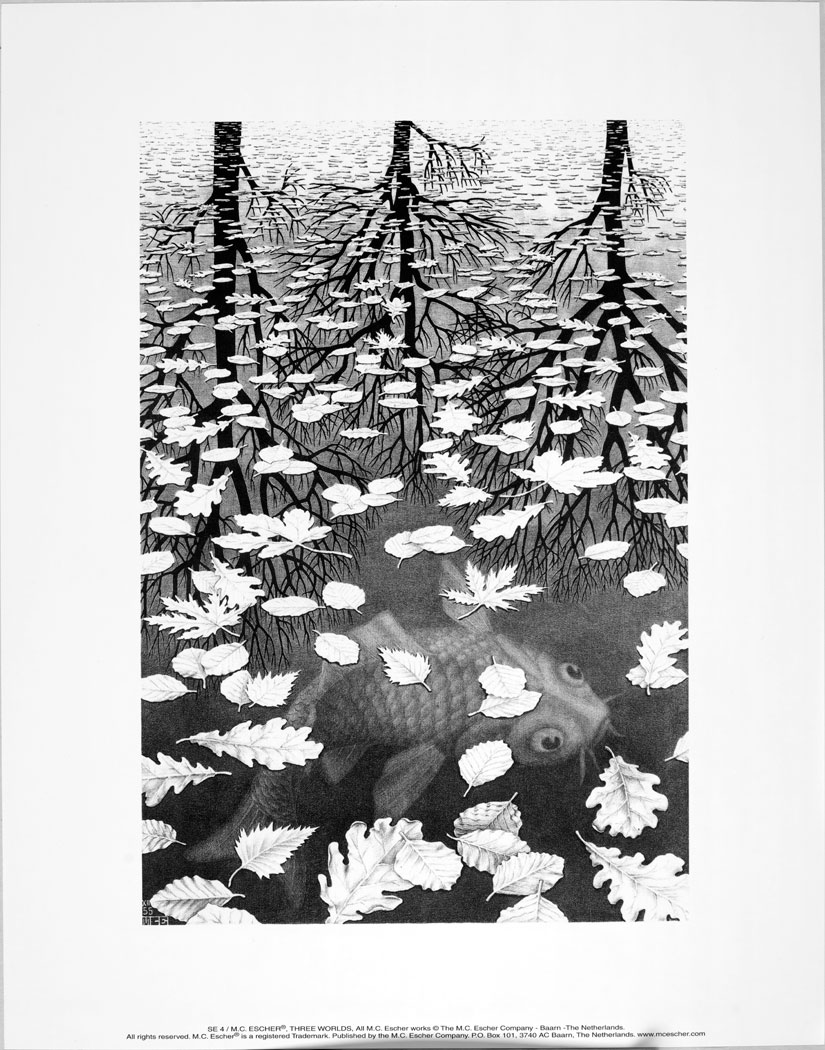
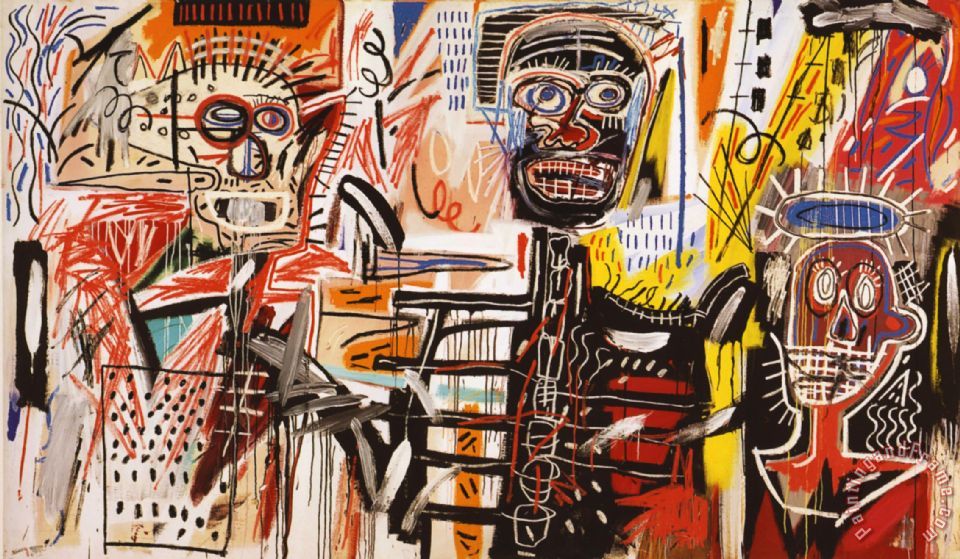
Isn't real art messy? Escher isn't messy.
But it's one hell of a trick. The math is more complicated than it looks, the draughtsmanship is incredible, and there's real mood and atmosphere.
I wouldn't say it's ugly or revolting. I would say it's unique. It's a new visual language, and no one has ever copied it successfully.
But I could be biased. I'm an artist, I work with code and math, and I can appreciate the technique and the content.
Artists who hate code and math probably don't get it at all. If all they see is some monks climbing an infinite staircase then yeah - that's going to seem gimmicky and boring.