|
|
|
|
|
|
by cgjaro
4343 days ago
|
|
|
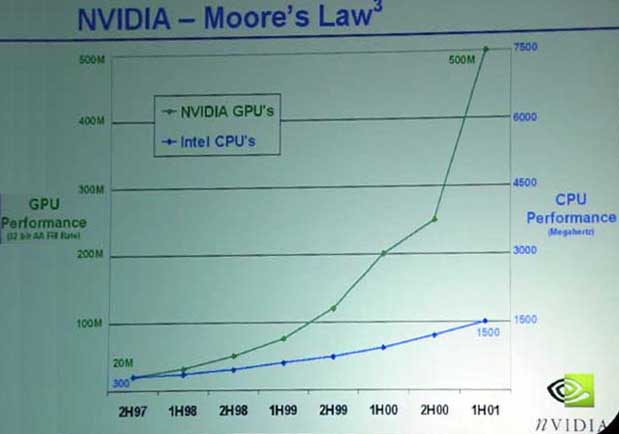
I don't know if "10 years" falls in your definition of "next few years". For a viable rogue CA attack, you need a chosen-prefix attack. Current best research (https://marc-stevens.nl/research/papers/EC13-S.pdf) shows it should take 2^77.1 SHA-1 compression calls to do a chosen-prefix attack. Say this is improved to 2^65 within the next 10 years. Right now a good GPU (AMD R9 290) can do 3 billion SHA-1 compression calls per second. Say Moore's Law continues for the next 10 years and that 10 years from now a GPU can do 20 billion SHA-1 per second. So 10 year from now, 100 high-end GPUs should be able to produce a rogue CA with colliding SHA-1 signature in 7 month of compute time. Change one little assumption and assume the best attack ends up being 2^60 instead of 2^65. In this case, a viable attack could certainly be carried out in the next 3-4 years. You can't cross your fingers and hopes such an attack will not be discovered. The time to abandon SHA-1 is now. |
|
|
Secondly, multiple sha1 ASIC exists.
Thirdly, WebGL has made it trivial to gain vast GPU resources. 20,000 viewers for two hours can be bought for $20.
Fourthly, I don't care.