|
|
|
|
|
|
by rimantas
4519 days ago
|
|
|
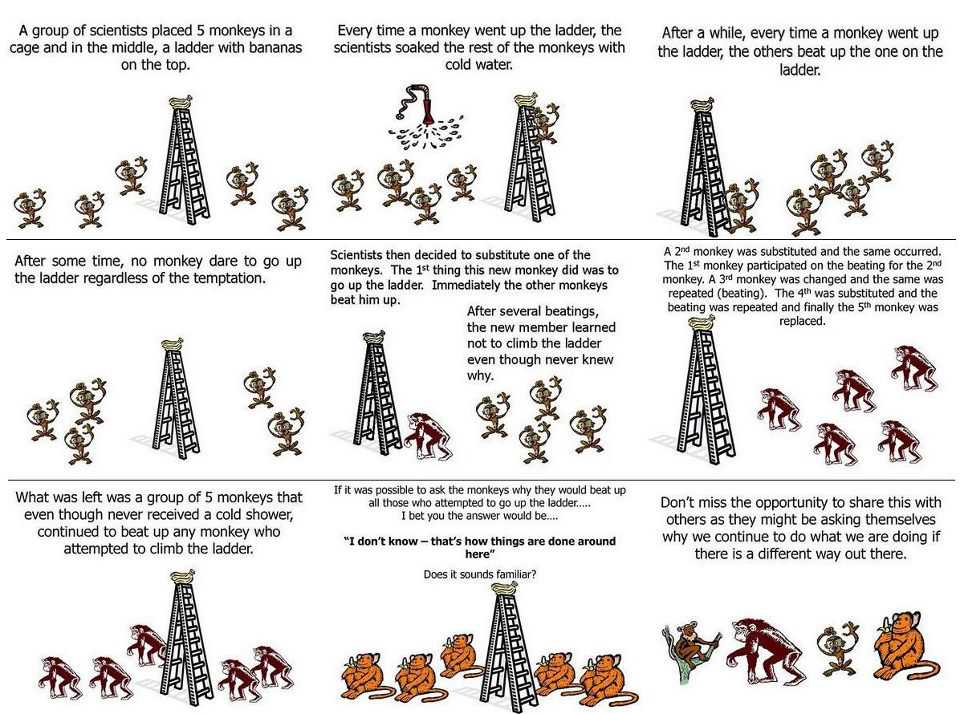
You are not alone. I blame PC, overprotective upbringing and "I am offended by that" trend. As soon as some subject becomes taboo to discuss people lose the understanding why something is bad and start to treat everything related as bad and unacceptable. Reminds me of this: http://i.snag.gy/kdu77.jpg (doesn't matter if experiment was real or not). This is very prominent with sexism and racism—these words are losing the meaning really fast. Now merely acknowledging someones race is called racism. Same goes for gender. And god forbid you find someone attractive. I really don't get what kind of society these people want. The one where everybody walks covered in burqas?
You are not allowed to look at attractive person—you will offend them. I wonder how soon a simple glance will accepted as a kind of sexual assault.
You are not allowed to approach the person you like—it will be "unwanted advances". It's "damned if you do, damned if you don't" situation. If woman will say that it makes her feel good when she senses attention she will be explained, that's just because patriarchal society made her to feel this way. More often than not those explaining will be males, ironically. What a terrible society to live, luckily it will die out soon for the lack of reproduction. As for this story: it has nothing to do with sexism. Nothing at all. Actually the real sexists are the ones who think all this happened because of the sexism.
Guys (and girls): these issues are much much more complex and deserve to be treated with much more respect instead of rubber stamping like it is common now. Women and non-white people can be assholes too and I would like to retain the right call them as such without being accused of sexism or racism.
Though this right might be long gone.
Quite often it is a fun mental experiment to reverse the genders or races and think how vastly different reactions would be (if there would be any). Imagine that black person says: "I am proud to be black!". Now imagine that the white person says "I am proud to be white". Now throw away you knee-jercky reaction and think about it. |
|
|
I thought about it, and here's what I found: The different reactions which those two assertions may elicit depend crucially on different shades of meaning of the word "proud" which come into play, depending on the colour of the person who says it. These different meanings come into play because of the history of oppression associated with these colours; we don't (usually) think in a vacuum. To make this clearer, consider the following, slightly modified thought experiment:
Imagine that a black person says: "I am not ashamed to be black!". Now imagine that a white person says "I am not ashamed to be white!". How strong is the knee-jercky reaction now? Think about it.