| [Part II] In another comment, Mr Martin suggests that something like a guild system might be an appropriate for software development, and I'm assuming that 8th Light's interest in apprenticeship reflects this line of thinking. This sort of talk is interesting, but runs the risk of sliding toward sub
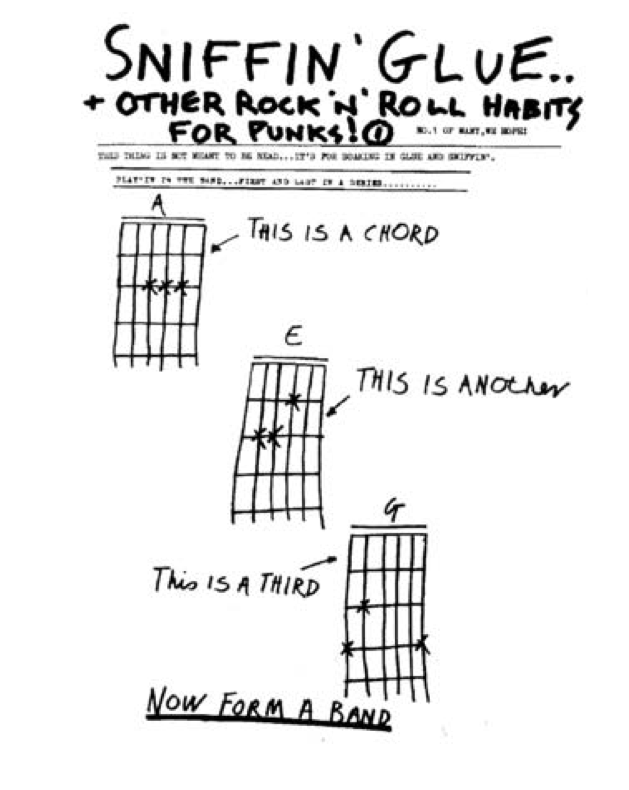
William Morris sentimentality, which would be a shame. As it happens, I know a small amount of economic history that might possibly be helpful. It's fairly obvious that the sort of industrial capitalism exemplified by, say, a 19th Century Lancashire cotton mill doesn't apply very well to software development. The capital costs involved in doing software development can, in extreme, be merely those of a laptop computer and an internet connection. This, I suspect, is what encourages the "rock star" model, which says that if you have some modicum of programming skill, the right idea, the right attitude and a bit of luck, then you too could become rich beyond the dreams of avarice. (See also
http://quantumprogress.files.wordpress.com/2011/06/screen-sh...) Whilst I don't personally find this terribly attractive, is has a certain amount of logic to it. Similarly, if we are to look to an earlier model - master craftsmen and apprentices - then we should look at the forces at play, rather than just the image. One thing to understand about a traditional apprenticeship is that it was a serious commitment. As I recall, a typical period of indenture was seven years. Some of the reasons were economic; I'll give a couple of them. One reason not to rush towards the status of master craftsman was that obtaining that obtaining the tools of ones trade could itself take a very long time. As I recall, the most extreme example of this was with blacksmiths, who would typically have to wait to inherit the equipment they needed. Another reason for the length of indenture was to do with the fact that an apprentice wasn't an employee, and wasn't paid for his labour, but that the master had an obligation to house and feed him. So the cost of the apprentice's labour stayed the same, even though the value of the labour increased as the apprentice gained in experience. Hence it was, in this respect, in the masters' self-interest to have the indenture last a long time. Both the points I've just mentioned suggest a disanalogy more than anything else, and don't really do much to illuminate the contemporary situation. I've got a final point which I think is more telling. As I said, an apprentice wasn't an employee, and an indenture agreement was a mutual bond that carried obligations quite unlike those of a modern employer/employee relation. One of these was that a master couldn't let apprentices go when there wasn't sufficient revenue-generating work to keep them occupied. Even in lean years, a master was still responsible for the apprentices' keep, and they might be kept busy with, e.g., building up inventory in anticipation of future need. (This is, incidentally, one reason given for the decline of this system: masters preferred the flexibility of having hired hands that they only paid for when they needed them.) This contrasts very strongly with a modern corporation that has an obsession with every quarter's bottom line, and a hire-and-fire attitude towards its employees. Quite apart from the effect of this on morale, it potentially impacts skill acquisition: it is a dicey proposition for an employee to invest in skills that tie them to their current employers since they never know when they might have to look for something new. I don't how the tension between the requirements of craft and commercial reality can best be resolved. I don't know if it can be resolved at all. That's OK. Open questions are the interesting ones. Anyway, I've said my thing now. Over and out. |