|
|
|
|
|
|
by LeoPanthera
13 days ago
|
|
|
"If we want to order food in a country where we don't know the language at all, we're forced to go into the kitchen and use a see-and-point interface. With a little understanding of the language, we can point at menus to select our dinner from the dining room. But language allows us to discuss exactly what we would like to eat with the waiter or chef." Ironically, Japanese menus almost universally have pictures of the food, and often (amazingly detailed) plastic models* of the dish in the window. I frequently wish this was adopted by western restaurants, as being surprised by what actually arrives on my plate after I order is a regular occurrence. I'm fully onboard with see-and-point. * https://en.wikipedia.org/wiki/Food_model |
|
|
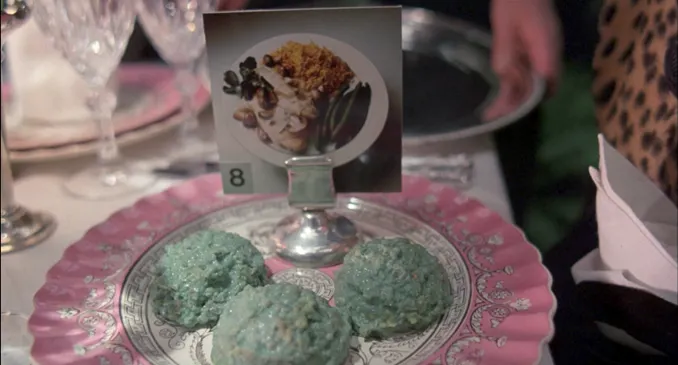
The plastic 3d models are mostly in tourist areas.
There are so many restaurants in Japan (especially sushi, soba, tonkatsu, ramen, and izakaya) that have no images whatsoever. Often a handwritten menu or even wall-mounted menus are all that are available.
It's a confirmation bias thing: people come to Japan and go to restaurants with photos on the menu and food models, they think it represents all of Japan. They don't read Japanese, so they may not even know that they walking past a great restaurant without any food displayed outside nor images on menus inside.