The problem is that there is not enough infrastructure for EVs. If you can't charge at home (e.g. you live in a flat), it is hard to live with an EV and it's much more expensive than the ICE.
I had a rental EV while I was there for 6 weeks last summer, it was a pretty low spec jeep model and I stayed at mates places all over England none of which had parking or charging, to tell the truth charging was a bit spotty in town, but if I was just going around the local area the battery was good for a week or more. My take away was I would definitely rent an EV again, but a lot of the older charging infrastructure still sucks, under-provisioned at peak times, and cost 2-3 times what a similar charge would cost here in NZ. I ended up doing most of my charging at the Tesla superchargers on the motorways and at supermarkets in town. I did 2900 miles total and it was about the same cost as petrol in the end, but worth it as the EV was cheaper to rent and was automatic (which renters charge a premium in UK)
Not sure fast charging all the time is good for battery life though. 99% of my driving in NZ is on a normal 10A overnight charge
Local government can quickly change that, if they get their act together. Here in the Hague, there's literally thousands of public chargers available on the city's residential streets. Coupled with the fact that the charging-price is city-mandated at a fixed rate (currently around 35ct/kwh), this gives a perfectly fine solution for most people. (I can charge at home, for 20ct/kwh currently, so that's even nicer)
Not in the UK. Local governments (councils) are going bankrupt and are saddled with an overwhelming burden to pay for adult and child social care. There's no money for much else
What is actually the realistic cost. Covering infra, the charger and the maintenance of everything involved. Power and transfer included, with transfer including any standing charges. And after that you probably want decent margin to well run the business.
I don't expect 10 thousands of the fast chargers in my town.
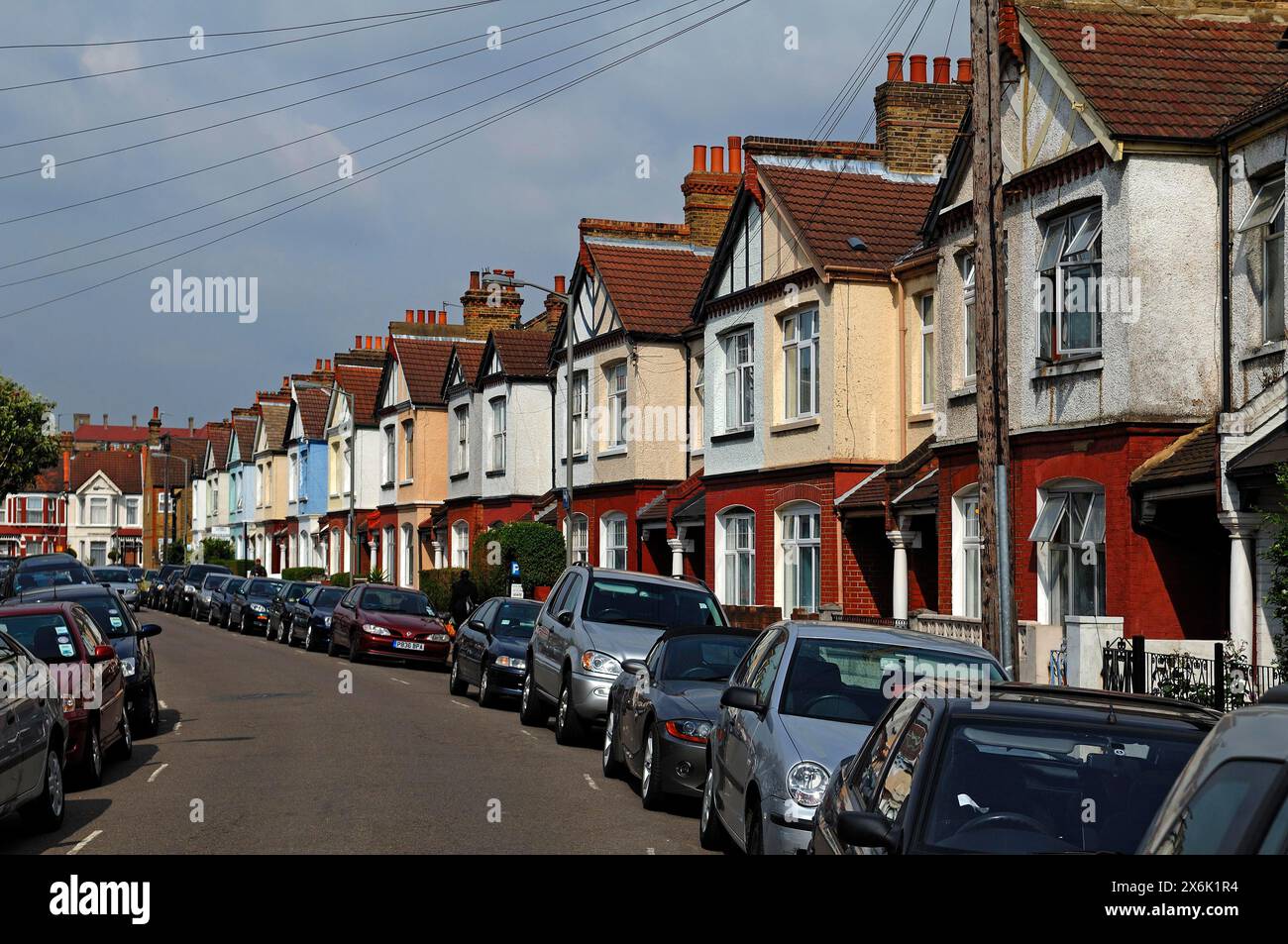
I'd love to have slow chargers built into the street lights. Not everyone owns a house, and the public charging usually meets or exceeds the petrol price per mile.
If you're referring to DC charging it's going to be pretty expensive. The construction and power electronics for a DC station is going to be in the millions.
For AC the rectifier is inside the car and the L2 chargers is just a fancy plug. Price should just be the base electricity cost.
Governments would do better to try to fix the bureaucracy around installing L2 chargers in shared living spaces. It's a problem they created and it should be on them to fix. But it guess that's harder than impossible mandates and high EV taxes.
If a significant percentage of cars start to become EVs then spaces where people regularly park overnight will get chargers because it will allow whoever is operating them to make a bit of money selling electricity. You don't have to be making a huge profit margin to make it worth your while to have people passively buying ~200kWh/month of electricity from you.
The same applies to workplaces, especially if solar causes electricity to cost less during daylight hours, and then it becomes convenient to get an EV if there is a charger where you park at night or where you park during the day.
that would depend on the infrastucture cost to install such charging and to maintain it? This is kerbside slow charging presumably overnight. Note that spaces in these residental areas are typically not even marked spaces; the worst outcome might be losing more footpath space to charging infra for road users.
Non-fast chargers aren't very big. They can be installed in lampposts, or in lampost-diameter boxes sunk into the pavement (with the socket sticking out at the top)
About 65% of homes are owned (either outright or via mortgage), but I can't estimate how many of them have garage or off street/driveway parking they can charge their car on.
There's usually very little of the garage space available.
Electricity is expensive in the UK (~25p/kWh) But not gas car expensive. It is £1.57/L (£5.94/gallon).
The EV infrastructure is also pretty dang far along, especially compared to the US. Remember that everything in the UK is a lot smaller and closer together than it is in the US. Further, the UK has a functional train system for long distance travel. You can go from the top of Dunnet Head to Lizard Point in a 15 hour drive.
People downvoting me, Look up chargers in plugshare to see just how many there are in the UK, it's a lot. And also correct my math if it's wrong. An 80kWh car costs £20 to fill up. A 55L car, which has about the same range, costs £85 to fill up.
Also if you are able to charge at home you can subscribe to a smart tariff that gives you electricity for 4p/kWh overnight. That’s £3.20 to fill an 80kWh battery that on a modern car will take you up to 320 miles.
It's cheaper to purchase new bike/used car, tax and insure it, service and fuel, than to use train to ride to work.
Annual train ticket form my small town (25 miles from the Zone 1 of London) is over £5,500. Five GRAND. For the pleasure of standing every time and a much higher risk of getting mugged.
£15k will give you REALLY nice bike or pretty new car. After third year you're saving thousands. Of course if you decided to buy something old and used, you're saving from the second quarter of the first year on.
It's only functional because not everyone can afford another car to work.
It can be, depends on a lot of factors. Obviously flying ryanair will often be the cheapest way to go, but if you do any sort of other regular airline trains will quickly start to win out.
And it's not as if you can fly everywhere in england. As soon as you start looking at more oddball flights (for example, london to birmingham) ryanair goes away as an option and all the flights end up super expensive.
Trains, on the other hand, remain cheap for pretty much the entire nation. You can basically go anywhere by train for under £60. A lot cheaper if you book in advance.
That is because of the cost structure of trains vs planes. Trains require a huge amount of infrastructure, and have higher labour costs because they are slower (so the same journey means people work for longer).
Another problem is that fuel taxes are a reasonably equitable means of paying for the roads, and EVs don't have that -- the closest would be vehicle miles * weight or some such.
Equivalents of fuel taxes for EVs have been announced recently - charging directly on a per mile basis.
> The rate of tax will be 3 pence per mile for fully electric cars; this is around half of the 6 pence per mile the average petrol or diesel driver pays in fuel duty.
In my state they decided to tax EVs punitively through our annual registration fee. I already pay an additional $200 for my EV registration, which is $50 more than the average ICE driver pays is gas taxes. I drive considerably less than the average TN driver. Next year it will be $274.
At least in the US, EVs are not heavier than the average driver's vehicle, though they are heavier than other vehicles in their class. And practically all consumer vehicles are nothing compared to semi trucks.
that is absolutely not the problem. We have more than enough li, subject to cost of extraction. New chemistries dont even need it. you need to update your talking points.
Not sure fast charging all the time is good for battery life though. 99% of my driving in NZ is on a normal 10A overnight charge