| The issue though is that the UK spends something along the lines of £10-25bn (depending how you count subsidies) a year on renewable. Something like £10bn in direct subsidies via CfD and RO, then another ~£1.5-2bn on curtailment (paying wind farms to turn off), ~£3bn in balancing market costs, and £6bn on transmission upgrade costs (passed back to consumers/businesses) to upgrade transmission for nearly always renewable projects. There's actually a lot of others I think you could attribute to renewables but I could spend all day writing about this. My guess is that £20bn/year is a fair cost overall in subsidy payments. This is clearly not offset by natural gas fuel savings even with elevated prices. The UK IMO made a couple of critical mistakes. Firstly, far too much offshore wind is in Scotland when it should have been closer to population centres in England. A few factors for this but the issue is planning is devolved to Scotland (so they have every incentive to approve as many) but energy subsidies are set by Westminster. By the time UK central government realised this it was too late (or they didn't want to rock the cart for political reasons post/during Scottish independence referendum). We're now having to pay £20-30bn+ to get Scottish wind generation down to England where it is needed (primarily through new 5 (!) 2GW HVDCs from Scotland to England). It would have been far far better just to... build those wind farms closer to England. This would have still required grid upgrades but far cheaper ones (bringing it 100-200km to population centres instead of all the way from Scotland, plus you still need to do the ones in England on top of that for the most part to get it from the HVDC landing sites to the population centres). The second major issue is there is definitely massive diminishing returns from adding more renewables at this point. There's too many renewables on the grid a lot of the time, even if transmission was perfect - supply is outstripping demand. Instead of building more and more generation the subsidies should be redirected towards storage projects. But overall, for the same £20bn a year you could have probably built 5 Hinckley Point C sized 3.2GW nuclear plants concurrently (assuming £4bn a year capex for 10 years). In 20 years you'd have probably 30GW of nuclear built, which should cover nearly all electricity demand in the UK in that time, with very limited transmission costs (existing nuclear plants have good grid connections and you build them close to them). And importantly, you would basically eliminate _any_ dependence on gas from the UK grid. Clearly nuclear has risks in project delivery, but at least it's reliable once built. |
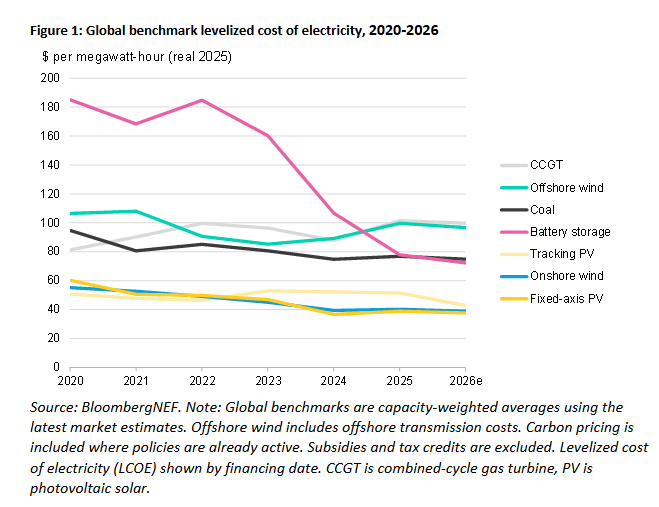
There's also subsidies for fossil fuels to consider [0]. I don't hold these figures as gospel, but there's inarguably a massive amount of money going to propping up the (wildly profitable and hugely destructive) industry that's causing most of your raised issues in the first place - either through reduced maintenance and infrastructure investment (gotta get those shareholder returns) or lobbying/public influence campaigns.
To be clear - I absolutely agree with most of your complaints. I just see them as issues caused/exacerbated by entrenched political players, and I think the benefits to our society of getting off our fossil fuel addiction are worth the costs of modernizing our infrastructure for the long haul.
[0] - https://www.theguardian.com/environment/2023/mar/09/fossil-f...