| Wow. It's like your reply is doing an impression of IPv6! (I'm just teasing. I hope you are having a happy new year.) Not GP, but: > What happens when multiple devices in your /8 want to listen on port 80 and 443 on the public address? Only one of them can. Now you're running a proxy. I don't want any of my devices listening on the public address, much less multiple. > It's called a firewall. You want a firewall. IPv6 also has a firewall. NAT is not a firewall. NAT is usually configured as part of your firewall, but is not a firewall. That's a non sequitur. I can have a both a firewall and a NAT. The two layers are better than one because at least my address is shouldn't be routable even if I failed to configure my firewall correctly. > DHCPv6
Okay? DHCPv4 > What are you supposed to do with a /8? Do you have several million computers?
That's GP's point. Running out of address space is not a problem even on IPv4 with NAT. > What happens if your ISP changes your IPv4 address?
Well, an ostensible advantage of IPv6 is publicly routable addresses. I know how to configure my internal IPv4 network with host table entries and so on. If I move to IPv6 then my "internal" network address space is at the whim of my ISP. |

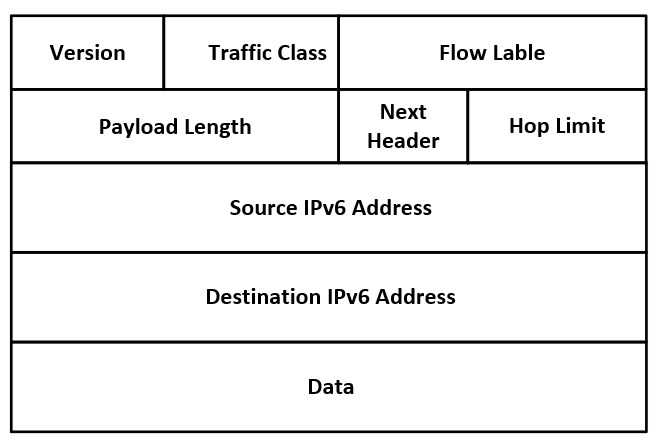
I can't argue with sticking on IPv4 when you have no need for IPv6. However, people saying no NAT means no firewall really bothers me because it's just wrong and usually gets thrown around as part of a point around "who needs IPv6 anyway".
The two layers IMO don't make a practical difference. A deny by default firewall will fail closed, unless poorly configured. A poorly configured firewall for IPv4 with NAT can still leave machines exposed. This is not an IPv4/IPv6 problem this is down to your router. However you do expose what used to be private addresses with IPv6, but there's not much to do with the address that couldn't be done with your IPv4 address assuming sane firewalls that both stacks run.
On the other side of the coin IPv6 being ubiquitous would make my life much easier. I self host a few things across a few different machines. IPv6 offers me a much simpler solution, both to managing firewalls and not needing to fight over port 80/443, but also because I can't get a public IPv4 address from my ISP without spending ungodly amounts of money. They support IPv6 but many of the services I host don't support it. I have to use a second site + machine, wireguard tunnels, and nginx socket proxies to expose stuff publicly (this is cheaper than the public IPv4 address from my ISP).
My point about DHCPv6 is to say that if you want to use DHCP in IPv6 you can. It's right there, it's just not the default.
IPv6 doesn't make things substantially harder, just different. But people don't want to learn new things because, to be fair, they don't need them. But people who do need IPv6 are stuck behind garbage ISPs and this "not my problem" attitude throwing around ignorant arguments. Complaints about long addresses really get me too :), use a DNS.