|
|
|
|
|
|
by peterbecich
219 days ago
|
|
|
Speaking only of the financial aspect, not any other ethical issues: Those end-of-life patients paid into the system, earlier in their lives, financing the cost of earlier generations of end-of-life patients. It would be unfair to change the social contract now. In my opinion, it is no different from how adult taxpayers finance public education for children. It is a rolling responsibility from generation to generation. You may be able to alleviate this financial issue (and not any other ethical issues) by phasing-in this policy change with the youngest generation of Medicare taxpayers, somehow. |
|
|
> In my opinion, it is no different from how adult taxpayers finance public education for children. It is a rolling responsibility from generation to generation.
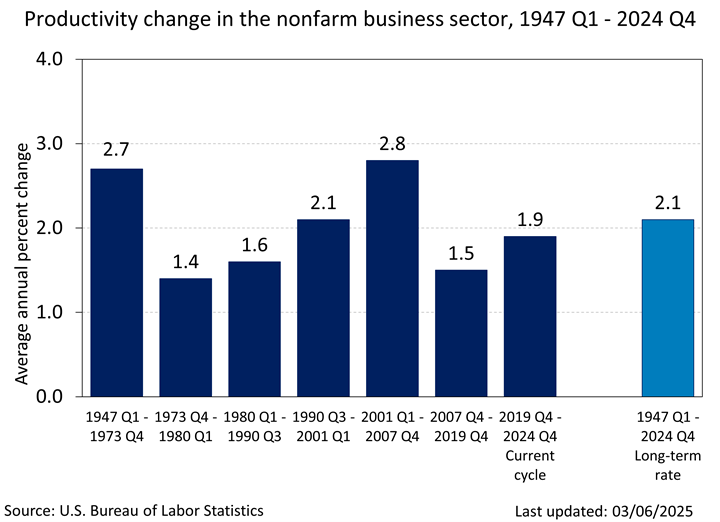
This hits upon the core issue: the next generation is substantially smaller than the last and relative costs have ballooned due to greater availability of therapies. The generational contract is that you pay your taxes a percentage of wages -- in effect, a PAYG mechanism. If wages do not rise sufficiently to cover increased costs, that does not imply that the generational contract was unfulfilled; the taxes were paid.
The demographic pyramid and weaker than necessary wage growth really renders the care demanded burdensome to the point where we have already provided elderly cost advantages in insurance in the form of cost premium multiple maximums and medicare from payroll taxes while beggaring the rest of the population in the process.
> In my opinion, it is no different from how adult taxpayers finance public education for children. It is a rolling responsibility from generation to generation.
Fundamentally, children are an investment. They produce cash flow (taxes) from increased public health. The end-of-life are not; by definition, they will be dead soon. It's a horrible thing to say, but in the face of ever increasing elder care burdens and weak public debt/gdp ratios, what real choice is there?