Hacker News new | ask | show | jobs
by jacquesm 224 days ago
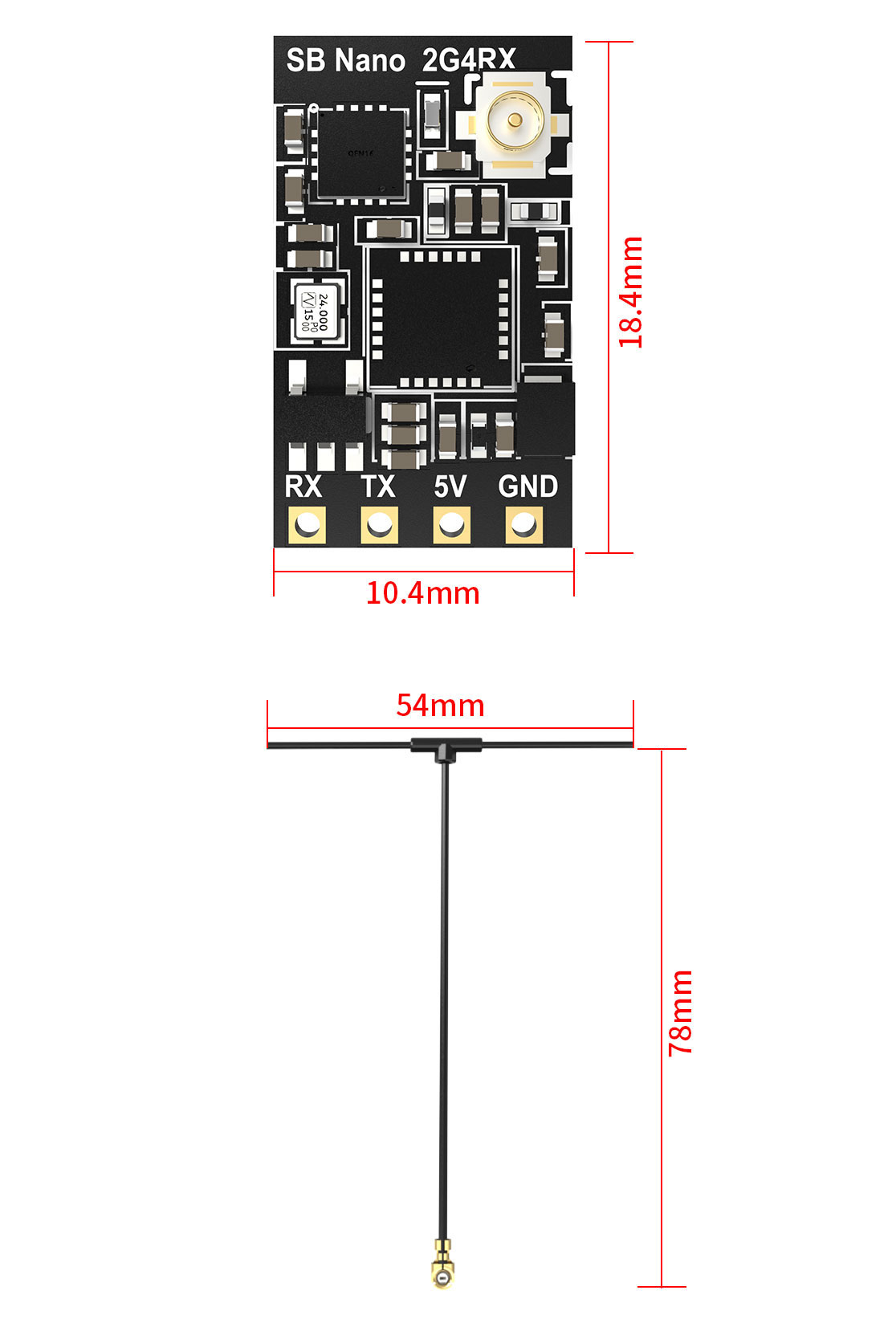
What really blows me away is the range that you can achieve with almost no power on tiny little antennas. For instance, ELRS uses a transmitter/receiver that is less than a gram, that can keep a link with a drone alive across 30 km or even more. And the antenna is so small you might toss it away with the packaging if you're not paying attention.

One example:

https://rcmaniak.pl/userdata/public/assets/images/SpeedyBee/...

Oh, and it also speaks WiFi, just in case and it has its own little onboard computer and a web server.

3 comments

I use this one, with an onboard antenna:

https://imgaz.staticbg.com/thumb/large/oaupload/banggood/ima...

It's a centimeter on a side, and easily goes more than 10km. It's just mind-blowing that this exists. 0.9 grams, IIRC.

Wow, that's an even better example. I already have a hard time finding the radio sometimes, and need to put on my glasses, with that one you need tweezers to mount it :)

I ran into your tuning tips page the other day by way of a random search!

Oh nice, I was hoping they'd be useful to someone!

With that radio, I just use a drop of hot glue on the fuselage, and it works great! Plus, it's easy to find then :P

I'm having a devilish time tuning a drone using Inav, I've read through a mountain of documentation and tried a whole pile of things but so far it has not led to a breakthrough, just gradually increasing insight. Oh well, better to keep plugging away at it :)
Let me know if you need help, I've done it a few times.
I used to follow the balloon projects that hams would launch. A mylar balloon with a tiny 50 milliwatt transmitter and GPS, solar powered on the 10Mhz band tracked thousands of miles away.
Yep, its called LoRa.

Ive been able to decode as low as -26 SNR.

Theres LoRa chips for 2.4GHz, 900MHz, 868MHz, 433MHz, and 144MHz.