This is slowly happening for various types of plastic. We have discovered some PLA-eating bacteria in Asian forests (PLA is "biodegradable", but usually not meaningfully at room temperature), PET-eating bacteria in the ocean, and apparently some bacteria that can degrade polystyrene and polyethylene
But each of them only works in certain environments. Just like wood is very biodegradable, but if you keep it dry you can build wooden structures that last centuries
Keep it dry or keep it wet. It's the alternating condition that makes wood desintegrate because then bacteria have both food, themselves and water to work with.
The wooden posts under buildings in Amsterdam famously stood for centuries, until the water table was changed a few times in a row and then rot set in.
Indeed, if it is just saturated in an oxygen poor environment it will last for a very long time. As soon as you expose it to air it starts to rot, and pretty quickly too. This effect is compounded by the mechanical effects of repeatedly shrinking due to drying out and then re-absorbing water again until the wood is saturated.
More than you probably ever wanted to know about this subject:
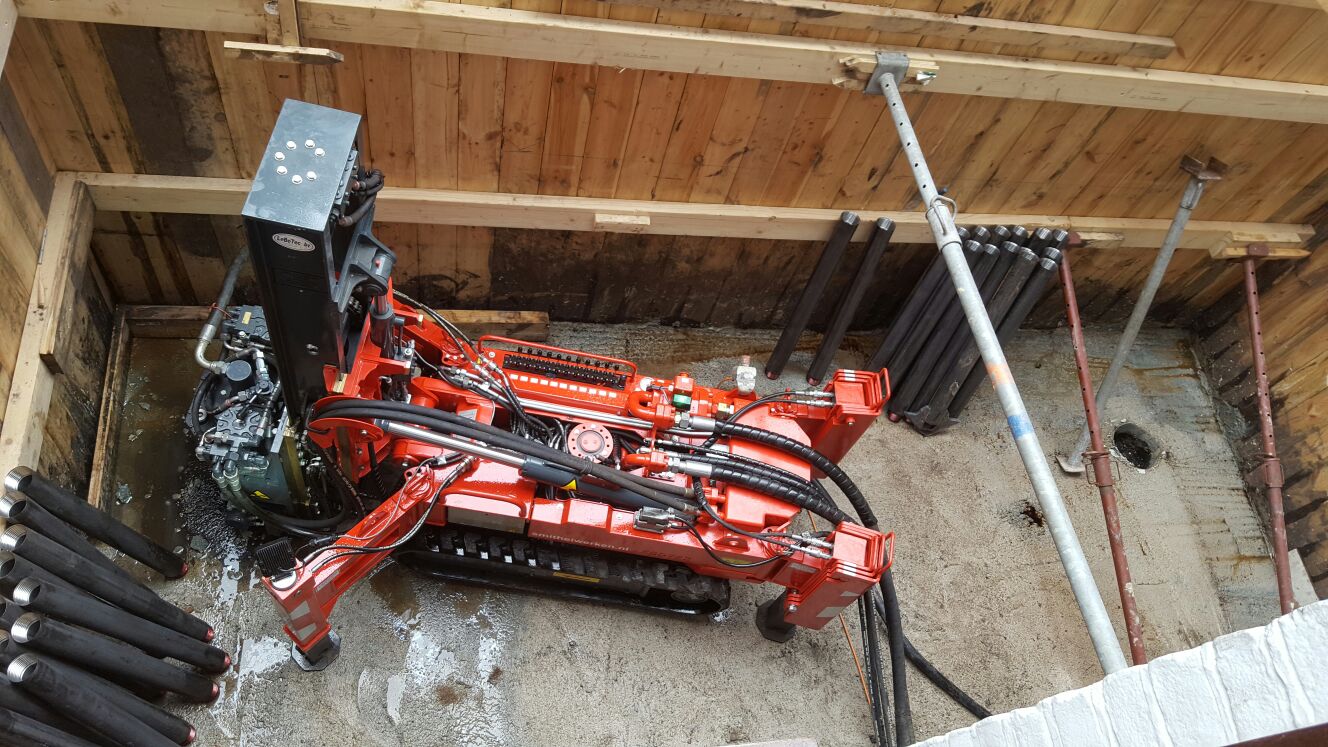
Lots of houses and other historical buildings in Amsterdam are having their foundation supporting piles replaced. This is a very challenging operation and highly specialized gear has been built to do the job, and with a minimum of vibration to reduce the chance of damage to the structure. They're called 'schroefinjectiepalen' in dutch (too many letters for Scrabble).
The essential piece of kit is a tiny pile driver that gets lifted into the basement of a building and that then pushes hollow steel shells into the soil until resistance. Each shell is threaded, much like drilling rig piles from oil drilling, only much shorter, typically 1 to 2 meters in length. When the required resistance is met the shells are filled with grout, so you end up with an inside-out reinforced concrete post that once it has cured can be load bearing. There are also versions where the grout escapes the post and forms a shell around it and there are versions where there is more armoring inserted into the steel tube.
Edit: finally found a good English language article:
> They're called 'schroefinjectiepalen' in dutch (too many letters for Scrabble).
I was about to comment that you could form it in multiple steps, but turns out, I forgot about the size limitation of the scrabble board/how many of each letter.
Either way, that's some neat tech. Specialized machines for such "obscure" usages are pretty interesting. Partially because you just never even think about those existing until you hear of em.
It's a very interesting subject. At first the judgement was 'it can't be done' and then some enterprising company came up with a very creative solution.
> One day, some bacteria is going to figure out how to digest plastic.
The problem is that day may be millions of years away. It allegedly took nature several million years to evolve bacteria that can digest lignin and cellulose, allowing old fallen wood to decompose in the forest. Coal deposits are from an era when such bacteria were not present.
Even if we had such bacteria, they would only be able to digest plastic under certain conditions. Overall, plastic pollution is here to stay for a very long time.
Humans have indirectly accelerated the rate of evolution (or natural selection if you will), so I doubt it'd take millions of years. Entire ecosystems have changed more in the millennium of modern human activity than many millions of years before that. What makes evolution slow isn't so much evolution itself but the pressures of the environment; drastic, sudden environmental changes spur rapid evolution.

But each of them only works in certain environments. Just like wood is very biodegradable, but if you keep it dry you can build wooden structures that last centuries