| I find the contrast between two narratives around technology use so fascinating: 1. We advocate automation because people like Brenda are error-prone and machines are perfect. 2. We disavow AI because people like Brenda are perfect and the machine is error-prone. These aren't contradictions because we only advocate for automation in limited contexts: when the task is understandable, the execution is reliable, the process is observable, and the endeavour tedious. The complexity of the task isn't a factor - it's complex to generate correct machine code, but we trust compilers to do it all the time. In a nutshell, we seem to be fine with automation if we can have a mental model of what it does and how it does it in a way that saves humans effort. So, then - why don't people embrace AI with thinking mode as an acceptable form of automation? Can't the C-suite in this case follow its thought process and step in when it messes up? I think people still find AI repugnant in that case. There's still a sense of "I don't know why you did this and it scares me", despite the debuggability, and it comes from the autonomy without guardrails. People want to be able to stop bad things before they happen, but with AI you often only seem to do so after the fact. Narrow AI, AI with guardrails, AI with multiple safety redundancies - these don't elicit the same reaction. They seem to be valid, acceptable forms of automation. Perhaps that's what the ecosystem will eventually tend to, hopefully. |
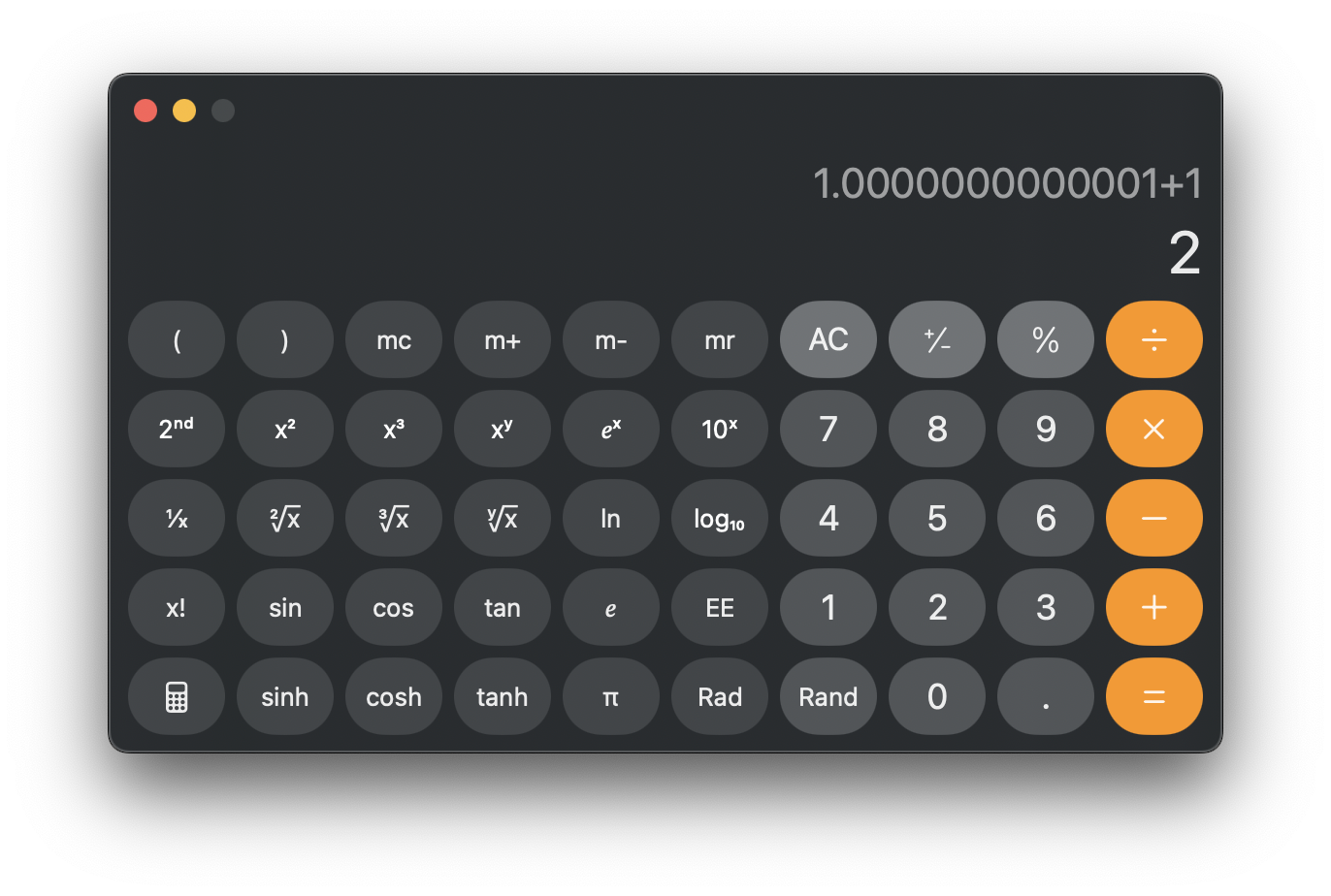
When it comes to (traditional) coding, for the most part, when I program a function to do X, every single time I run that function from now until the heat death of the sun, it will always produce Y. Forever! When it does, we understand why, and when it doesn't, we also can understand why it didn't!
When I use AI to perform X, every single time I run that AI from now until the heat death of the sun it will maybe produce Y. Forever! When it does, we don't understand why, and when it doesn't, we also don't understand why!
We know that Brenda might screw up sometimes but she doesn't run at the speed of light, isn't able to produce a thousand lines of Excel Macro in 3 seconds, doesn't hallucinate (well, let's hope she doesn't), can follow instructions etc. If she does make a mistake, we can find it, fix it, ask her what happened etc. before the damage is too great.
In short: when AI does anything at all, we only have, at best, a rough approximation of why it did it. With Brenda, it only takes a couple of questions to figure it out!
Before anyone says I'm against AI, I love it and am neck-deep in it all day when programming (not vibe-coding!) so I have a full understanding of what I'm getting myself into but I also know its limitations!