|
|
|
|
|
|
by techpineapple
414 days ago
|
|
|
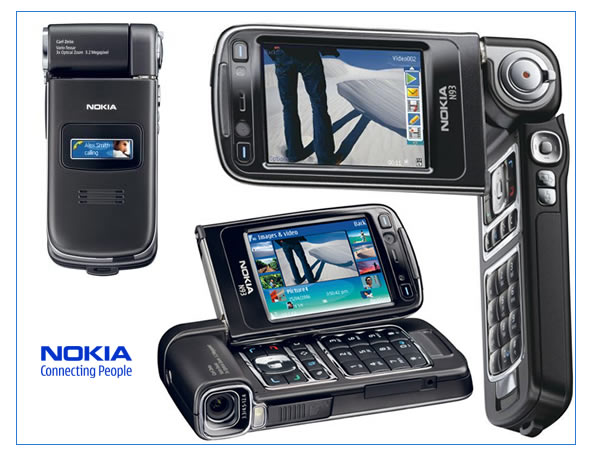
"Also hints at why Peter Thiel's thesis on tech monopolies in a dynamic world is correct; i.e. that they aren't necessarily bad. A lot of the value in big tech comes from scale and integration and is inherently not sensible to have a thousand mom and pop shops do it and keep the same value". Isn't this broadly speaking true about everything, or maybe any luxury service? I guess I would say, that I disagree, I'm not saying you're explicitly wrong, but I think a model where one system or service dominates is a tradeoff. Sure it's more efficient, and maybe you can say "we solved the phone/browser/Operating System/etc" but you lose the world where we had all sorts of weird innovative products. I mean come on, look at that phone! https://www.techwalls.com/wp-content/uploads/2011/09/nokia-n... |
|
|
Under this theory it follows that if you actively kill any business with a monopoly market share like the EU, you’ll guarantee failure for the society in achieving certain technological breakthroughs. The only way to avoid it would be government sanctioned corporations (CCP style) or US style pre-Lina Khan relatively free market approach to scale.