|
|
|
|
|
|
by rapjr9
463 days ago
|
|
|
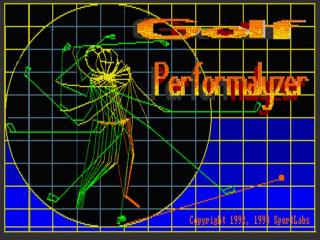
I wrote software for the Amiga that did something like this for golf swings a few decades ago: http://zoom.interoscitor.com/PetersonEnterprises/resume/logo... http://zoom.interoscitor.com/PetersonEnterprises/Consulting/... http://zoom.interoscitor.com/PetersonEnterprises/resume/down... It could adjust the stick figure size to match the persons height and controlled a video tape deck via RS-232 to single step the video. The stick figure data was digitized from films of golf pro's at a high frame rate and the frames that best matched the 1/30 second frame rate of video were used. A genlock superimposed the graphics over the video. Wrote the software under contract and got a percentage, but the business never took off. It was somewhat cumbersome to use (roll the big rack shown in the picture out onto a golf course), they charged a lot, and they had no proof it actually helped improve golf swings, though they gathered some testimonials. The results of an analysis were difficult for a customer to use as well, for example "slow down your swing in the early 8 o'clock part of the swing", how do you do that? How much do you do it? It was difficult to translate the differences in swings into a kinesthetic sense of what your muscles should be doing. Perhaps adding an accelerometer wrist/ankle strap could provide additional data that would help with that. |
|
|


We talked with a baseball academy facing a similar issue where their previous software analyzed recorded videos really good, but the analytics were too confusing for coaches to understand and took too long to set up.
From what we learned, form is the main aspect. Regardless of speed, form varies by individual, and any deviations can impact the results. In our case, we fire a feedback like "Bring your hips down lower" after every rep attempt until the user completes their workout. From working with martial arts instructors and their students, short and direct feedback that guide you work the best!
And yes, would love to integrate more data for the user! Maybe using the user's apple watch features! Thank you for sharing!