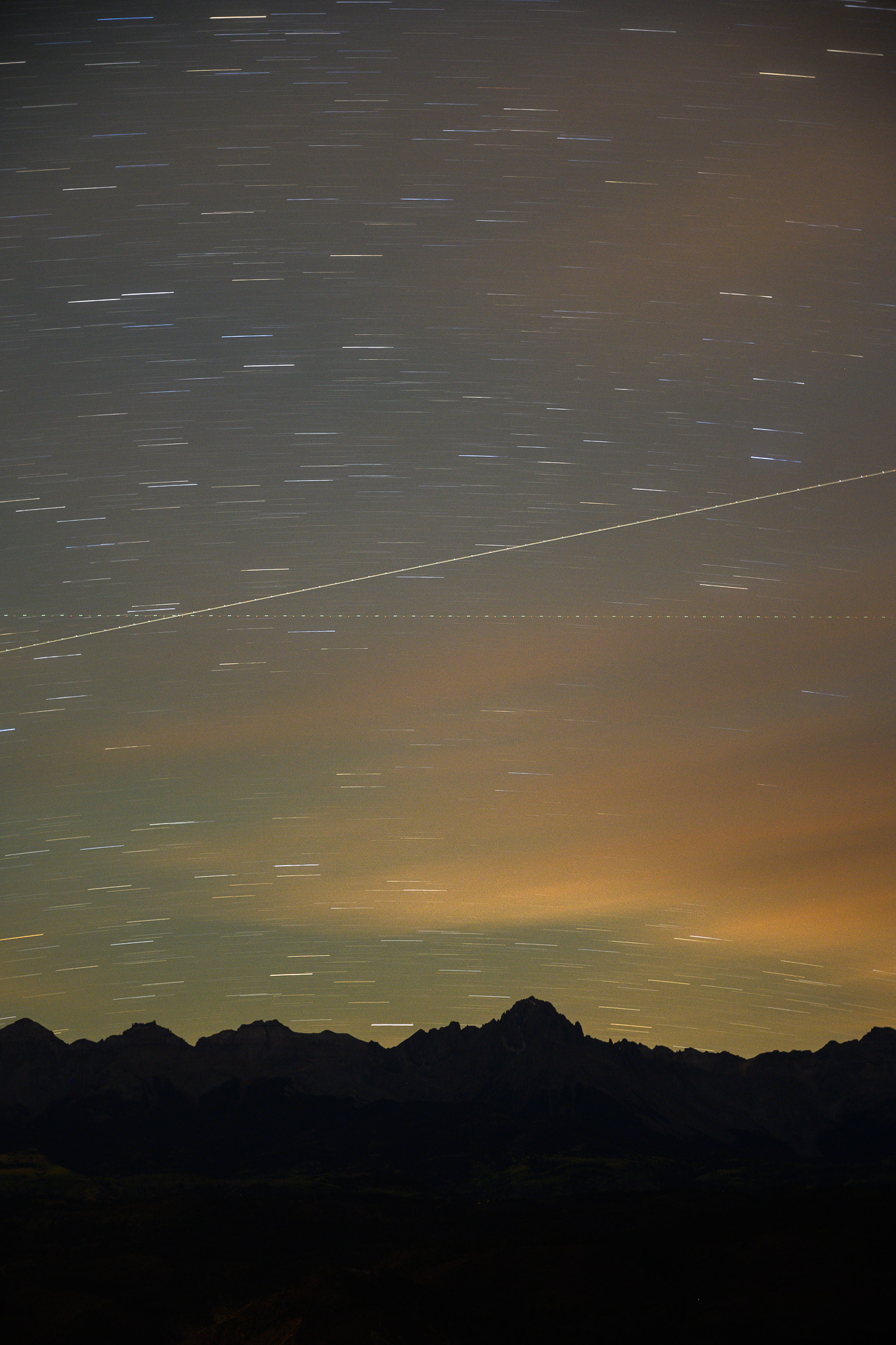
| >with everyone having a smartphone with high quality cameras on them there really is zero excuse for there to not be highly detailed accurate videos of this Absolutely not. I understand the tendency to assume that modern tech would make it relatively easy thing to accomplish but there are considerable challenges with ground-based aerial photography/videography...at nighttime...completely unplanned and unscheduled...by an amateur. Better technology makes the field more accessible in a general way, but there is still a very large barrier of: skill, hardware, and out-right luck involved in good image capture as a medium. Consider, if you ever look towards the beginning or end of some runways you may see a group of plane spotters setup taking photos and video of the airplanes. The typical hardware used to capture things well is a minimum of: DSLR, tripod, battery extenders (or spares), and good perch to rest during lulls (it's more physically demanding on your arms then you might imagine.) More crucially, this is for airplanes that are taking off and landing 1) in a predictable pattern 2) at routine intervals 3) captured primarily in daylight. Add in height? Introduce increased shake. Add in darkness? Introduce exposure (hold the camera still, longer to get a brighter image). Add in inexperience? Introduce beginner mistakes. On top of those practical concerns, it's probably also pretty creepy to see these unknown objects/drones/whatever. Fear impacts our ability to react in a helpful way. Smartphones make it simpler to capture a picture or a video, but there is profound gulf between getting something and something even remotely good. If you're not sure what I mean, here's a simple test you can try: 1) Grab a pencil and go into a completely dark room like a basement 2) Turn off the flash on your phone 3) Holding the pencil between pointer finger and thumb stretch your hand as far from your body as you physically can 4) Take one photo of the tip of the pencil eraser one-handed. That is considerably easier than it would be to photograph/video a moving object across the night sky, even if it is perceived as moving "low and slow". Longer exposure times mean the camera has to be held motionless for longer so the camera sensor can "soak up" more light to "expose" the photograph properly. (This is why photos at night feel like they take perceptibly longer to capture than they do in daytime - they do take longer!) Flash can help with nearby subjects, but for objects far away (thousands of feet above you) no amount of flash is going to reach the object to reduce exposure time. Then, let's make things even worse! The object is moving which means that overexposure will turn that solid object into a blur. This is something that is easily possible[1] when taking photos of the night sky. [1] https://photographylife.com/wp-content/uploads/2019/07/Sharp... |