|
|
|
|
|
|
by AlotOfReading
704 days ago
|
|
|
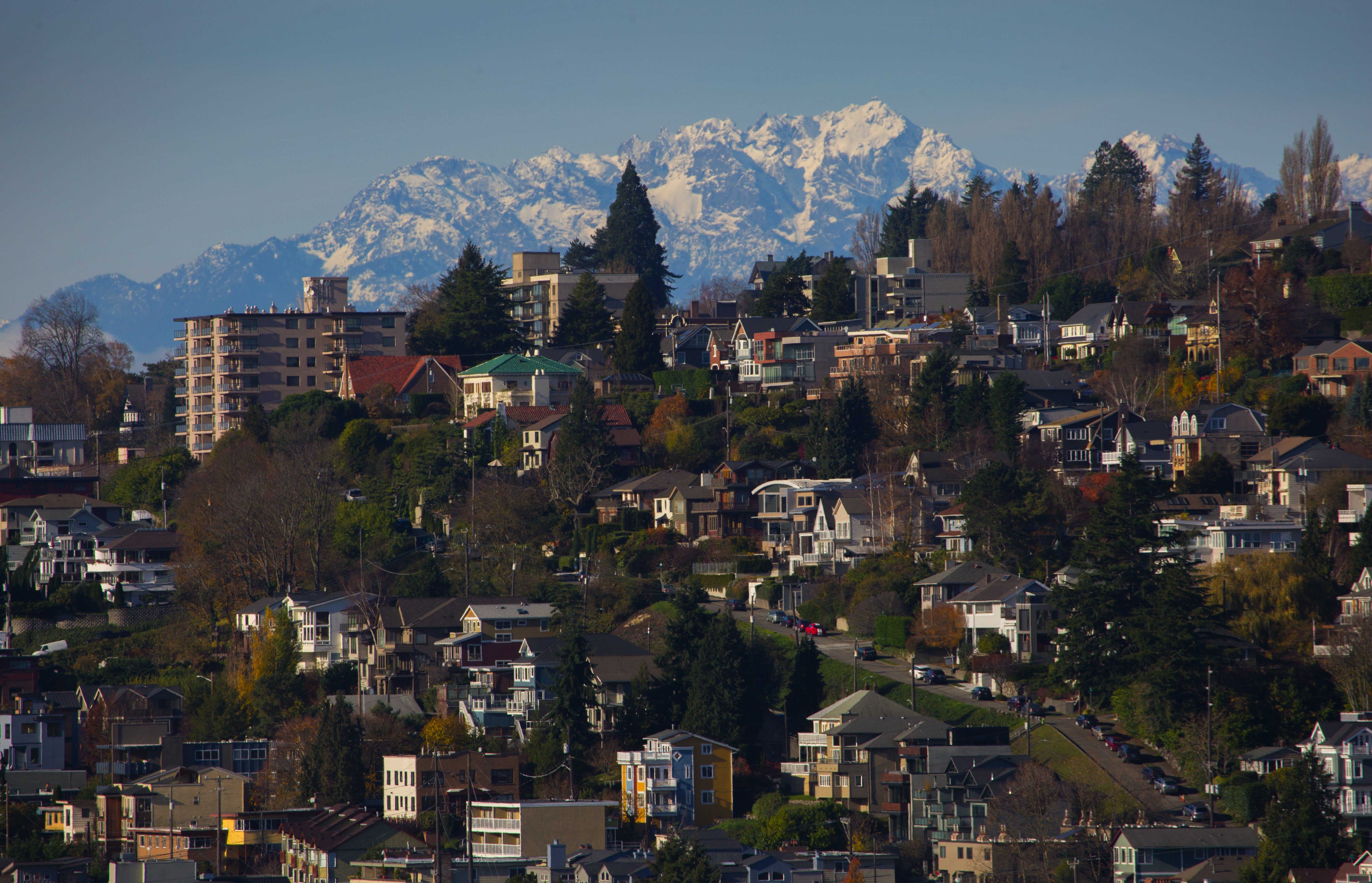
I've been to Appalachia. It didn't strike me as notably more rugged than any other reasonably hilly area, and quite a bit less rugged than many places known for it (e.g. the Alpine cities, or the Himalayas). The west coast cities were a reasonable comparison, because they're (1) in the same country and (2) Fairly comparable in elevation and grade, if not a bit worse. The oakland hills (and other bay area communities [1]) rise to comparable heights despite starting at sea level with 25% grades, for example. Queen Anne in Seattle [2] has almost exactly the same elevation gain, but the last 200 feet are basically a cliff. I'm not picking distant suburbs here, but rather historic parts of these areas that have been developed for almost a century. They only maintain the illusion of flatness now because the landscape has been intensively modified over that time to appear less severe. [1] https://upload.wikimedia.org/wikipedia/commons/e/e0/Sausalit... [2] https://images.seattletimes.com/wp-content/uploads/2016/03/9... |
|
|

Cumberland, MD vs San Francisco. Wow, when I overlay urban areas of Bay Area, it's heavily built up in much flatter areas and gets much less dense as elevation change gets steeper. Not to mention, sea access gives you massive advantage since you are not having to move as much over really tall mountains.
Cumberland, MD has none of these. It's in a valley between two larger ridges of mountains but is heavily constrained. Also, not having sea access means transporting goods there is much more difficult and requires more infrastructure. And since we are one nation, you could just move west to much flatter Ohio and Great Lakes or East to flat parts of Maryland and Chesapeake Bay.
Sure, Bay area built up with creating really excellent schools that created really high paying industries but thinking it was "We lifted ourselves up by our bootstraps" and instead "Our geography and World War with Navy on our coast desperate to win really did help us."