|
|
|
|
|
|
by perlgeek
747 days ago
|
|
|
Upper stage engines are notoriously difficult, because the operate in a very different environment than we're used to, under annoying mass constraints, and after exposure to the rigors of a rocket launch (high vibrations and acceleration). Also, they must ignite without any help from the ground, without any felt gravity (which really helps with pumping fuel and oxidizer). All that makes the previous run of successful missions all the more impressive. |
|
|
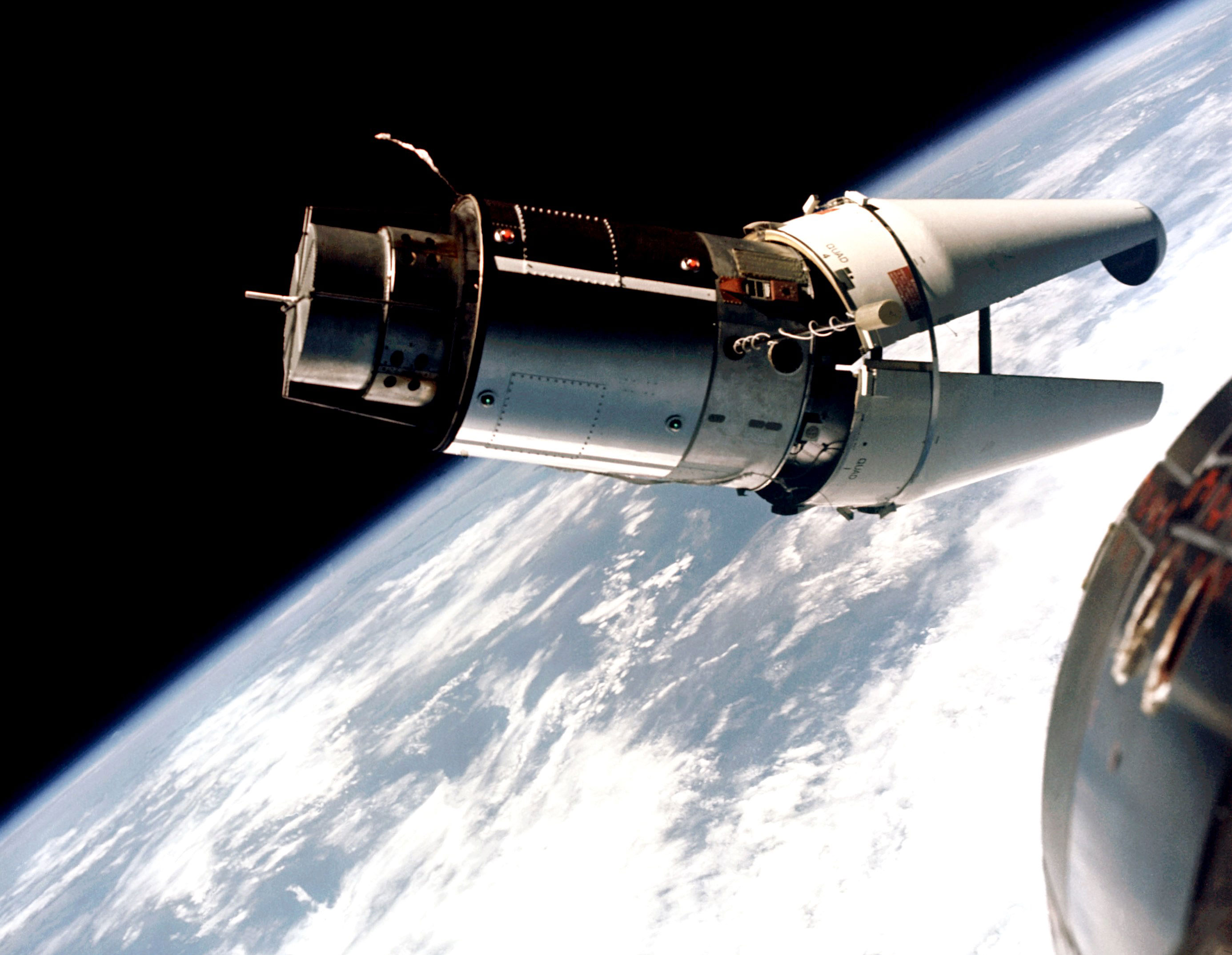
Every second stage they fire is a brand new one. There are no "flight-proven" second stages. (of course the design is flight proven, but the actual piece of hardware itself is not.)
The other one is since the second stages are not recovered it is much harder to do an after-flight engineering analysis on them. With the first stage SpaceX have most of them back after the flight. That means they can check that all is looking as they expect it. If something with the design is "marginal" in a way they haven't designed them to be marginal they can adjust the design to improve it. With a second stage you can not do that.
Of course this is the default state of every other rocket ever flown. But in spacex's case I would expect the first stage just a tiny bit more reliable than the second stage because of this. (Just a tiny bit, since there is a lot of commonality between the stages)