Hacker News new | ask | show | jobs
by chmod775 750 days ago
> Reminds me of people who tried selling sturdy repairable phones with longer battery life.

My brother buys these. They survive up to a year in his "care", rather than the usual 3-4 months of flimsier phones. They all end up with cracked screens within months though.

Almost no mainstream consumer electronics nowadays are meant for people who lead active lives (outside of planned and streamlined activities like going to the gym or running) - because the people as a whole generally don't live active lives. If you happen to be an outlier, making your phone survive becomes a serious logistical issue. Sadly carrying one is a necessity in this day and age.

Another example: Many offroad vehicles/trucks nowadays won't survive days of the advertised use-cases without serious damage and are often utterly unsuited for it (the cybertruck isn't an outlier here). These things are being sold to people who like to play pretend. Manufacturers cross their fingers and hope you don't actually.

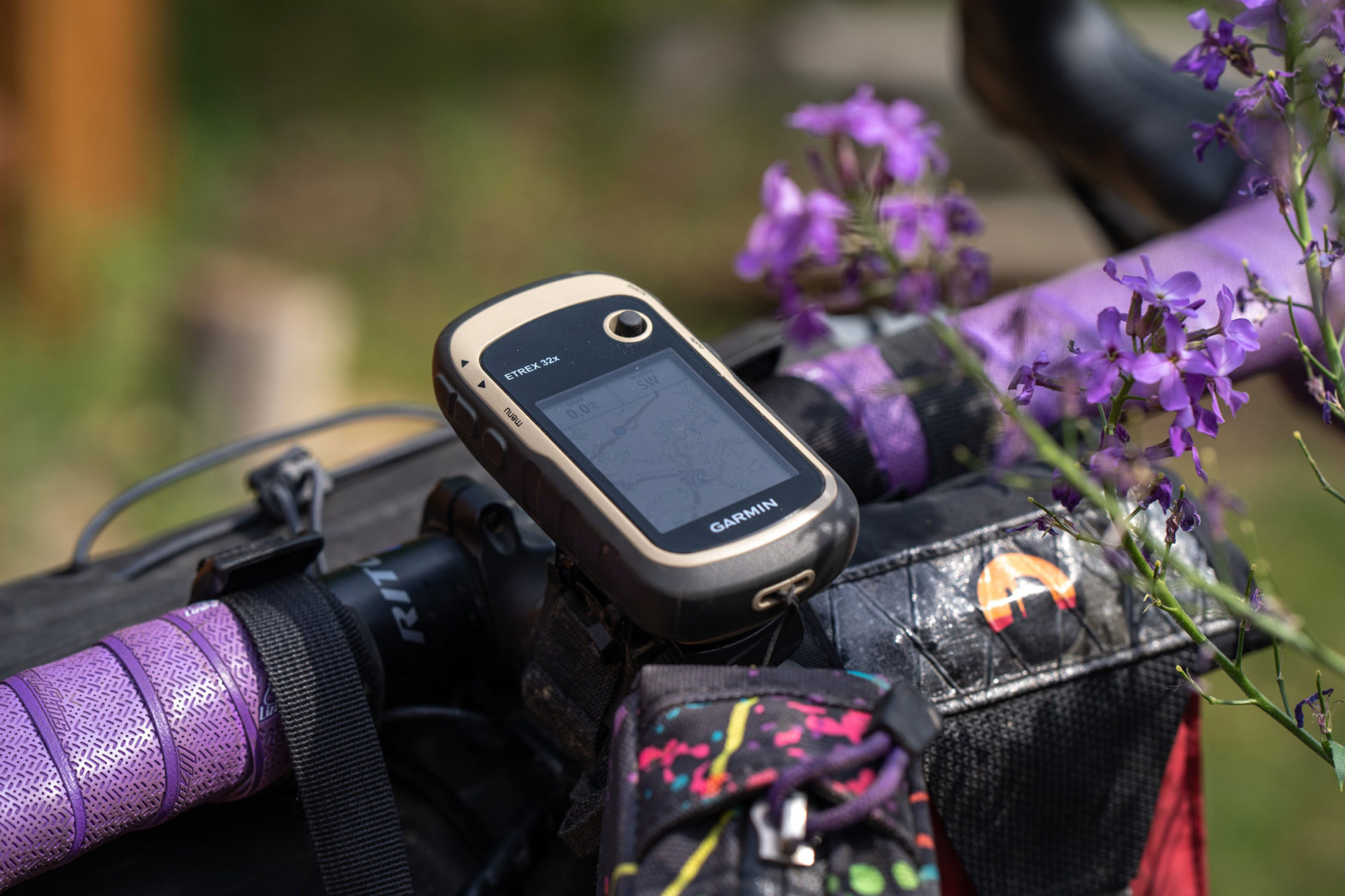
Notable exceptions to the rule are things like satellite communicators and some dedicated GPS map devices. They seem to have no issue surviving many phones with their own screens and functionality intact. Their manufacturers know you wouldn't buy them if you didn't plan to use them in the advertised conditions.

2 comments

Indeed, regarding watercraft have seen it as “you don’t sell the boat you sell the dream”
Get your brother a glass screen protector for his phone. I haven't cracked a phone screen in a decade yet I've gone through many cracked screen protectors.
They're just going to crack right along with the screen. The form factor of modern phones combined with the fact that they're made from materials that will break rather than survive some deformation is a death sentence. These things being in the wrong pocket as you carry something heavy, or merely you sitting on them, will immediately crack their screens and hard plastic in half. The devices are just too big and flat. Any attempt at creating rugged variants usually consists of surrounding those fragile off-the-shelf consumer parts with copious amounts of padding. Now it's even bigger and the added weight is not going to help with surviving drops.

Look at the form factor of something like the Garmin eTrex[1] series and it should be immediately apparent why these devices can outlive about a dozen phones. Sit on it, throw it on the ground, put it in a backpack and throw it down a cliff, they'll be fine. Maybe dented and scratched, but they'll still help you find your way. They're small devices that are very round-ish in every dimension, and they're also pretty light, meaning there's very little energy that needs to be dissipated when they impact something.

Adding padding and protection only helps up to a point. To make smartphones actually durable, you'd need to take away from them. That means little or no glass at all. Use light materials that functionally survive deformation and point contact impacts. Also preferably it would run on AA batteries.

[1] https://bikepacking.com/wp-content/uploads/2021/06/garmin-et...