| In context of creating hyper useful applications low code means 5 things. 1
Process manager, where you think in terms of users. Each step is a state machine. Ex: Anonymous visit has signup and contact. Registered user has update profile, upload video. To understand what process management means read up on the Mechnical Turk that played chess, and understand that a self checkout machine occasionally backed by a cashier is the same thing. Then realize you can email people asking them to do a task. And now you are programming not just with a CPU, but AI, and Humans in the circuit as well. 2
Drag and Drop Web page designer, here each of the states above, are expressed as web pages, that can shift state via UI interaction. ex. Clicking update profile, or upload video buttons. Think HyperCard, and look at the modern Bento Box Web Page Builders. 3
Visual Relational Database Builder, here you define tables, and their relationships, the form designer below will use those to help you make forms. See File Maker. 4
Form designer, just think of the form as a complex UI component. But, the button here, does not immediately shift state. So signup, must not shift state to registered until checks are made. Here a drag and drop visual programming language comes in to picture. 5
Drag and Drop Visual Programming Language, the click of a button is interpreted as a source of an object stream. Think packet oriented programming, of reactive functional programming, or RxJs, or Node-RED. To answer your question: you evaluate a low-code builder by the ease with which it can generate entire website applications. And by generate, I mean code generation as well, because you want these programs to emit beautiful code that is indistinguishable from hand made code. For code generation see yeoman, especially AST parsing and that nifty var function: https://yeoman.io/ And of course any one of the 5 above is a good test, but all 5 in harmony are better. As to non-visual/tui tools, its bash. shells are low code tools take a look: AT&T Archives: The UNIX Operating System:
https://www.youtube.com/watch?v=tc4ROCJYbm0 See here maybe as well:
https://github.com/topics/visual-programming |
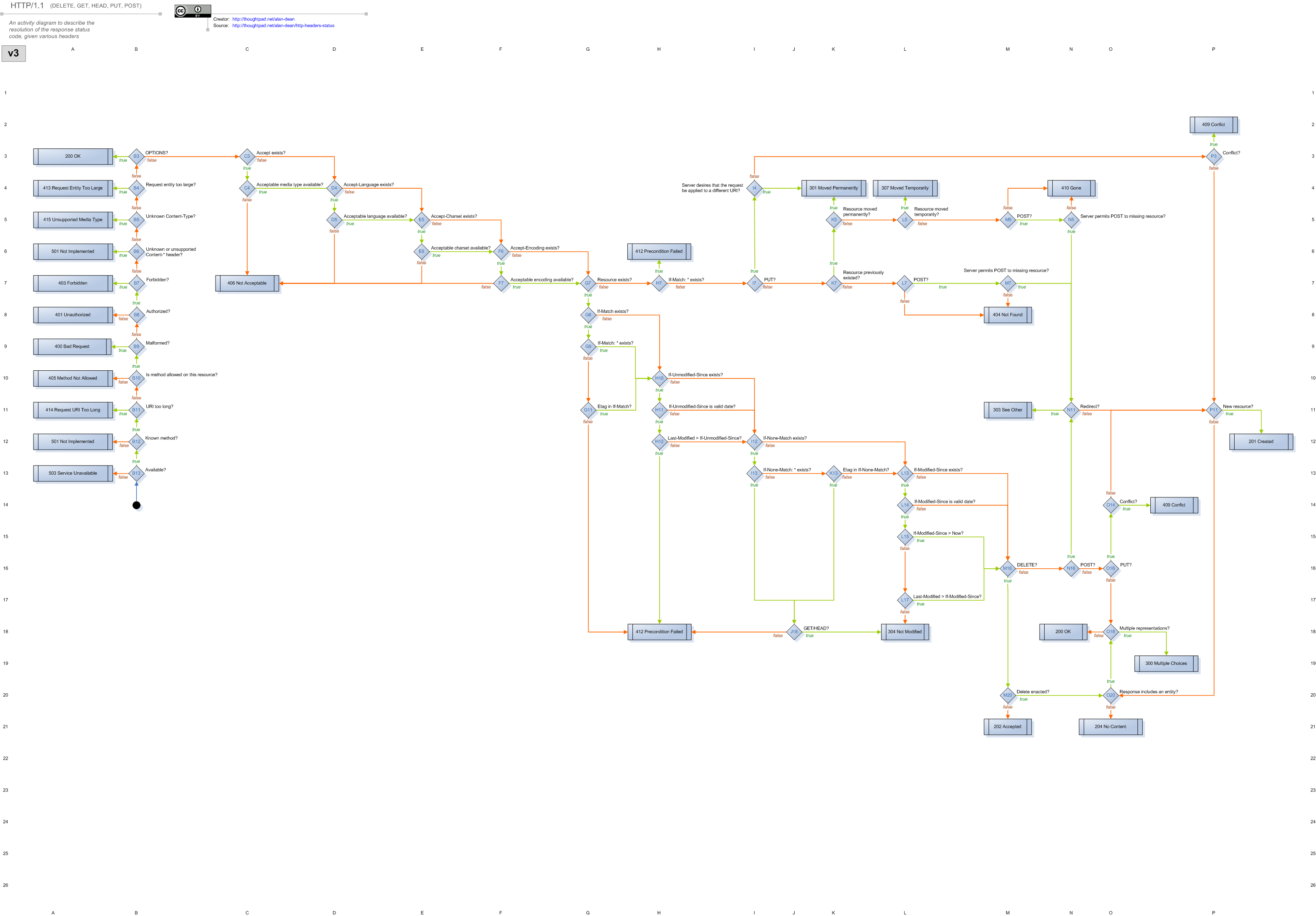
So what I gather from your post is that you are describing one class of low-code designs. Maybe in your post the "backend" is within the process manager, but in BPM engines the process manager is actually more complex entity in a system what a "normal" backend would be.
So to me this is a lot more than what I want to focus on, which is the backend part in:
User <---> API <---> Backend (business logic) <---> Database