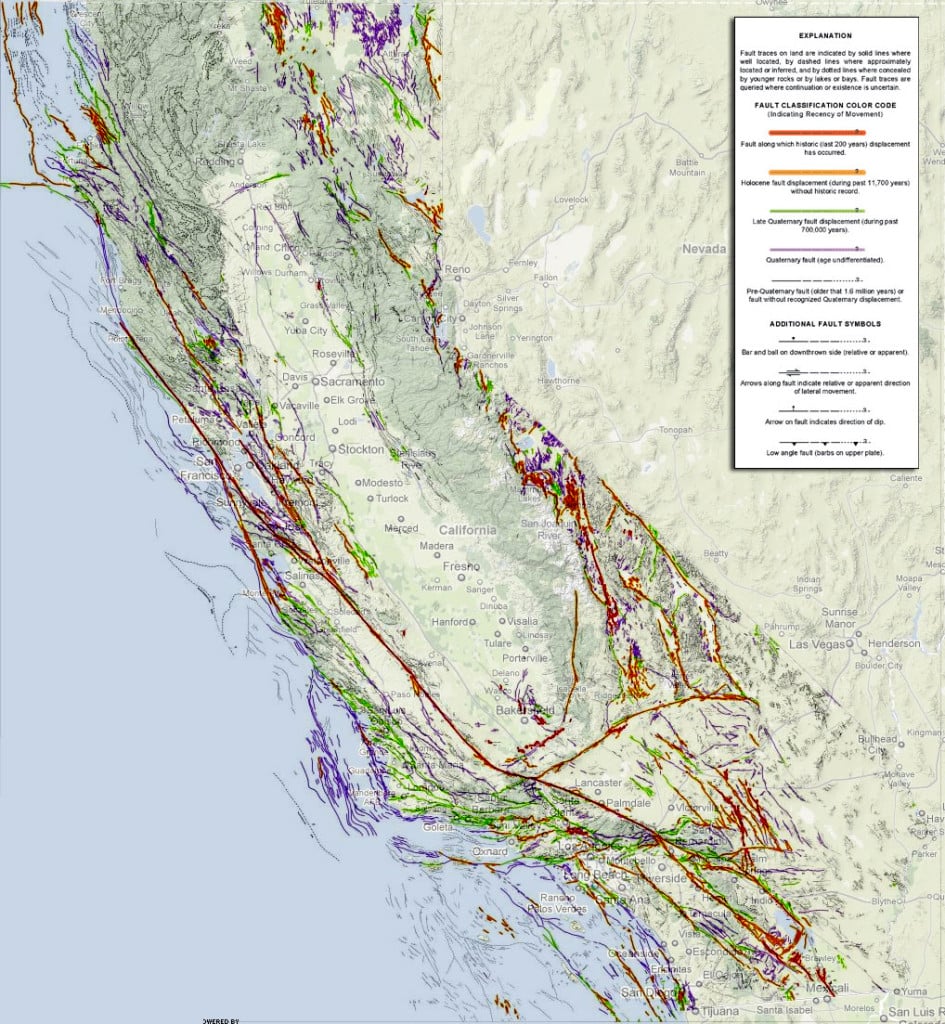
Not necessarily. Place a grid of receivers in fixed locations and observe their reported position. That grid is then the transform you need between the map when they were placed and the current state of the globe.
A question would be how many you need, but these movements are on a large scale and receivers are dirt cheap.
Whether it is a grid or a selectively placed point cloud was not the point. Either way you end up with a mesh you can use for a relatively simple warp.
Granted, using it as input for a model might be more accurate, but also more complex. The simple warp might be enough to get within reasonable mapping tolerances though, while simultaneously revealing which areas are in most need of update.
The wider point was you assumed it was easy because you didn’t understand the underlying complexity. GIS is a surprisingly deep rabbit hole once you start digging into the specifics.
Apply corrections on the device and Google Maps may want to use a more accurate model which then requires undoing the first correction before applying the second etc.
A question would be how many you need, but these movements are on a large scale and receivers are dirt cheap.