Hacker News new | ask | show | jobs
by botswana99 918 days ago
Why is Japanese software so bad? Chip shortage or not using the card purchase UI at train stations is confusing, even in English.

As a US software engineer, I can not figure out how a country that can make great hardware (e.g. high-speed trains), has a beautifully minimalist design aesthetic (e.g. wabi-sabi), and lots of talented artists and engineers can produce such crappy user interfaces. Or for that matter, beyond a few games is irrelevant in the world software markets. Does anyone have an idea?

3 comments

Some software may not bridge the gap in design sensibilities between Japan and other countries, but Sony and Nintendo are examples of massive Japanese companies working on various hardware and UX solutions for an international audience. I don't think it's fair to paint software from Japan with such a broad brush.

A minimalist design aesthetic also doesn't automatically equate to good UX. I think there's lots of people on this site that would say modern, western UX is often poorly executed and potentially getting worse (in some regards.) A common complaint I hear is that interfaces have too much white-space.

If UX is predicated on user research, it's important to recognize that people coming from outside Japan and who don't know the language aren't the target users and probably not the right ones to be making a judgement calls on the quality of Japanese software as a whole.

If you're asking about the difference in design sensibilities, this is speculation, but a couple things that come to mind are:

- The information density of local written languages.

- The relatively small number of fluent English speakers in Japan means there's potentially less opportunity for ideas and design patterns to cross pollinate, making each style feel more foreign to outsiders.

I believe that there two factors that people don't talk about much:

- Software engineering wasn't much of a prestige profession (I suspect still isn't), and most bright STEM students ended up studying other forms of engineering

- A general lack of interest in hacking and tinkering

People make some wild claims, such as kanji or East Asian culture, but there is plenty of quality Chinese and Korean software.

> not using the card purchase UI at train stations is confusing.

Agreed that the UI for Japanese train ticket machines can be confusing for first-time users such as foreign visitors, but foreign visitors aren't the primary use case. These machines are designed to be familiar and fast for the bulk of their users: residents of Japan who know how the train system works. Stations need to move massive numbers of people through these machines quickly, and this layout is incredibly efficient for that.

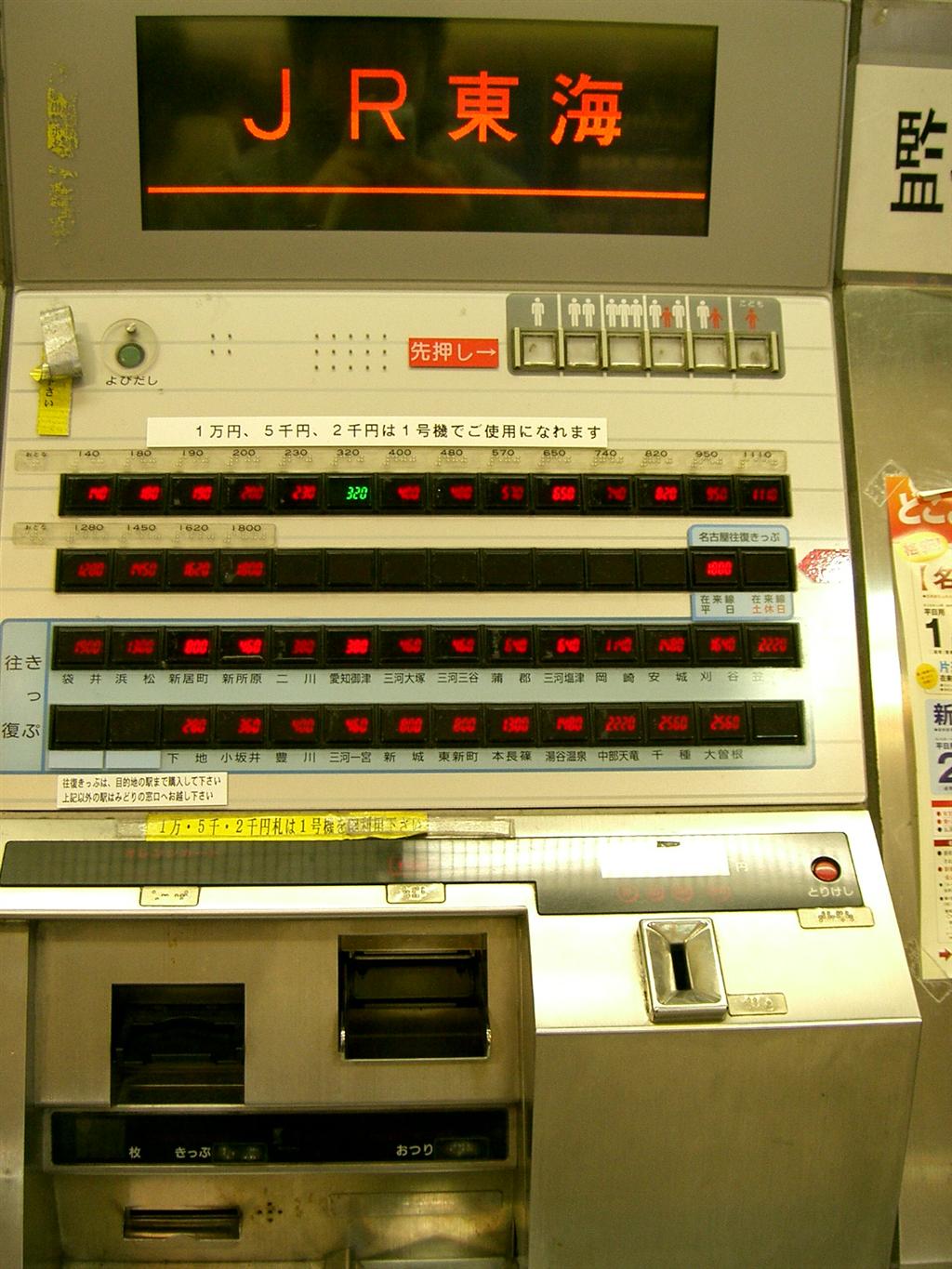
Older terminals used a very similar layout of two groupings [1]:

1. physical pushbuttons with prices displayed using 7-segment LEDs

2. physical pushbuttons for most common multi-passenger sets

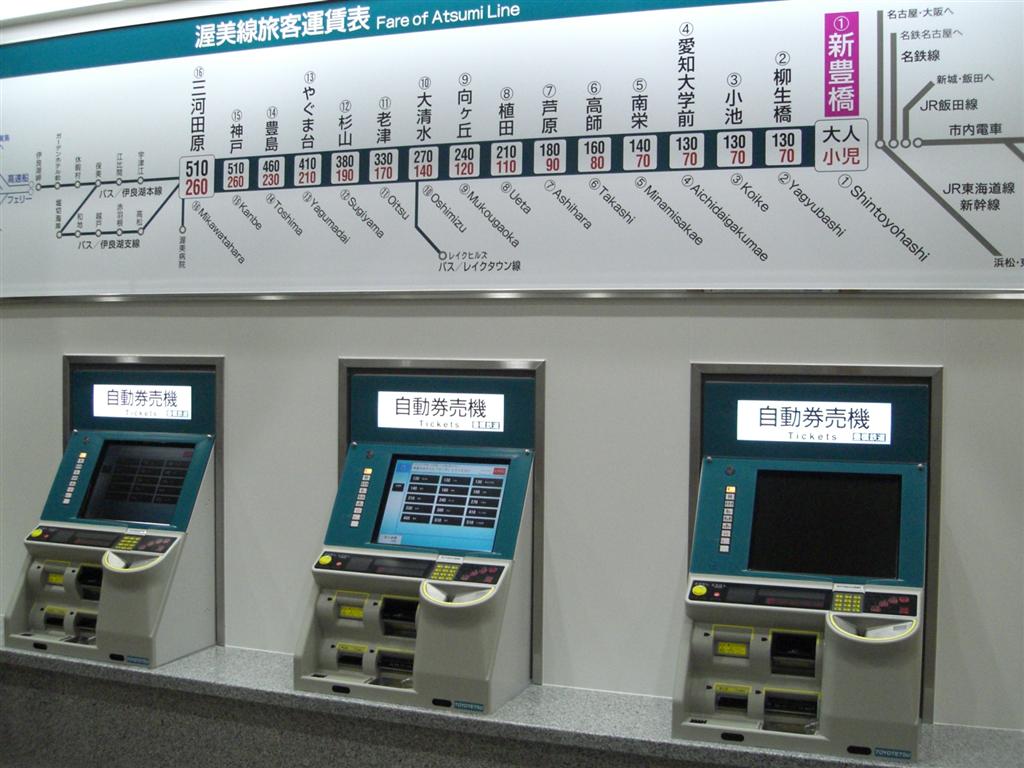
The touchscreen terminals provide this exact same layout, which provided continuity as the changeover happened, and kept the lines at the machines moving quickly. They're also freakin' brilliant when it comes to minimising the button-presses required to buy tickets. e.g. two parents and a kid going to a station that's 400-yen from here? Press the "two adults, one kid" button, then the fare. You're done. Fare zones are listed on a large train network map usually posted right above the machines with both adult/child prices [2], but locals almost always know where they're going and how much.

Given how heavily-trafficked Japanese stations are, it's way more critical to minimise the time required to use the machines and keep the lines flowing than it is to provide an easy experience for foreign visitors. Compare to e.g. Montréal where even users familiar with the metro can spend upwards of a minute to buy a ticket or recharge an Opus card.

[1] https://livedoor.blogimg.jp/ticket4_ta/imgs/f/d/fdfe28d7.jpg

[2] https://livedoor.blogimg.jp/ticket4_ta/imgs/4/9/4987e9ba.jpg

Carryover old user interface (paper, button, board, etc) layout and flow on latest user interface is a phenomenon seen everywhere in Japan. Enterprises don't want to take risk to change interface much, or no ability to think that.