|
Geez for the prices listed in the article (153 EUR and 301 EUR), get a TMM (tiny mini micro - https://www.servethehome.com/introducing-project-tinyminimic...) computer. These are the SFF/USFF off-lease older enterprise computers like Dell Optiplex. Note that ServeTheHome.com does power consumption for every model it reviews. These ~1L sized computers idle in the 7-13W range. Even with EU electricity prices, it would take you a very, very long time to make up the difference from a 5W SBC. You also get standard x86 support, normal expand-ability, M.2 slots, PCIe ports, etc. You lose GPIO support. For $100-$120 on eBay, a search for 'dell optiplex 3070' typically results in getting either a i3-9100 or i5-9500, 8-16GB memory, and 120-256GB NVMe. I bought one a couple months ago for Blue Iris and it uses 8W at idle. Here's an example of a USFF (ultra small form factor) for $110 - https://www.ebay.com/itm/325826958401 Lenovo variant (M720q tiny) for $121 w/ i5-8400T, 16GB, and 256GB SSD (probably NVMe) - https://www.ebay.com/itm/266450621632 |
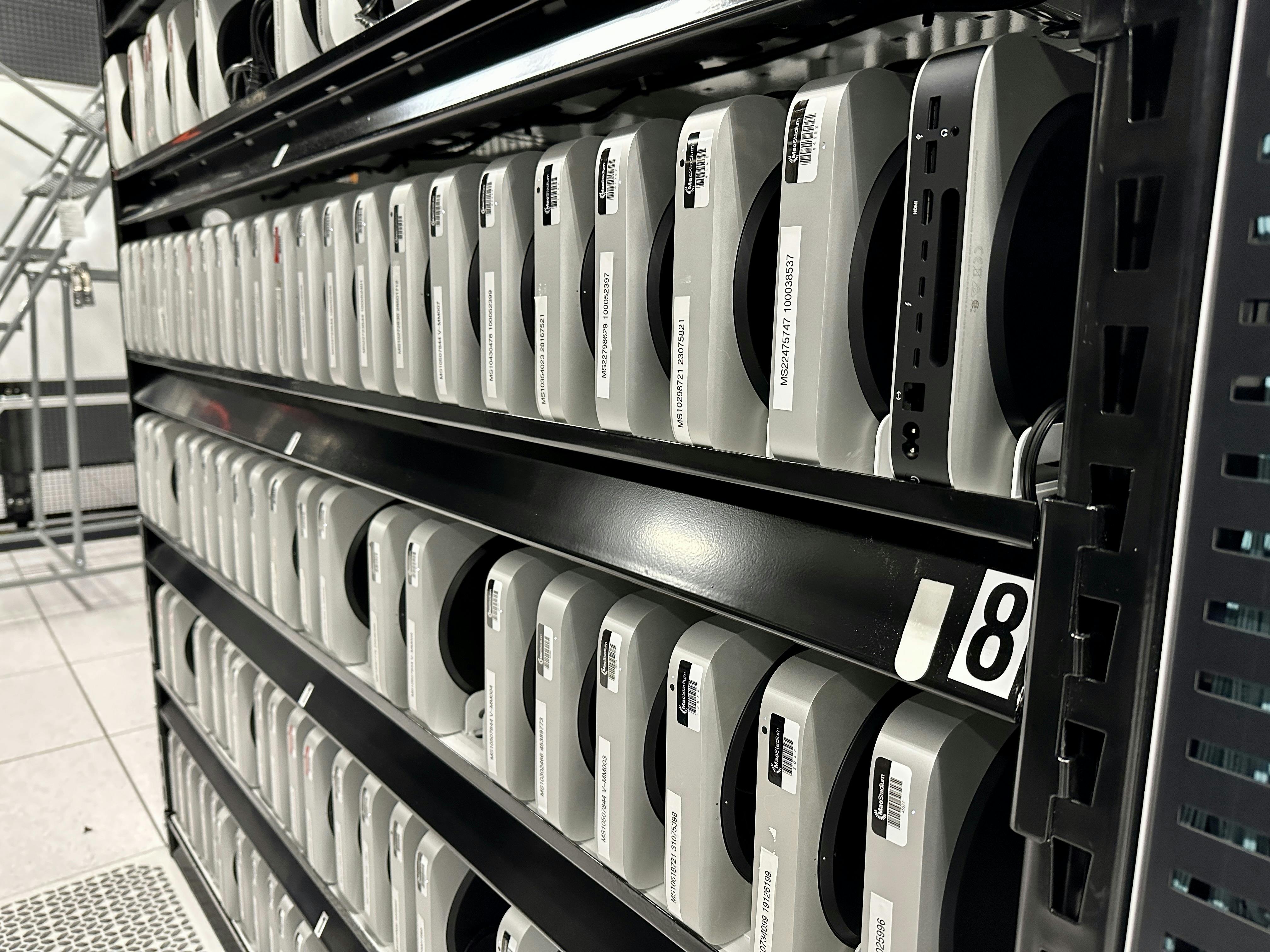
If you want to run a server-task, listen to the common chorus and buy an 3-7 year old SFF business PC. Slap Proxmox on it, and you can virtualize a bunch of small 'servers' as LXCs with plenty of CPU and memory. Easy to add storage, dependable, and well-supported. Power draw is highly overstated for typical ancillary-server tasks, and if you were planning on 2+ Pis, you're now in the same ballpark.
If you want to hack together something with sensors/electronics, use a $5 ESP32, which likely has way more power than you need. If you need more processing power, move that from the edge device to something like the cheap SFF above. Plenty of sample ESP32/8266 Arduino libraries to expose/control the GPIO via a simple API, MQTT, or UDP/TCP payloads. Then, you can write your processing logic in whatever language you want, on a powerful server, and the edge device doesn't need Linux distro updates to blink some LED strips or whatever.