|
|
|
|
|
|
by Macuyiko
1023 days ago
|
|
|
Very cool work. As a bit of tangent (but wondering whether someone can answer) - the article also makes mention of point based rendering and indeed the fact is has been a staple of particle systems for a long time. However, especially with recent games, I have noticed (purely subjectively) a very subtle shift to a new style of particle systems which are on the one hand fully point oriented (compared to (textured) fragments) but on the other behave more like a physics systems. Examples: - Hogwarts (heavily): https://www.gamespot.com/a/uploads/original/1816/18167535/40...
- Forspoken (heavily): https://oyster.ignimgs.com/mediawiki/apis.ign.com/project-at...
- Starfield (though more rarely): https://dotesports.com/wp-content/uploads/2023/08/temple-loc...
- AC6
- FF16 (heavily) It's more obvious when you see it 'in motion'. The common denominator seems to be particles as colored transparent points with physics. Especially on console systems it seems that developers are using this for very cheap (CPU-wise, all on GPU) effects. Anyone in gamedev who has some insight in this? |
|
|
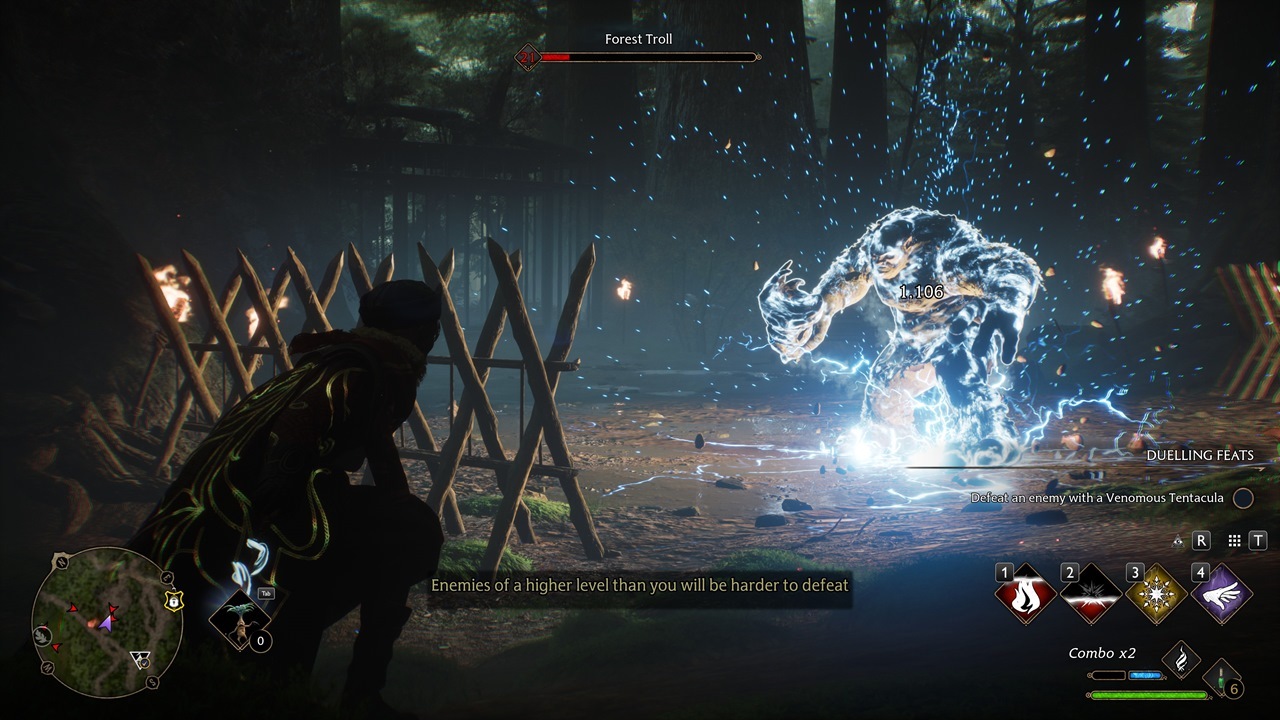

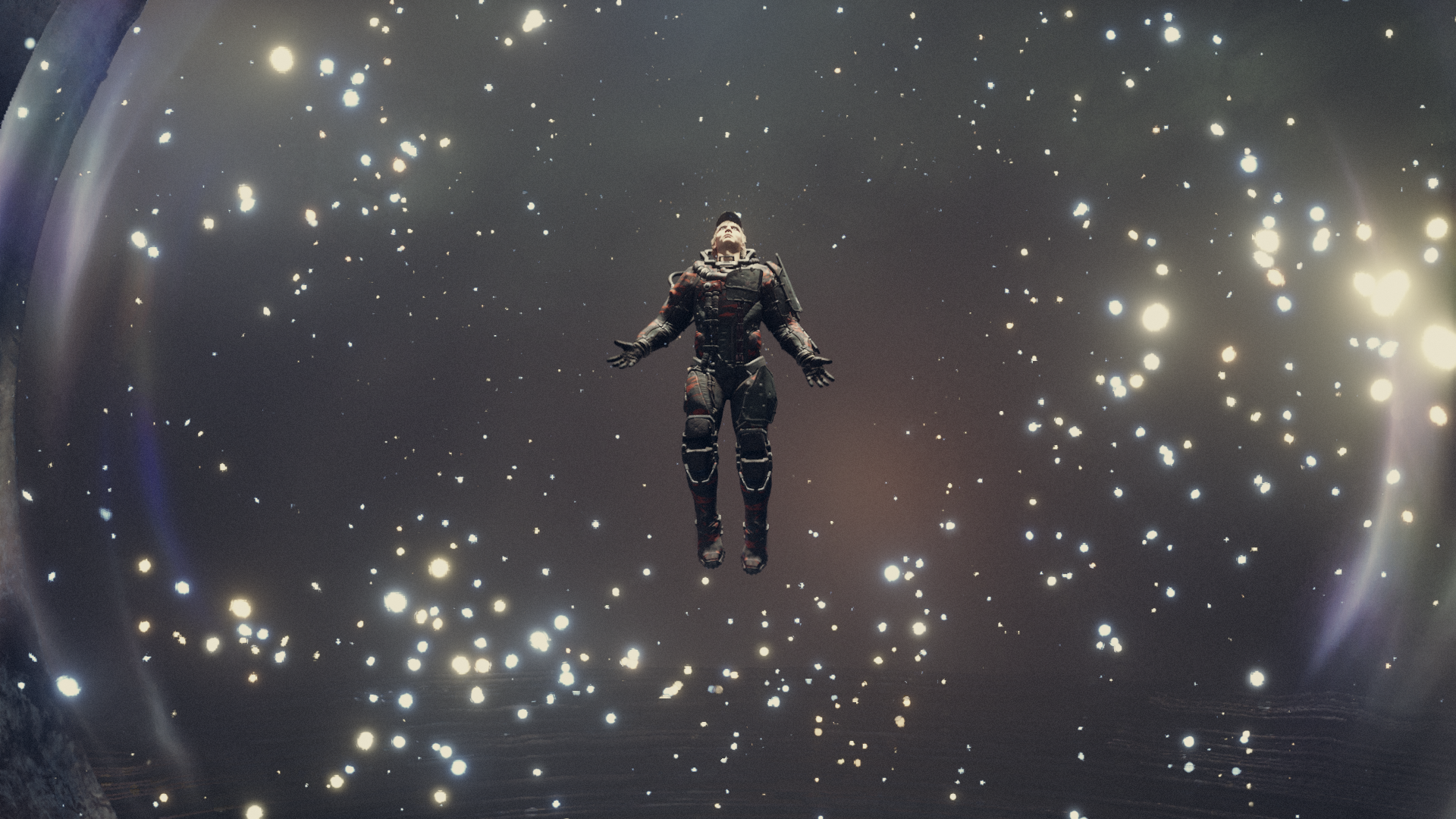
Without a fluid sim, point-based particle systems just look like fireworks. It was a cool effect in, like, the early 90s, but is is passe today.
The next step up from that is having each particle move independently with its own physics (some momentum, maybe a little wandering around from "wind", etc.) but then rendering them using little texture billboards. That's what games did up until relatively recently and looks pretty good for explosions, smoke, etc.
But now machines are powerful enough and physics algorithms clever enough to actually do fluid simulation in real-time where the particles all interact with each other. I think that's what you're seeing now.