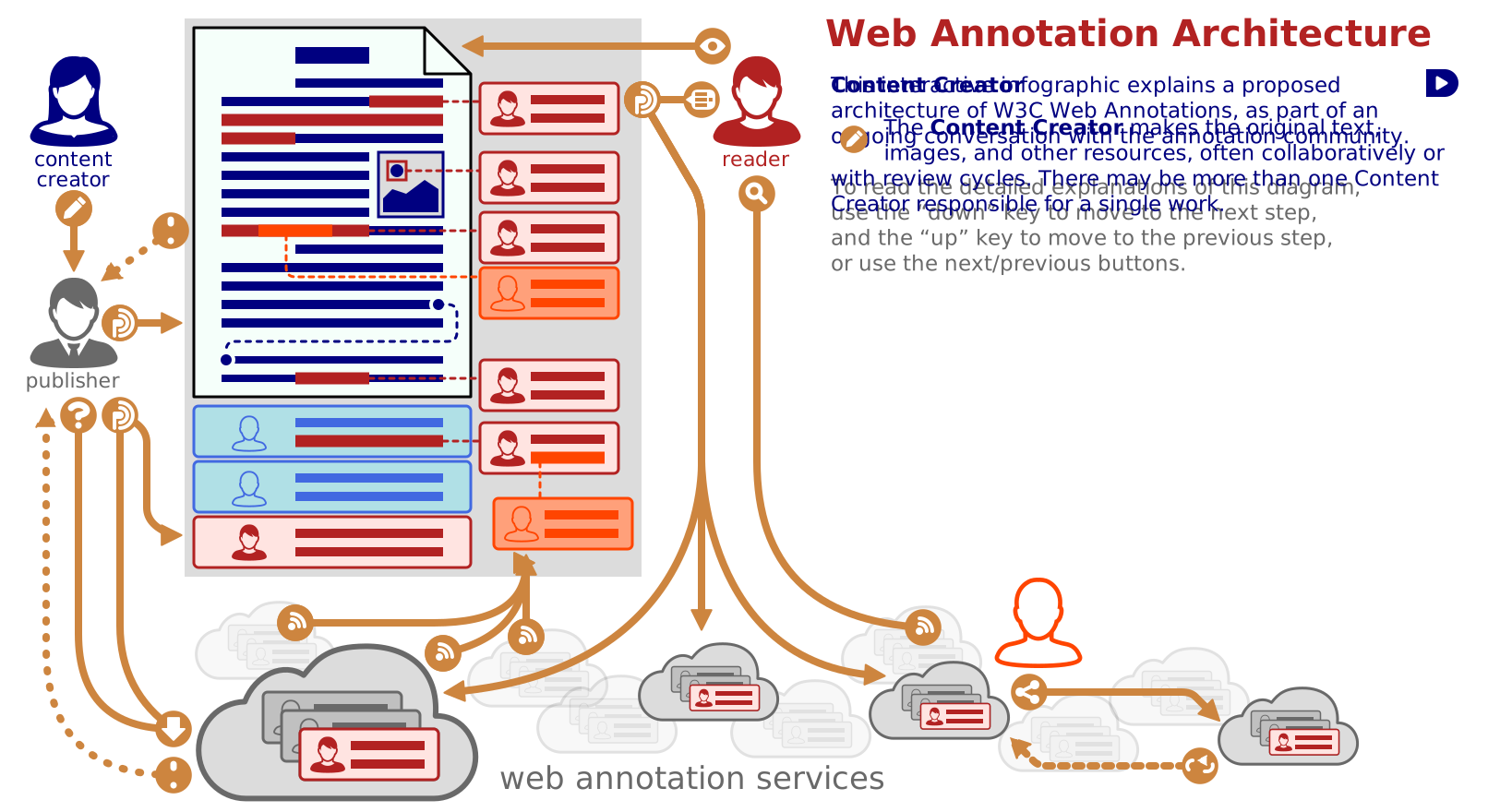
| That is super interesting, but looking at the diagram[1] my first gripe is with the nature of their decentralization. It's not a bad idea, it's a good first step, but they're proposing that any group or private person can host an annotation service. This will cause first of all competition, because which service has the most annotations? Using my annotation service hosted on my minecraft server might be useless because it only has my own annotations. So obviously users will want to use a larger service, and here comes all the standard issues of a user-driven internet, trust, donations, groups forming and such. Also you might end up in a bubble, seeing annotations only from one particular side of the political spectrum. Of course this model does not have the same issues as the fediverse where annotation services can de-federate from each other, the user is free to pick and choose whichever they want. There might even be a helpful counter in the UI that shows how many annotations a particular service has for this website. The only real solution to all this is some sort of global database, like IPFS perhaps, where we can store the annotations. And then we can all individually host gateway servers to this database that the end user connects through. But that has its own problems of course, you can't just magically make a distributed database without heavy bandwidth consumption and its own hosting requirements. 1. https://www.w3.org/annotation/diagrams/annotation-architectu... |